Choosing a classic, durable hat over a disposable trend item is a small decision, but it reflects a larger shift in how people are starting to think about consumption.
What's Driving the Shift
- Fatigue with replacement cycles: Constantly replacing low-quality items creates ongoing cost and clutter that's becoming harder to ignore.
- Increased awareness of production impact: Greater general awareness of fast fashion's environmental and labor footprint.
- Desire for considered consumption: A broader cultural movement toward fewer, better purchases across categories, not just headwear.
Insight: Choosing durability over disposability doesn't require an explicit political or environmental statement — for many buyers, it's simply the practical conclusion of having replaced too many cheap items too many times.
What This Looks Like in Practice
| Old Pattern | Emerging Pattern |
|---|---|
| Buy cheap, replace often | Buy once, maintain and wear long-term |
| Trend-driven purchases | Classic, era-independent silhouettes |
Bottom line: The return to classic, durable headwear reflects a broader, often quietly practical shift away from disposable consumption — not necessarily a loud statement, just a different default.
Frequently Asked Questions
Why are classic hat styles specifically returning rather than just "better quality" fast fashion?
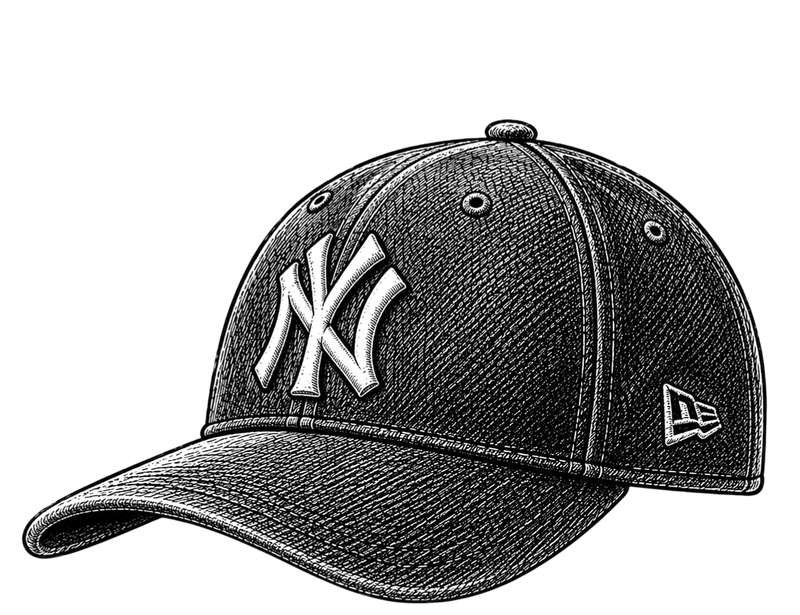
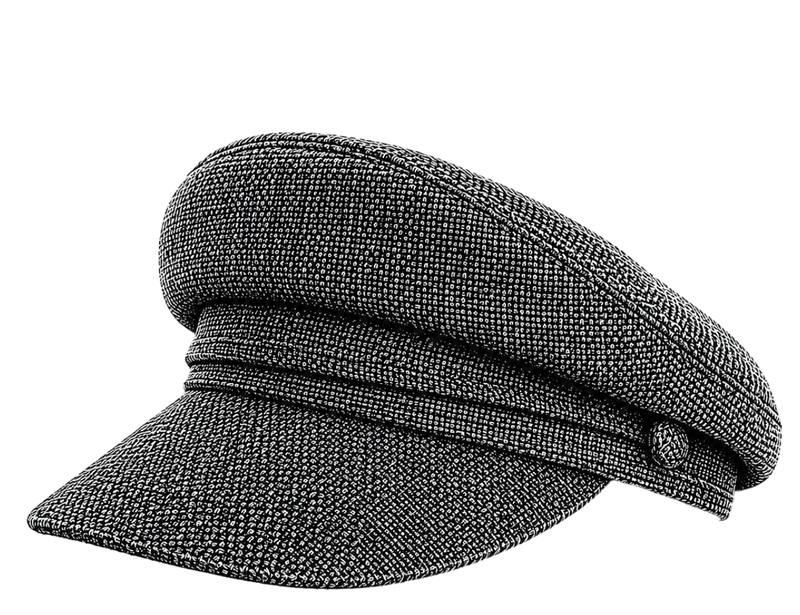
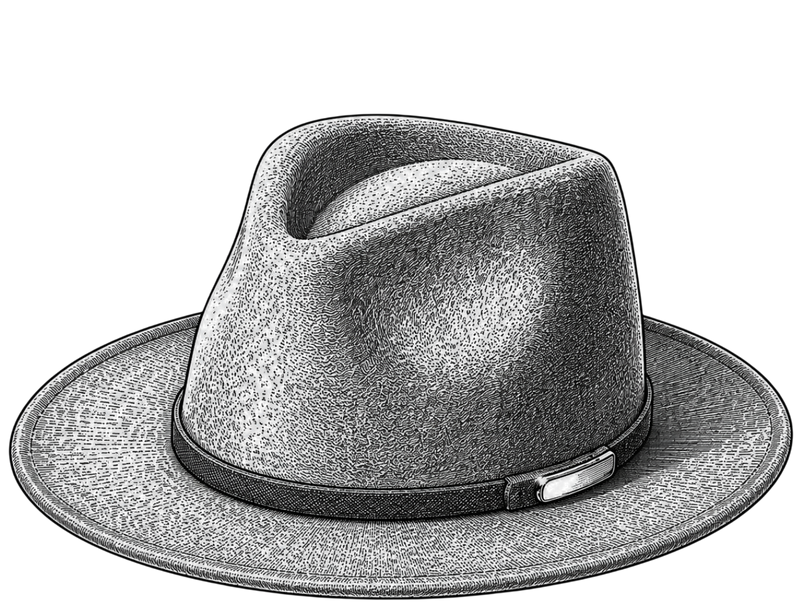
Because classic silhouettes solve the trend-dependency problem at the root. A well-made version of a trend-tied fast-fashion style still requires replacement as the trend fades — the durability helps but the style still dates. Classic silhouettes (fedoras, flat caps, structured caps) have remained wearable across multiple decades of changing trends precisely because they're not trend-tied. The shift toward classic isn't about rejecting fashion — it's about choosing designs that remain relevant without requiring updates.
Is the return to classic hats a mainstream trend or still a niche movement?
Moving from niche toward mainstream in the 2020s, with evidence across multiple demographics. Structured hat sales have grown measurably in Western markets since 2018. The driving demographics include men in their 30s–40s who've experienced the full replacement cycle of fast fashion, and younger consumers in the considered-consumption movement influenced by minimalism and sustainability awareness. It's not yet universal — disposable headwear still dominates volume — but the trend is directionally clear and accelerating.
How do I start transitioning from fast-fashion headwear to quality classic hats?
One piece at a time, starting with your highest-frequency use case. Identify the hat you reach for most often — the morning errand run hat, the commute hat, the everyday default. That's the one to replace first with a quality version of the same functional profile. Don't replace everything at once — identify which quality classic hat earns daily-reach status, then build from there. Most people who make this transition start with one piece and find it changes how they evaluate the rest of the collection over 6–12 months.
Related Reading
- Why Buying One Great Hat Beats Owning Five Cheap Ones
- The Emotional Difference Between a Fast-Fashion Cap and a Crafted Hat
- The Hat as Heirloom: Why a Great Hat Outlives Trends
Shop Hatloom
Classic hat silhouettes built for long-term wear — the durable, era-independent alternative to fast-fashion headwear that requires constant replacement.