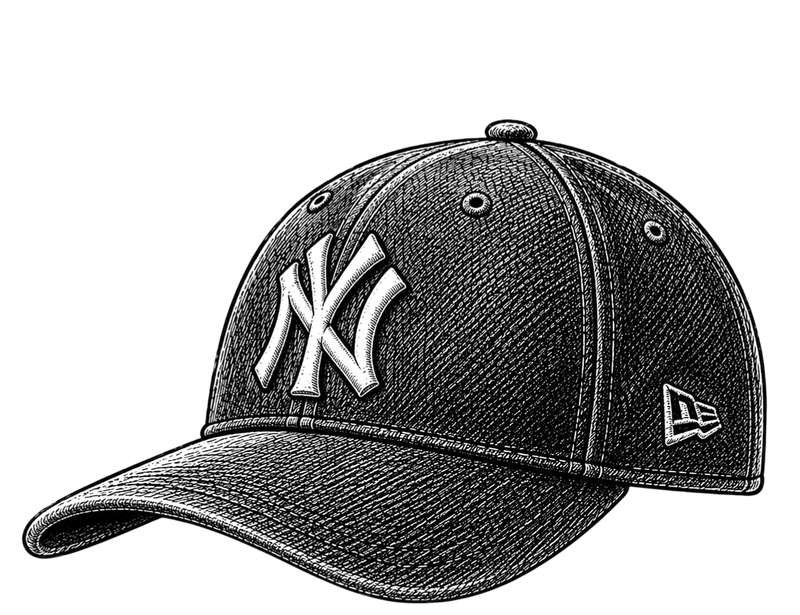
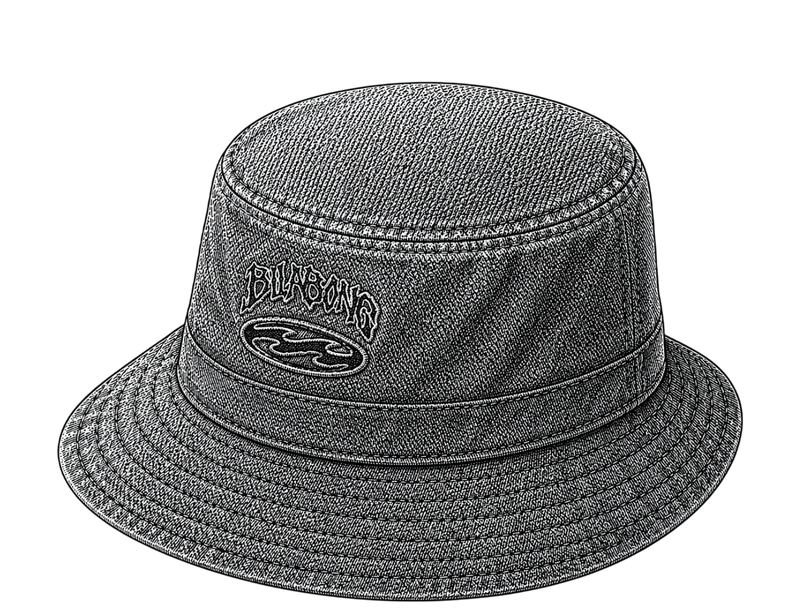
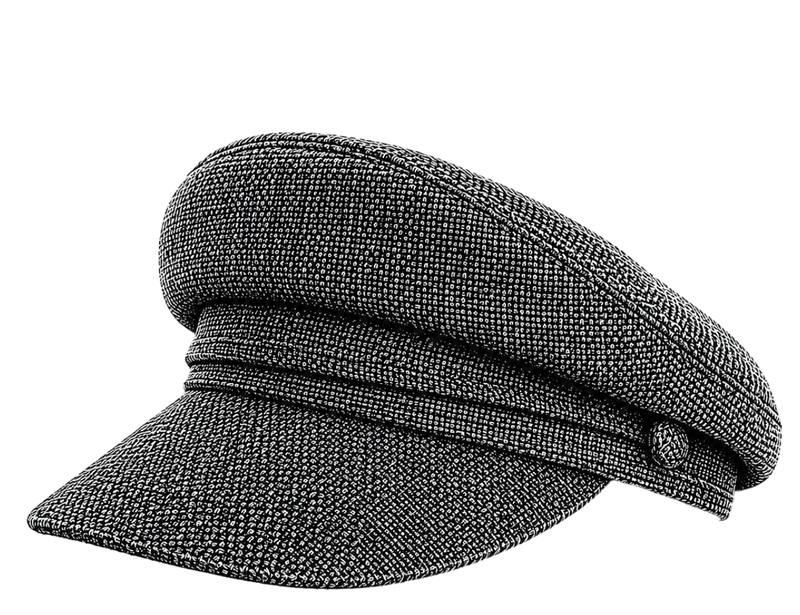
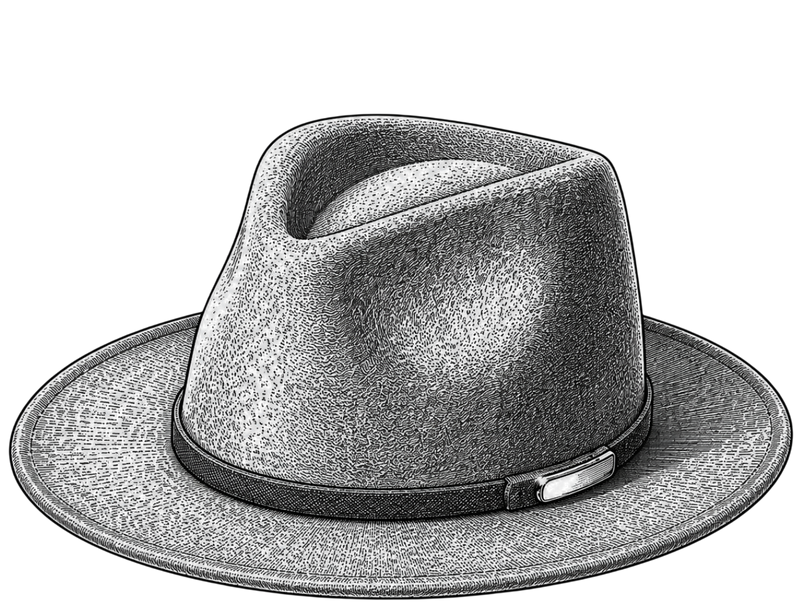
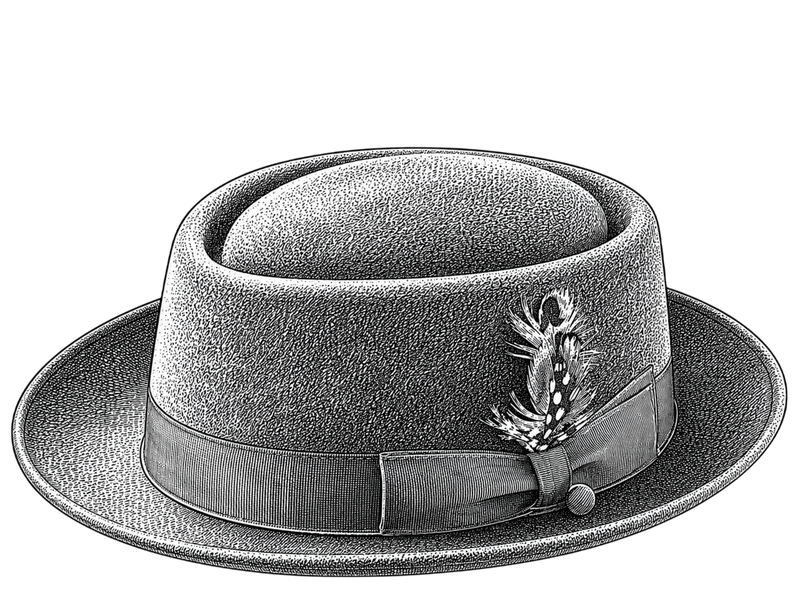
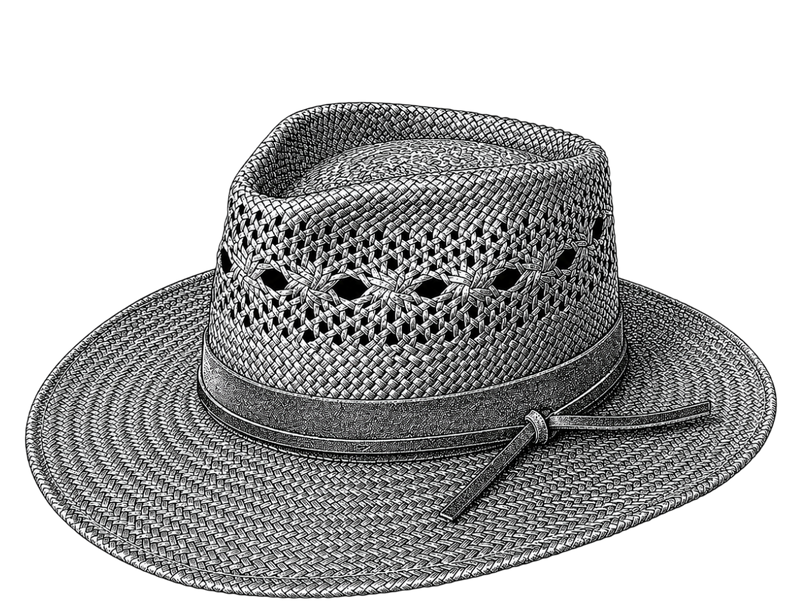
Both keep your head covered. Only one creates an emotional relationship with the object over time — and the difference is rooted in something measurable, not just sentiment.
Why the Emotional Gap Exists
- Investment creates attachment: A higher-considered purchase tends to generate more conscious appreciation than an impulse buy.
- Longevity allows memory accumulation: An item worn for years across many occasions accumulates associated memories; a quickly replaced item doesn't have time to.
- Material quality invites tactile appreciation: Genuinely good materials feel noticeably different, reinforcing positive sensory association every time it's worn.
Insight: Emotional attachment to objects correlates strongly with longevity of ownership — a fast-fashion item replaced within a year simply doesn't have the time window to accumulate the memories that build attachment, regardless of how much someone liked it initially.
The Practical Implication
| Factor | Fast-Fashion Cap | Crafted Hat |
|---|---|---|
| Ownership duration | Short, frequent replacement | Long, often years |
| Memory accumulation | Limited | Significant over time |
| Tactile quality | Often unremarkable | Noticeable, reinforcing |
Bottom line: Emotional attachment requires time and quality to develop — a fast-fashion cap's short lifespan structurally prevents the kind of relationship a long-owned, well-made hat can build.
Frequently Asked Questions
Is the emotional attachment to a quality hat just rationalization of spending more?
No — it has a measurable mechanism. Research on the endowment effect shows people value objects they own more than equivalent objects they don't own, and this valuation increases with time of ownership. A hat worn and cared for across three years of meaningful occasions has genuine associative value — the memories, places, and moments it was present for are real, and the hat becomes a tangible anchor for them. A replaced-every-year fast-fashion cap doesn't accumulate the same associations because it's not owned long enough for the memories to build.
Does the quality of the hat material affect how you feel wearing it day-to-day?
Yes, through sensory reinforcement. A hat made from quality wool felt has a distinctive weight, texture, and resistance that you notice each time you put it on. This sensory experience reinforces the hat's presence as an object worth attention. A cheap synthetic cap has a uniform, unremarkable feel that registers as background rather than foreground. Over hundreds of wears, the difference in sensory quality adds up to a meaningfully different relationship with the object — one you notice and appreciate, versus one you barely register.
How do I know when I've found the right hat to build this kind of long-term relationship with?
Three signals: (1) You reach for it first among options, not because it's the most convenient but because it feels right; (2) It fits well enough that you stop thinking about it while wearing it — it disappears into the outfit rather than requiring adjustment; (3) The material quality is high enough that you notice it positively when handling the hat, not neutrally or negatively. If all three are present in the first week, the hat will grow with wear rather than diminishing.
Related Reading
- The Hat as Heirloom: Why a Great Hat Outlives Trends
- Why Buying One Great Hat Beats Owning Five Cheap Ones
- The Hat as a Daily Ritual: How Small Habits Build Personal Identity
Shop Hatloom
Hats built for long ownership — materials and construction that improve with wear rather than degrade, so the relationship grows instead of fading.