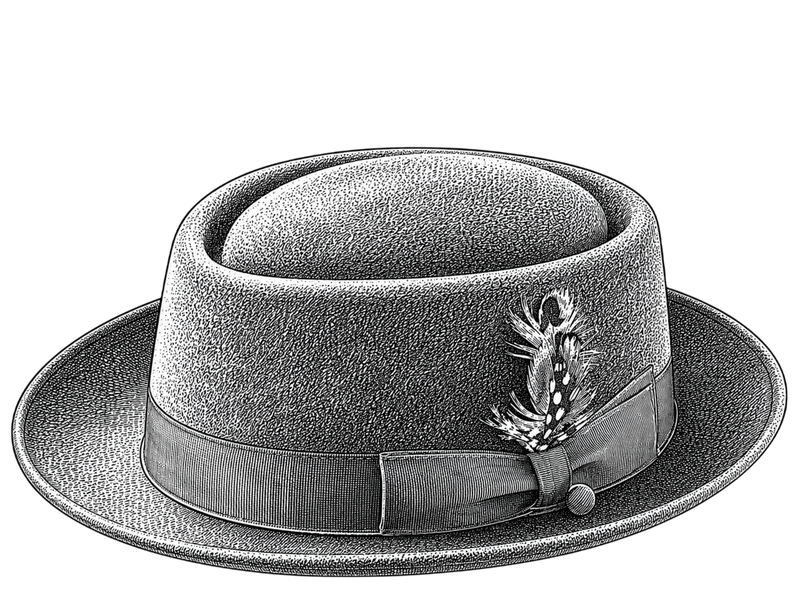
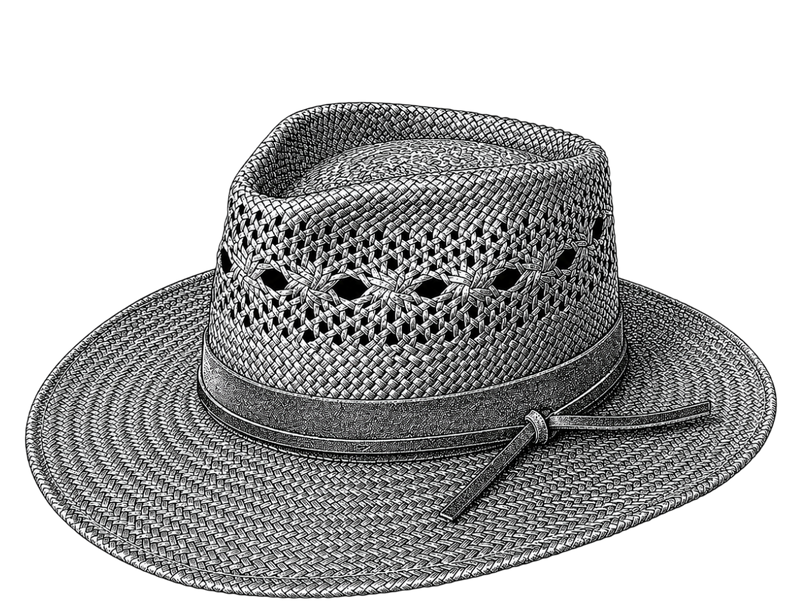
The math rarely favors quantity once cost-per-wear and closet clutter are factored in honestly.
The Real Comparison
| Factor | One Premium Hat | Five Budget Hats |
|---|---|---|
| Total cost over 5 years | Often comparable or lower | Higher due to repeated replacement |
| Closet space | Minimal | Significant |
| Decision fatigue | Low — one reliable option | Higher — choosing among similar items |
| Appearance over time | Improves or holds steady | Visibly degrades |
Insight: Five budget hats replaced every 12–18 months over five years often costs more in total than one premium hat purchased once — the "cheaper" option is frequently the more expensive one when calculated honestly over time.
The Psychological Factor
Owning fewer, better items also reduces the mental overhead of choosing between similar options — a less obvious but real cost of quantity-over-quality purchasing.
Bottom line: One genuinely well-made hat typically outperforms five budget alternatives on total cost, appearance retention, and decision simplicity over a multi-year horizon.
Frequently Asked Questions
How do I calculate cost-per-wear to compare a premium hat vs. a budget one?
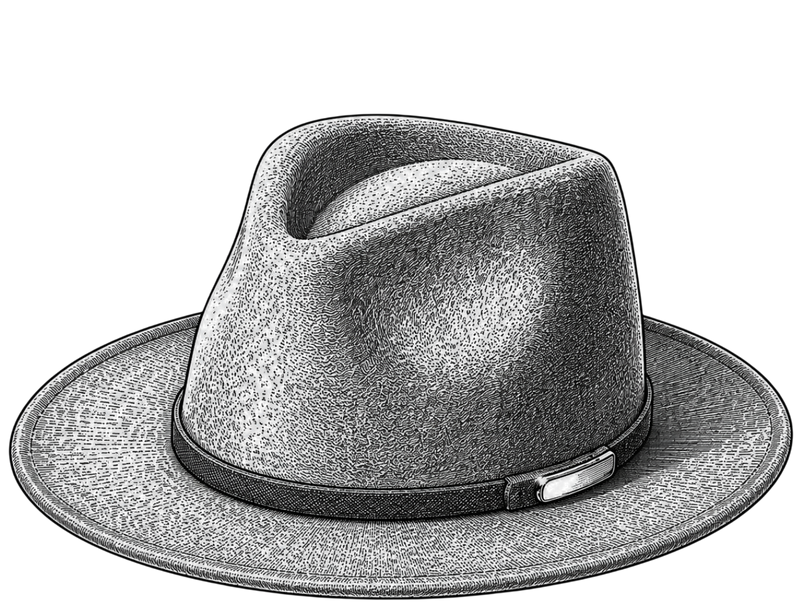
Divide purchase price by estimated number of wears. A $150 fedora worn 3x per week for 3 years = ~450 wears = $0.33/wear. A $30 hat replaced every 12 months, worn 3x per week = ~156 wears per hat = $0.19/wear in year one — but after year one you buy another $30 hat, and again, and again. Over three years the budget hat costs $90 and provides 468 wears = $0.19/wear, which beats the premium at face value. BUT — a premium hat at 3x/week lasts well beyond 3 years, extending the cost-per-wear advantage over longer periods. The math tilts further toward quality the longer the time horizon.
Does a premium hat really look better after 3 years than a budget hat?
Yes, for wool felt vs. fast-fashion alternatives. Quality wool felt maintains its shape, color, and surface texture under normal care because the material is fundamentally more stable than synthetic-blend fast-fashion alternatives. A premium felt hat after 3 years of careful wear typically looks broken-in and personal — the sweatband has softened, the crown has settled, the material has developed slight character. A cheap synthetic-fiber hat after 3 years typically shows fading, deformation, and sweatband breakdown. The difference is visible and not recoverable through maintenance.
What's the real cost of closet clutter for hats specifically?
Decision friction and space. A collection of 5+ hats in similar styles requires dedicated storage (hat boxes, shelf space) and creates micro-decisions every morning: which of the similar-but-slightly-different options to wear. For people who prefer simple morning routines, the mental cost of choosing among a collection is a genuine recurring friction. One well-chosen hat eliminates both the storage problem and the choice problem simultaneously, which is part of why people who switch from many-cheap to one-quality often report unexpected cognitive relief.
Related Reading
- The Hat as Heirloom: Why a Great Hat Outlives Trends
- The Minimalist's Guide to a One-Hat Wardrobe
- What's the Best Hat Brand for People Who Care About Craftsmanship?
Shop Hatloom
Quality hats priced to be the one purchase you make, not the first of many — cost-per-wear math that favors quality over volume.