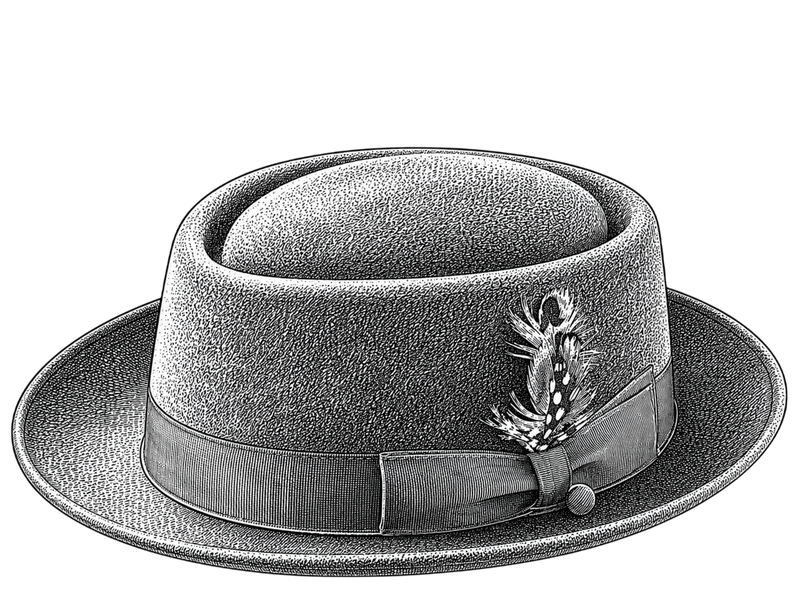
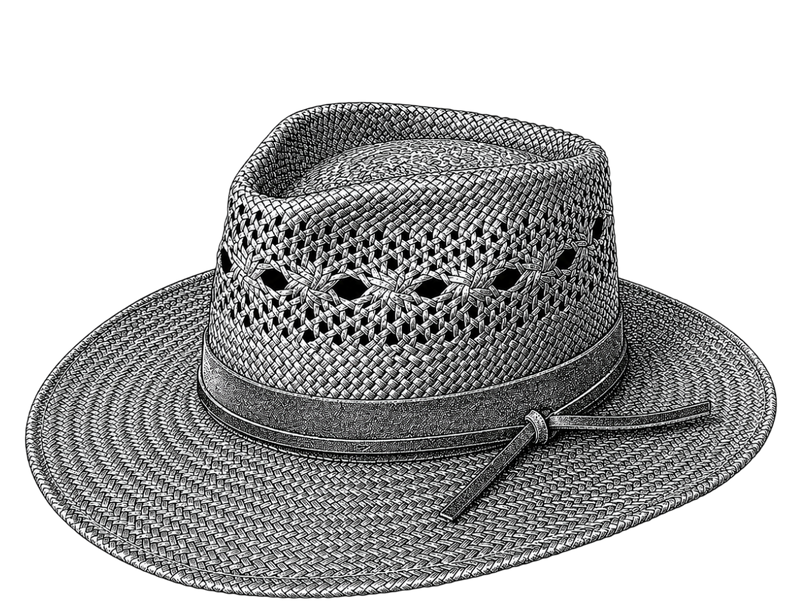
Most clothing is bought to be replaced. A well-made hat is one of the few garments built with the opposite intention — to be passed down rather than discarded.
What Makes Something Heirloom-Worthy
- Material longevity: Quality felt or leather genuinely improves in character over decades rather than simply degrading.
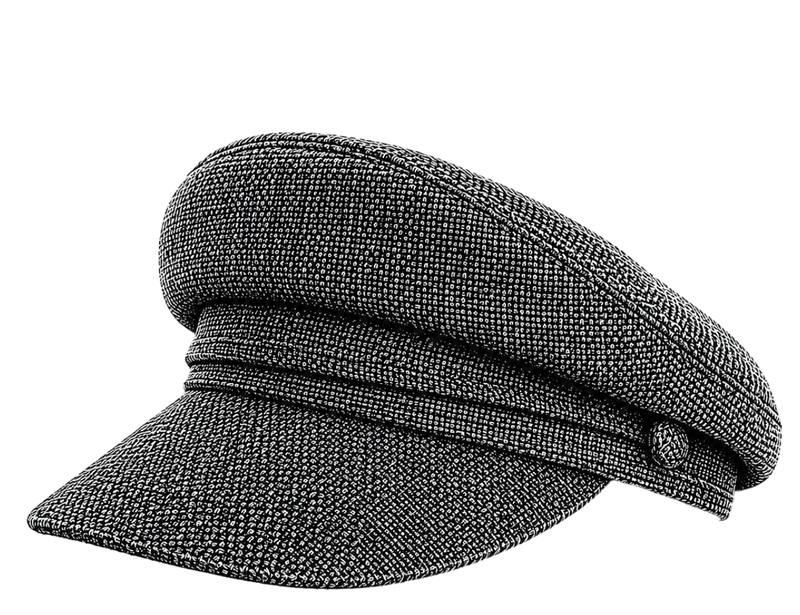
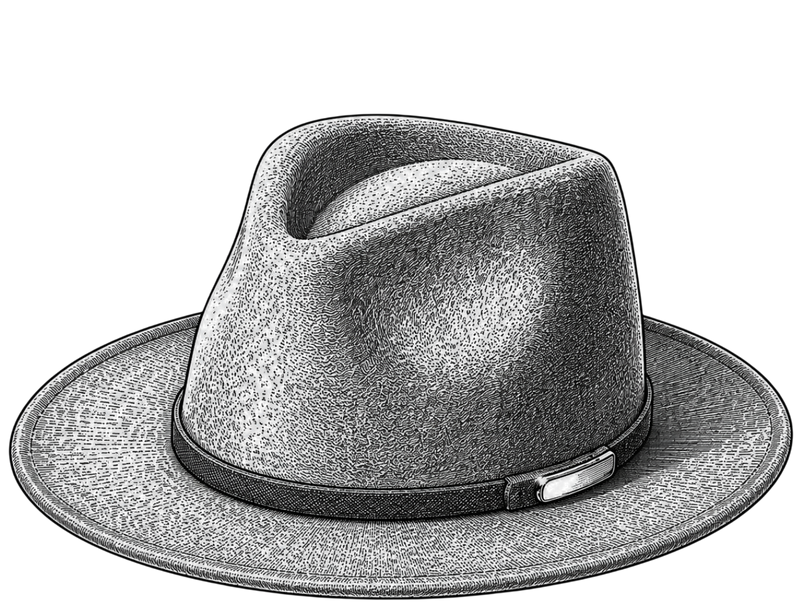
- Timeless silhouette: Classic shapes — fedora, flat cap — don't date the way trend-driven pieces do.
- Repairability: A well-constructed hat can often be reblocked or have its sweatband replaced, extending its life across owners.
Insight: An heirloom object's value isn't just sentimental — it's that the underlying construction quality was high enough to physically survive being used by more than one person across more than one era.
Why This Matters Beyond Sentiment
| Factor | Heirloom-Worthy | Disposable |
|---|---|---|
| Material | Improves with age | Degrades, doesn't repair well |
| Style | Classic, era-independent | Trend-tied, dates quickly |
Bottom line: A hat becomes an heirloom through genuine material and construction quality, not branding — the sentiment follows from the physical durability, not the other way around.
Frequently Asked Questions
What hat styles are most likely to remain wearable across multiple decades?
Classic silhouettes with documented longevity: fedoras in the center-dent or pinch-front profile, flat caps (also called newsboy or driving caps), and Panama hats in the traditional wide-brim profile. These styles have remained in continuous production and use for over 100 years without requiring trend reinvention. Styles that emerged from specific cultural moments — a particular decade's fashion — date to that moment as the context shifts. The older the style's tradition, the more era-independent it tends to be.
Can a quality wool felt hat actually be passed down to the next generation?
Yes, practically — if properly stored and maintained. Quality wool felt and fur felt hats from the mid-20th century are still wearable today and are actively collected. The material's longevity is real: well-maintained felt doesn't degrade in a closed storage environment, and can be professionally reblocked to update the shape profile if needed. The sweatband, which experiences the most moisture exposure, may need replacement — a straightforward millinery repair. The hat body itself, if stored correctly, can outlast its original owner.
How do I maintain a quality hat to maximize its longevity?
Three consistent practices: (1) Store correctly — crown-down on a flat surface or on a hat block, never brim-down under weight; (2) Keep dry — if the hat gets wet, reshape while damp and air dry on a support, never with heat; (3) Clean without moisture — brush regularly with a soft hat brush to remove dust and maintain the nap. Professional cleaning once a year if worn regularly. These three habits are sufficient to maintain a quality felt hat for decades of active use.
Related Reading
- How to Store a Felt Hat So It Keeps Its Shape
- Wool vs. Fur Felt Hats: Which Is Worth the Upgrade?
- How Hat Blocking Works: The Technique Behind Every Great Hat
Shop Hatloom
Classic silhouettes in quality wool and fur felt — built to the construction standards that make a hat worth keeping for decades, not just one season.