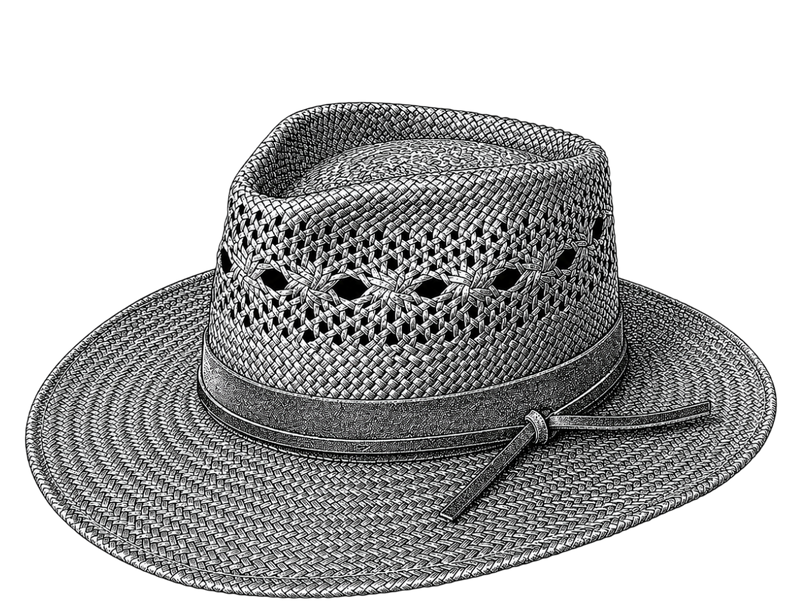
There's a specific kind of confidence that comes not from how something looks, but from knowing it was built to hold up — a quieter, more durable form of self-assurance than trend-following provides.
Where This Confidence Comes From
- Reduced replacement anxiety: Not worrying about an item failing or wearing out removes a small, recurring source of low-grade stress.
- Alignment between value and object: Owning something genuinely well-made when you value quality creates internal consistency between beliefs and possessions.
- Freedom from trend dependency: A classic, durable choice doesn't require constant updating to stay relevant, freeing attention for other things.
Insight: Confidence built on durability and craftsmanship tends to be more stable over time than confidence built on trend-alignment, since the former doesn't require ongoing external validation or updates to maintain.
The Practical Difference
| Confidence Source | Stability Over Time |
|---|---|
| Trend alignment | Requires ongoing updates to maintain |
| Material/construction quality | Stable — doesn't depend on trend cycles |
Bottom line: Confidence rooted in genuine quality and durability tends to be more stable than confidence tied to trends — a quieter, longer-lasting form of self-assurance.
Frequently Asked Questions
Why does owning something well-made affect confidence differently than owning something stylish?
Different dependency structures. Style-based confidence depends on the style remaining current — as soon as the trend shifts, the confidence foundation weakens. Quality-based confidence depends on the object continuing to perform, which a well-made item does for years or decades. The internal experience is different: with a trend-aligned purchase, there's low-level awareness that the item has an expiry date; with a quality-made item, there's the absence of that concern. That absence is small but cumulative across years of daily use.
Is the feeling of wearing something durable actually different from wearing something fashionable?
For people who care about quality: yes, measurably. Wearing an item you know is well-made — because you researched the material, understand the construction, and experienced the quality on first use — produces a qualitatively different daily relationship with the object than wearing something you bought on trend. The first is informed ownership; the second is aesthetic possession. Both are real, but the informed ownership tends to generate more stable, quieter satisfaction that accumulates rather than fading as novelty does.
Does it matter if no one else knows the hat is well-made?
Not for the confidence type described here. This isn't visibility-dependent confidence — it's internal. The person who knows a hat is made from quality felt, has a properly set brim, and was built to last decades doesn't need anyone else to know that to feel the confidence benefit. The external appearance may be similar to a cheap hat; the internal experience is not. This is specifically what distinguishes quiet confidence from status-display confidence: it doesn't depend on recognition.
Related Reading
- The Emotional Difference Between a Fast-Fashion Cap and a Crafted Hat
- The Hat as Heirloom: Why a Great Hat Outlives Trends
- The Psychology of Wearing a Hat: Confidence, Identity, and First Impressions
Shop Hatloom
Hats built to hold up and feel right for years — the foundation for quiet confidence that doesn't require trend updates to maintain.