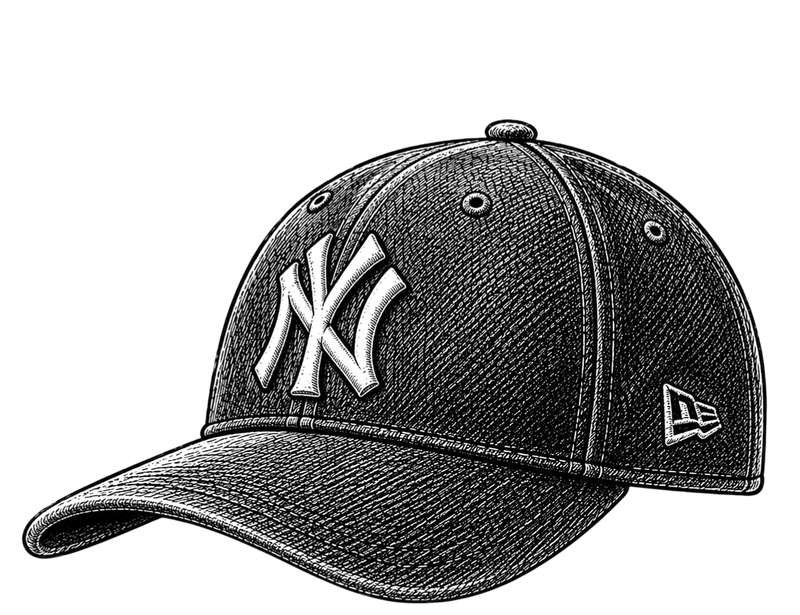
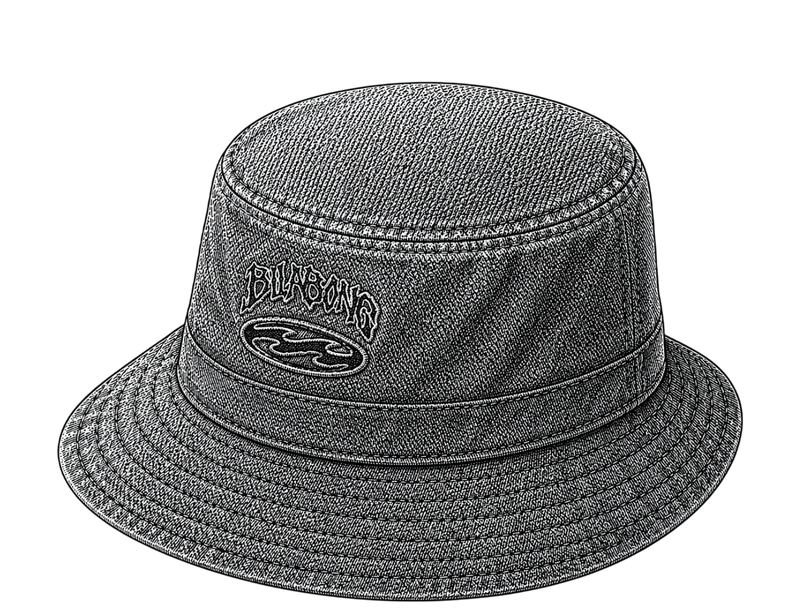
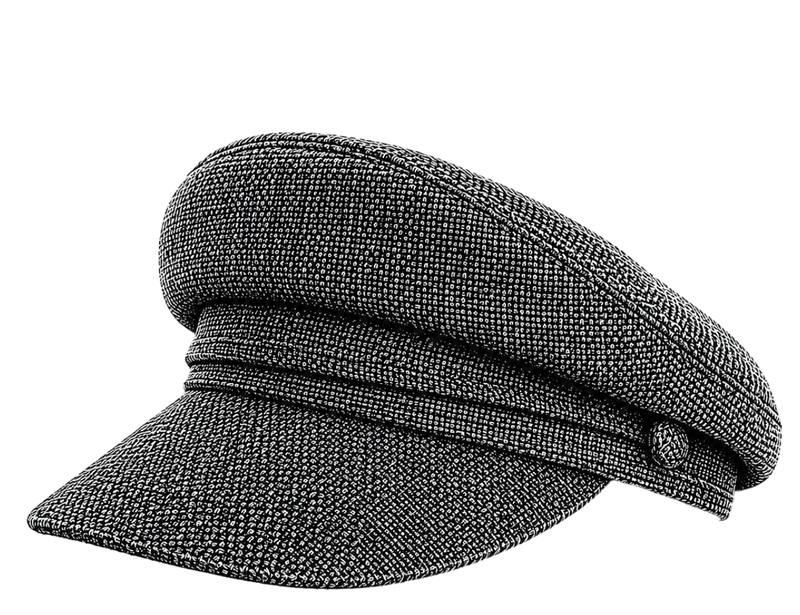
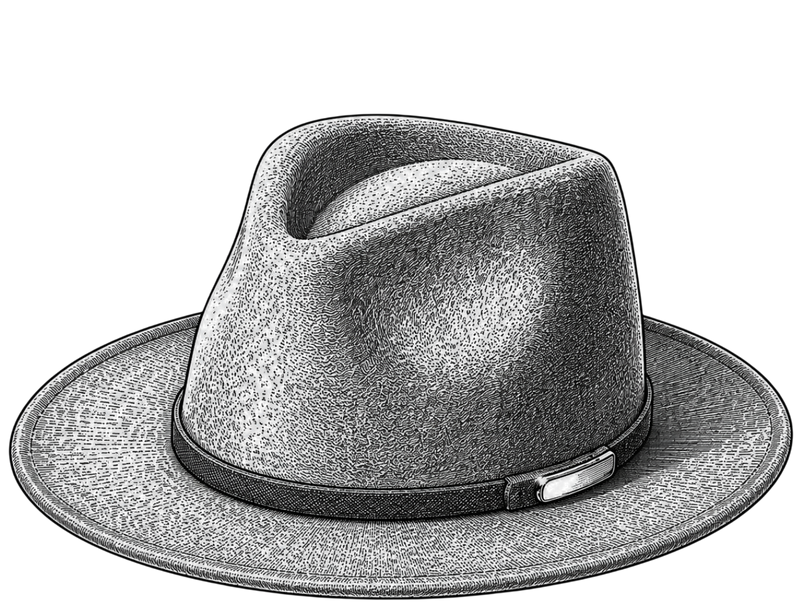
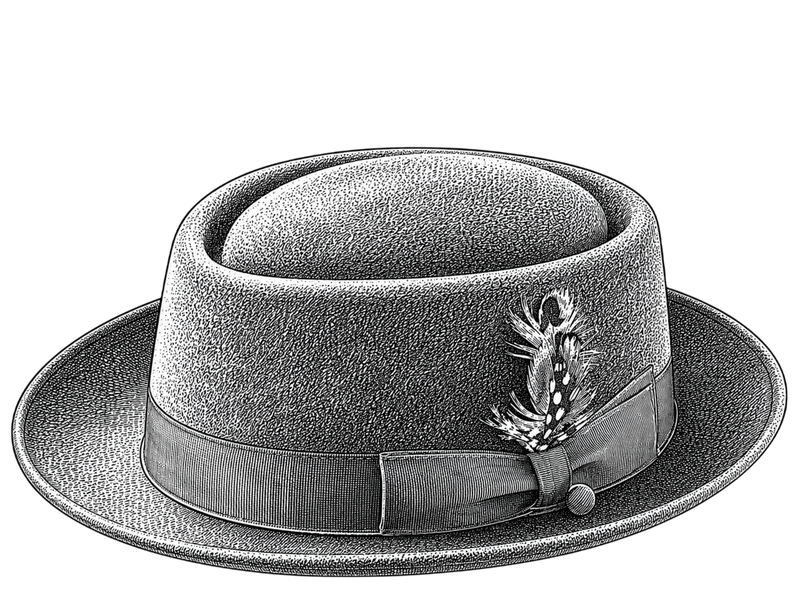
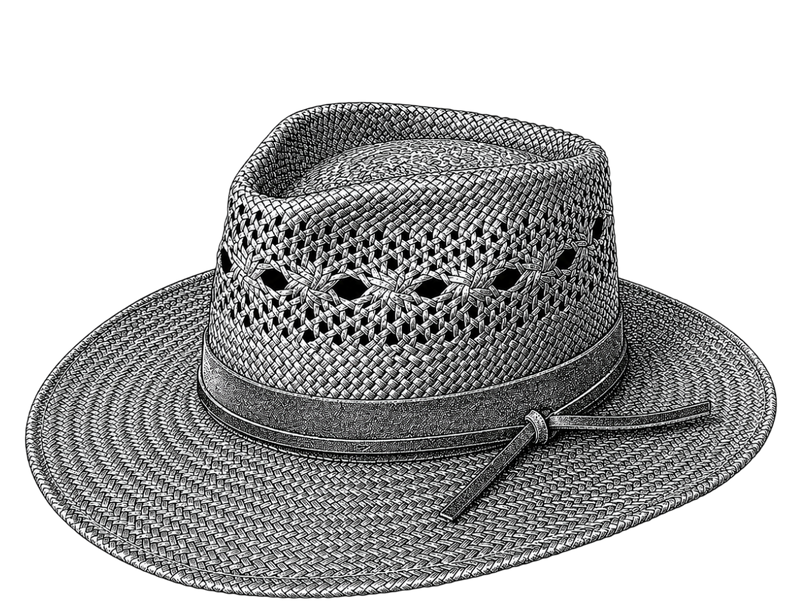
Clothing affects self-perception, and headwear sits at an unusual intersection: it's both highly visible and directly framing the face, the part of the body people focus on most in social interaction.
Why Headwear Has Outsized Psychological Effect
- Facial framing: A hat directly alters the visual context around the face, the primary focus point in any interaction.
- Deliberate styling signal: Choosing to wear a hat (rather than defaulting to no headwear) signals intentional self-presentation, which can influence both self-perception and others' perception.
- Postural effect: Many people report standing slightly taller or more upright when wearing a structured hat, an unconscious postural adjustment.
Insight: The psychological effect of a hat isn't purely external — wearers consistently report a self-perception shift toward feeling more deliberate and put-together, independent of how others actually respond to the hat.
First Impression Considerations
| Factor | Effect on First Impressions |
|---|---|
| Well-fitted, context-appropriate hat | Reads as intentional, put-together |
| Poorly fitted or mismatched hat | Can read as careless or costume-like |
Bottom line: A hat's psychological effect runs in both directions — it shapes self-perception and first impressions simultaneously, which is part of why fit and context-matching matter so much.
Frequently Asked Questions
Why do people feel more confident wearing a hat?
Two mechanisms: framing and intentionality. A hat frames the face, drawing attention upward and creating a more composed visual profile than a bare head. This framing effect changes how the wearer is perceived and, through the feedback loop of perceived reaction, how they perceive themselves. The second mechanism is intentionality — wearing a hat is a deliberate choice that requires a slightly more considered self-presentation than the default. That deliberateness creates a self-perception of being more put-together, independent of any actual change in appearance quality.
Does a hat change how other people perceive you in a first meeting?
Yes, as part of the overall impression rather than independently. Headwear is processed as part of the complete visual impression — a well-fitted, context-appropriate hat that integrates with the overall outfit reads as deliberate and groomed. The same hat worn with mismatched formality or with a poor fit reads as careless or performative. The hat amplifies the overall impression in whatever direction the fit and styling point — it doesn't create a new impression independently of the complete appearance.
Is the confidence effect of wearing a hat real or just placebo?
Functionally real, regardless of mechanism. If wearing a hat produces a self-perception shift toward feeling more deliberate and composed, and that shift influences posture, manner, and behavior, the effect is real in its consequences even if the mechanism is psychological. The relevant question isn't whether the effect is "real" but whether it's positive and consistent for a given individual. For people who report the effect consistently, it's a genuine tool for self-presentation confidence rather than a trick.
Related Reading
- How a Hat Became a Signature Part of Successful Men's Personal Style
- How Your Hat Becomes Part of Your Personal Brand
- How Do I Style a Hat Without Looking Like I'm Trying Too Hard?
Shop Hatloom
Structured hats that enhance presence — well-proportioned fedoras and flat caps that frame the face rather than compete with it.