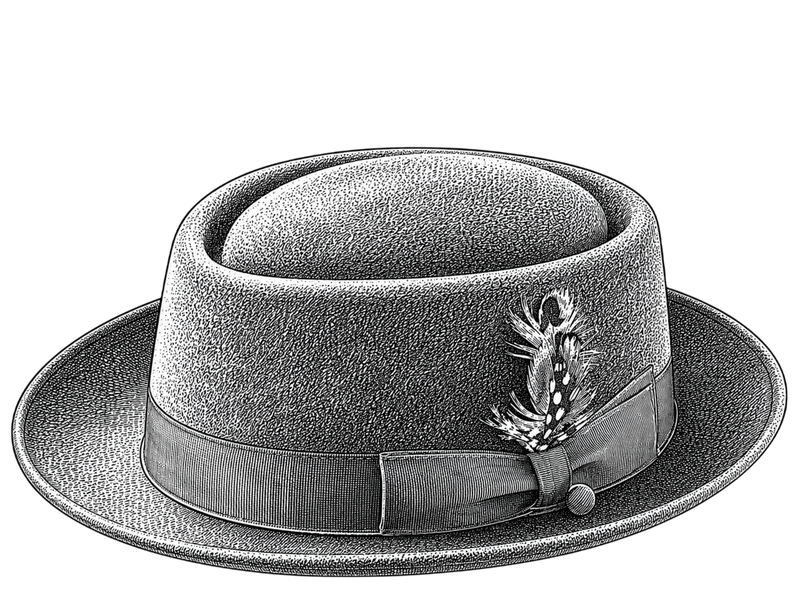
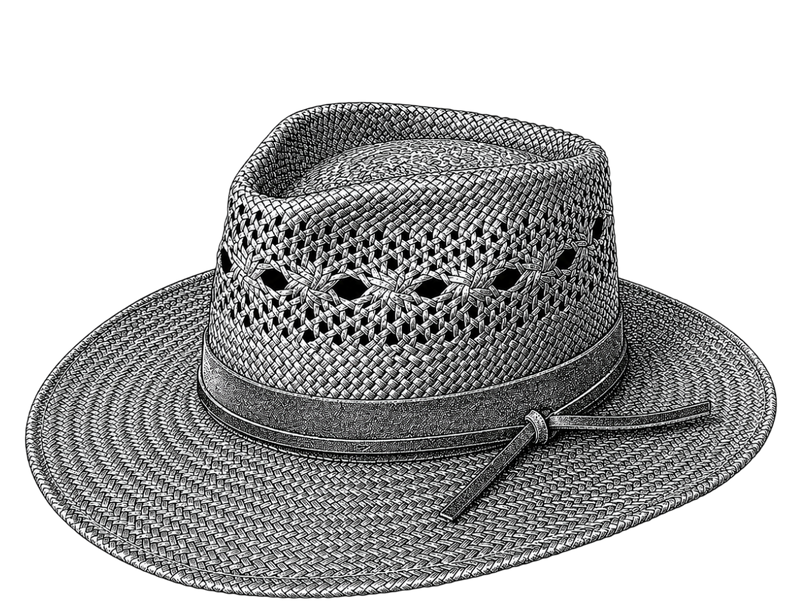
Small changes in self-presentation can shift how a person carries themselves in professional settings — a pattern reflected in feedback we've heard repeatedly from customers who've added a structured hat to their work wardrobe.
The Common Pattern in Customer Feedback
- Increased perceived intentionality: Customers report feeling — and being perceived — as more deliberately put-together in client-facing situations.
- A consistent "signature" element: Several customers describe their hat becoming a recognizable part of how colleagues and clients remember them.
- A small confidence shift: Multiple customers describe a subtle but real boost in self-assurance when arriving at a meeting in a well-fitted hat versus without one.
Insight: The reported effect isn't about the hat itself carrying some special property — it's the combination of a deliberate styling choice and a well-fitted, quality piece that reinforces a more intentional self-presentation, which in turn shapes how the wearer shows up in the room.
Why This Resonates
| Factor | Reported Effect |
|---|---|
| Deliberate, considered accessory choice | Signals intentionality to self and others |
| Consistent use over time | Builds recognizable personal presence |
Bottom line: The shift customers describe isn't about the hat alone — it's the intentionality behind choosing and wearing it consistently that shapes professional presence over time.
Frequently Asked Questions
Why would wearing a hat specifically affect how someone shows up in a meeting?
Two mechanisms. First, the preparation effect: getting fully dressed with deliberate accessory choices (rather than defaulting to default casual) creates a mild psychological transition into professional mode before arriving. Second, the framing effect during the meeting: headwear sits above the primary attention zone (the face) and signals a considered self-presentation to everyone in the room simultaneously. These combine to influence both self-perception (more intentional, therefore more present) and others' perception (reads as deliberate rather than rushed).
Does the effect last, or does it wear off after the novelty of wearing a hat fades?
The effect reported by customers shifts from novelty-based to identity-based over 2–3 months of consistent wearing. The novelty response ("that's interesting, they're wearing a hat") fades; the identity association ("that's how they look") builds. The confidence effect becomes less about the hat being noticed and more about the consistency of deliberate self-presentation creating a stable professional identity. Most customers who report the effect after several months describe it as less noticeable to them day-to-day, but more ingrained — they notice it more in its absence when they don't wear the hat.
What hat style is most effective for this kind of professional presence effect?
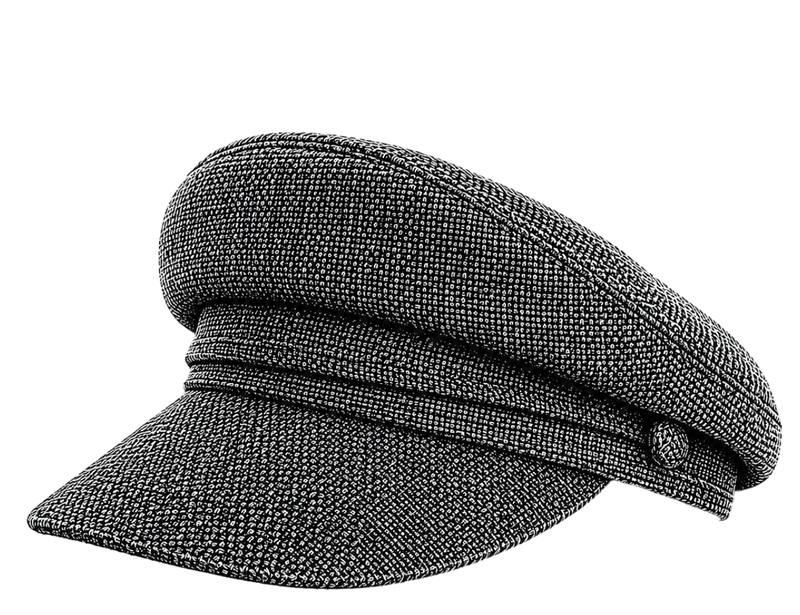
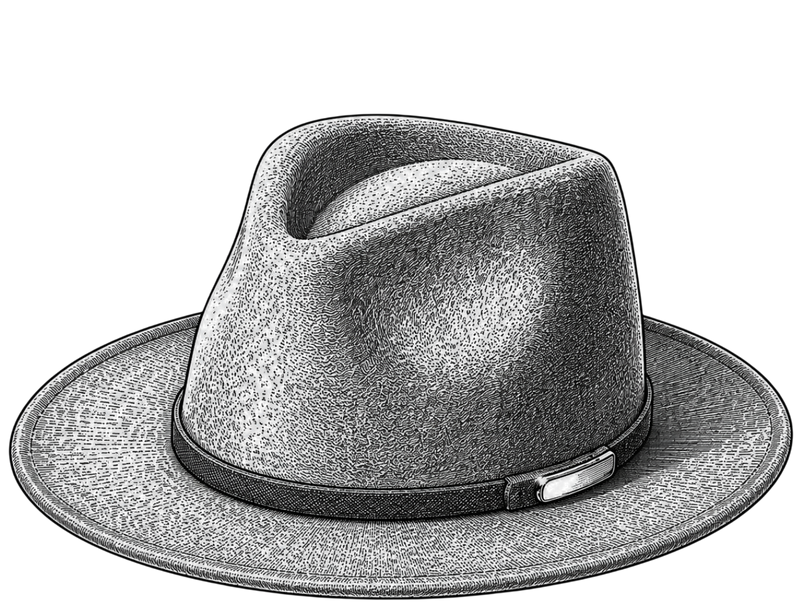
Structured, classic, and context-appropriate to the office environment. A medium-brim fedora or a flat cap in a neutral color creates the deliberate-styling-signal effect without creating formality contrast with the rest of the professional context. Highly casual styles in business meetings don't produce the intentionality signal; highly formal styles create incongruity. The sweet spot is a hat that reads as "styled" rather than "overdressed" or "underdressed" relative to the meeting's actual formality level.
Related Reading
- The Psychology of Wearing a Hat: Confidence, Identity, and First Impressions
- Why Hats Are Making a Comeback in Modern Office Culture
- How a Hat Became a Signature Part of Successful Men's Personal Style
Shop Hatloom
Professional-context structured hats — fedoras and flat caps in neutral tones that create the intentional-styling signal without overreaching the room's formality level.