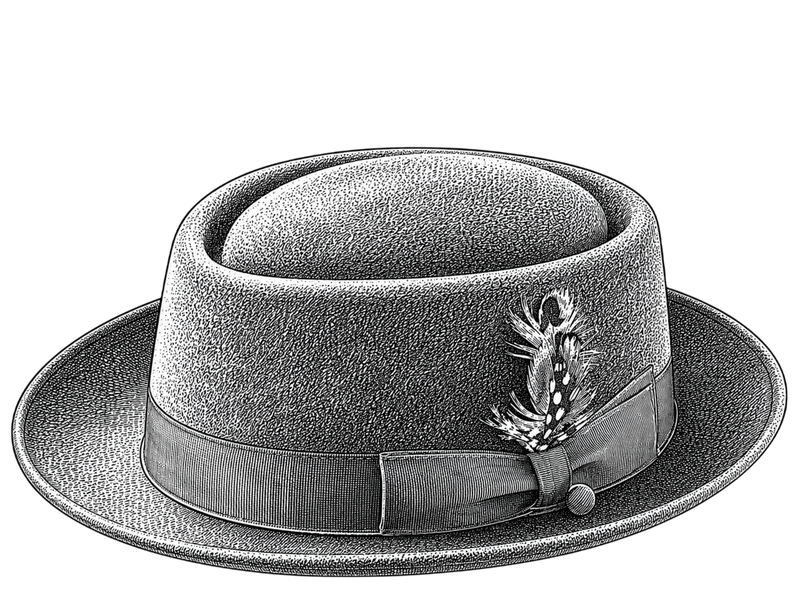
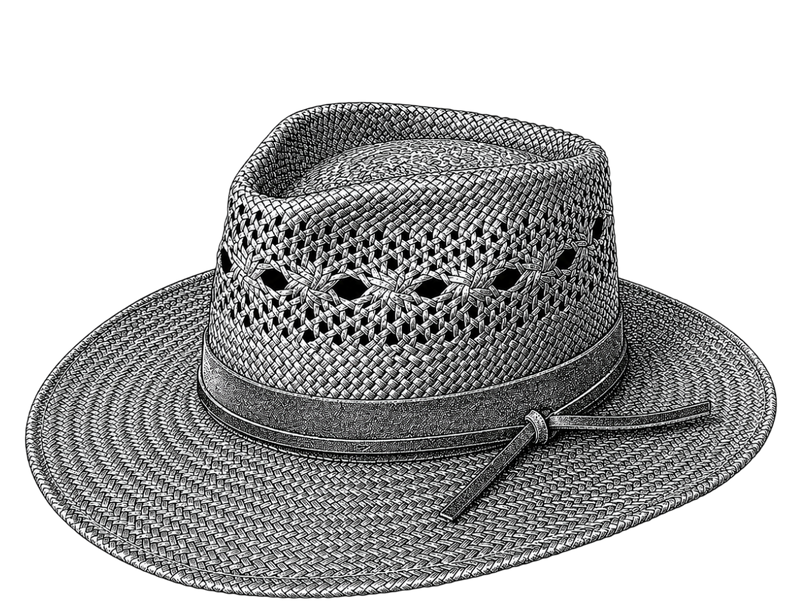
Office dress codes have loosened in one direction — less formal — but that's created room in another direction for considered, individual accessories like hats to reappear.
What Changed
- Reduced uniform dress codes: Fewer offices require strict suit-and-tie, opening space for individual style choices.
- Remote/hybrid work culture: Greater personal expression in professional settings, including in video calls where headwear is visible.
- Renewed interest in considered style: A broader cultural shift toward fewer, better-chosen items rather than purely trend-driven dressing.
Insight: As formal dress codes relaxed, a gap emerged for accessories that still signal intentionality without requiring full formal dress — a well-chosen hat fills that gap precisely.
How to Wear One Appropriately at Work
| Context | Appropriate Choice |
|---|---|
| Client-facing, business casual | Structured fedora or flat cap, neutral tone |
| Internal, casual office | Wider range acceptable, including casual caps |
| Formal client meetings | Generally remove indoors, structured style if worn to/from |
Bottom line: Relaxed dress codes created room for individual accessories to signal intentional style — a hat fills that role without requiring full formal dress.
Frequently Asked Questions
Is wearing a hat to work appropriate, or does it always look too casual?
Context-dependent. In business-casual and creative professional environments, a well-chosen structured hat — a neutral fedora or flat cap — reads as intentional personal style rather than casual indifference. In highly formal client-facing settings, traditional indoor hat etiquette (removing indoors) still applies and removing the hat on arrival signals awareness of context. In casual offices and creative environments, the range of acceptable headwear is wider. Match the hat's formality level to the office's existing dress code, and wear it consistently rather than as an occasion statement.
What hat styles work best in a business-casual office setting?
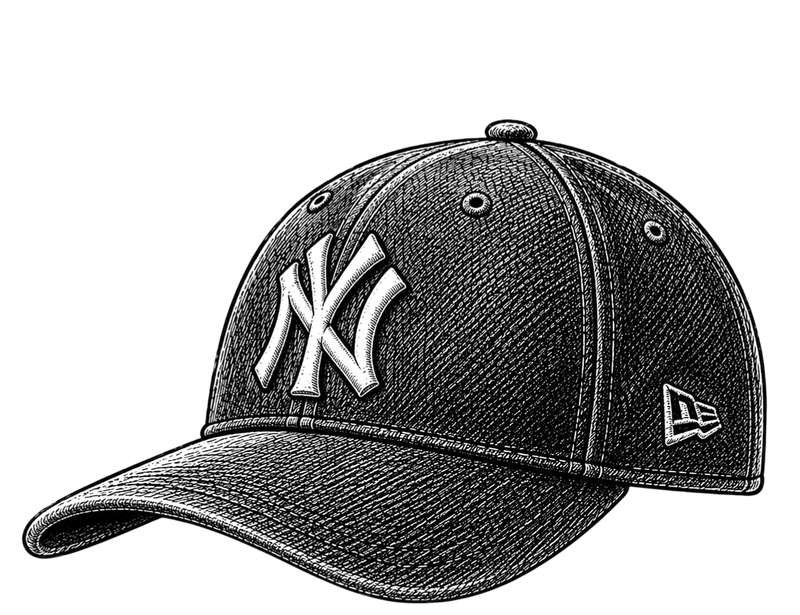
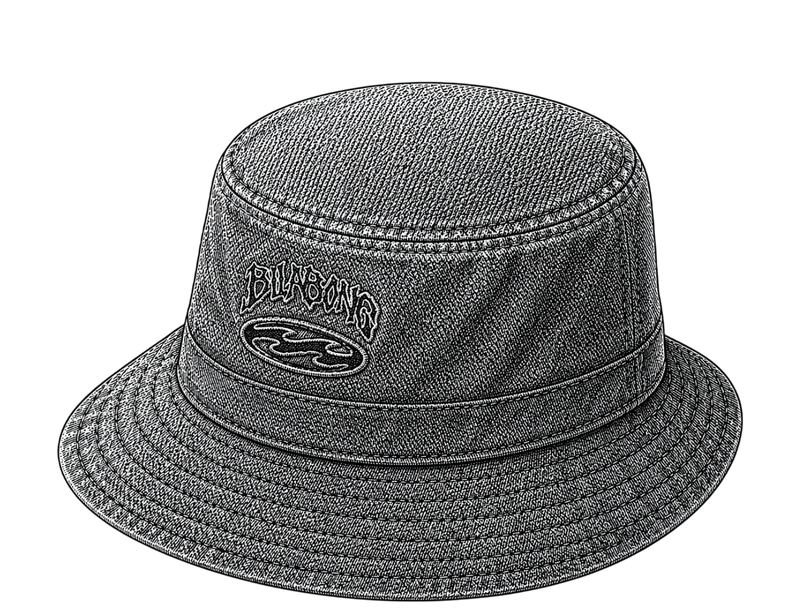
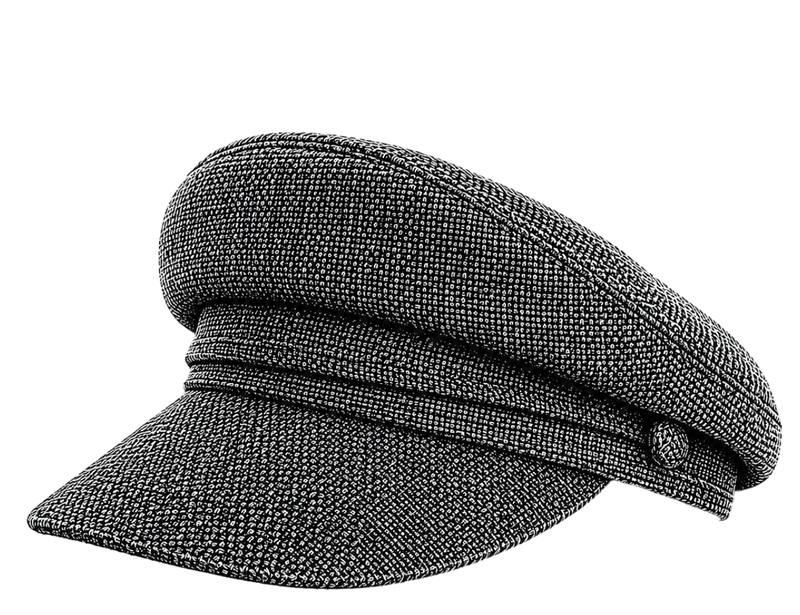
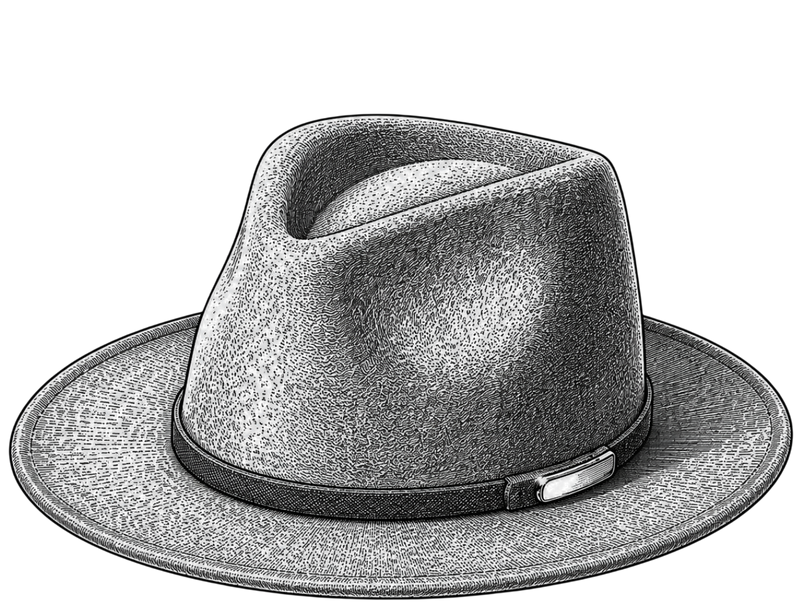
Structured, classic silhouettes in neutral colors: a medium-brim fedora in charcoal or stone, or a flat cap in a wool blend. These styles have enough cultural familiarity that they don't read as exotic or attention-seeking in a professional context. Wide-brim hats and highly casual styles (bucket hats, trucker caps) sit outside the business-casual register and read as fashion statements rather than personal style. The key is consistency — wearing the same style regularly makes it personal style; wearing it occasionally makes it an occasion statement.
Do hats work on video calls, or do they look unprofessional?
Depends on the hat and the call type. In internal meetings with colleagues in a casual-to-business-casual company culture, a clean, structured hat often reads as consistent personal style, particularly if the wearer is known to wear hats. In formal client-facing video calls where other participants will be in suit-and-tie equivalents, a hat may read as too casual relative to the formality norms of the call. The same principle as in-person: match formality level to the call's context and your relationship with the participants.
Related Reading
- How Do I Style a Hat Without Looking Like I'm Trying Too Hard?
- How a Hat Became a Signature Part of Successful Men's Personal Style
- The Psychology of Wearing a Hat: Confidence, Identity, and First Impressions
Shop Hatloom
Business-appropriate fedoras and flat caps in neutral tones — structured silhouettes that integrate into professional settings without competing with the outfit.