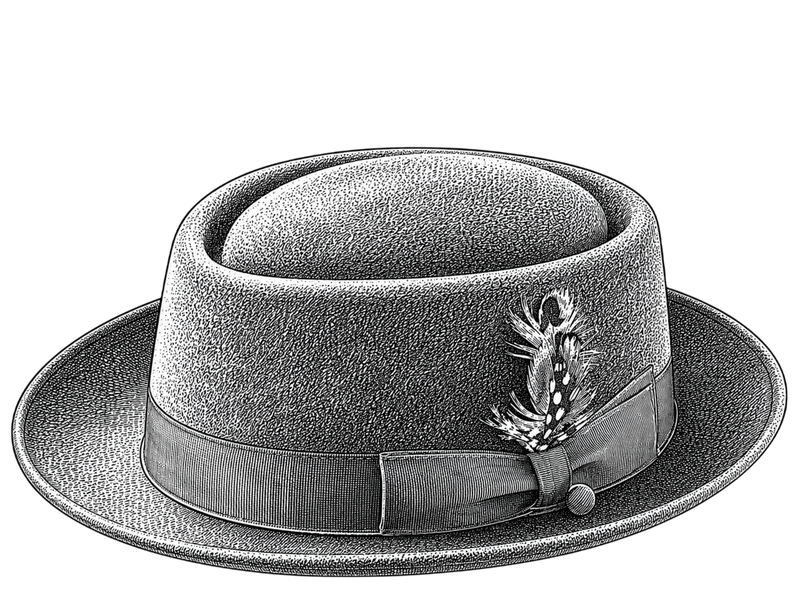
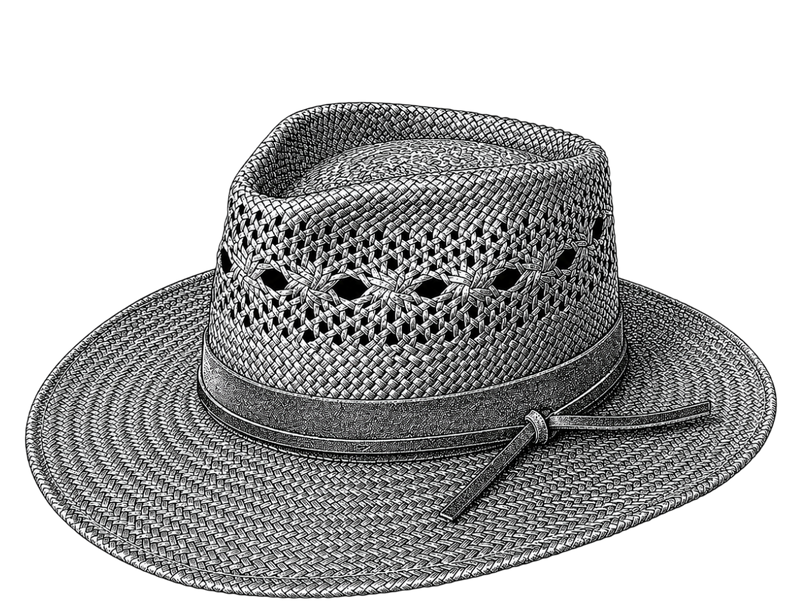
A signature accessory works because it does something most wardrobes don't: it creates instant recognizability without requiring effort on any given day.
Why a Hat Works as a Signature Piece
- Consistency without monotony: Unlike a signature color or pattern, a hat style can vary slightly (different colors, slight style variations) while remaining recognizable.
- Low daily decision cost: Once established, a signature hat removes a styling decision from the daily routine — a small but real reduction in decision fatigue.
- Built-in memorability: People remember distinctive accessories more readily than entire outfits.
Insight: Signature style elements work because they reduce decision fatigue while increasing memorability — a rare combination where less daily effort produces a more, not less, distinctive personal brand.
How to Build One Without Looking Costume-Like
| Approach | Effect |
|---|---|
| Same silhouette, varied colors | Recognizable but not repetitive |
| Identical hat every single day | Risk of reading as costume rather than style |
Bottom line: A signature hat works best with consistent silhouette and some color variation — recognizable without becoming a costume.
Frequently Asked Questions
How do I build a hat into a signature style element without looking like I'm in costume?
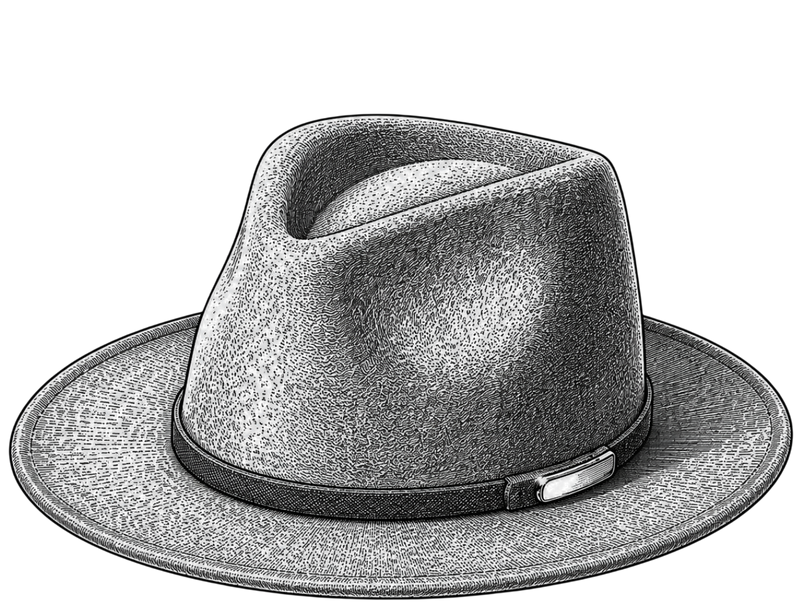
Consistency over time, with variation in execution. Wear the same silhouette across different contexts — fedora in the morning, fedora in the evening, fedora at work and on weekends. Vary the color and weight seasonally. The signature is the silhouette, not the specific hat. After 3–6 months of consistent wearing, people associate the silhouette with you rather than noticing any particular hat. The costume effect happens when the hat is clearly an addition to an existing style rather than an integrated part of it — wearing it consistently in your actual life (not as an occasion piece) prevents this.
What makes an accessory become a signature piece vs. just something you wear sometimes?
Frequency and integration. An item worn occasionally is noticed as an item; an item worn consistently becomes associated with the person. The transition happens through repeated visibility in the person's actual social contexts. A hat worn to a few special occasions is noticed as a hat choice. A hat worn to work, at the weekend, and in everyday encounters becomes "that's just how they look" — it becomes part of the mental model people have of the person, which is what a signature element means.
Which hat styles work best as signature pieces for everyday wear?
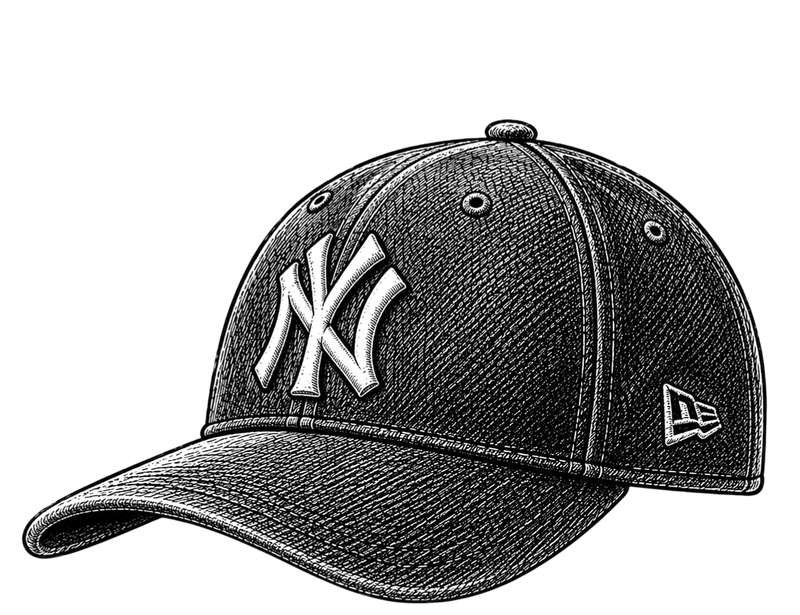
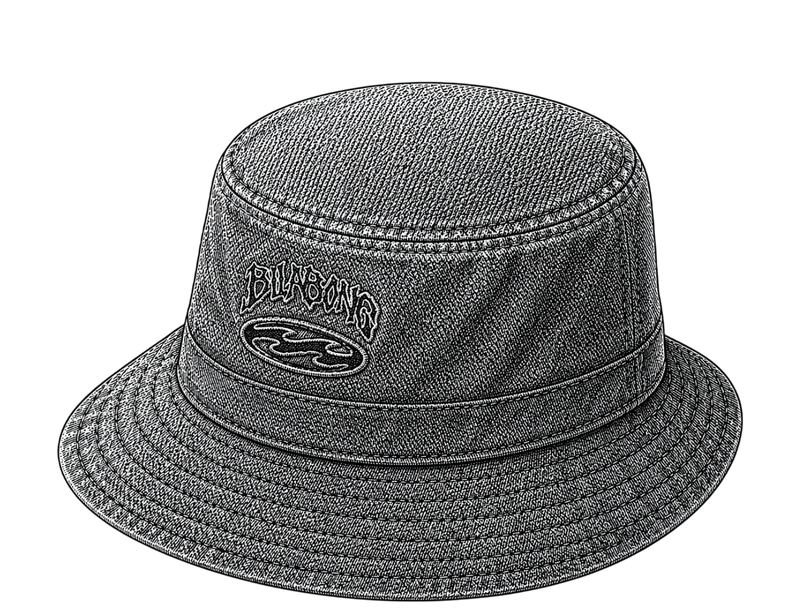
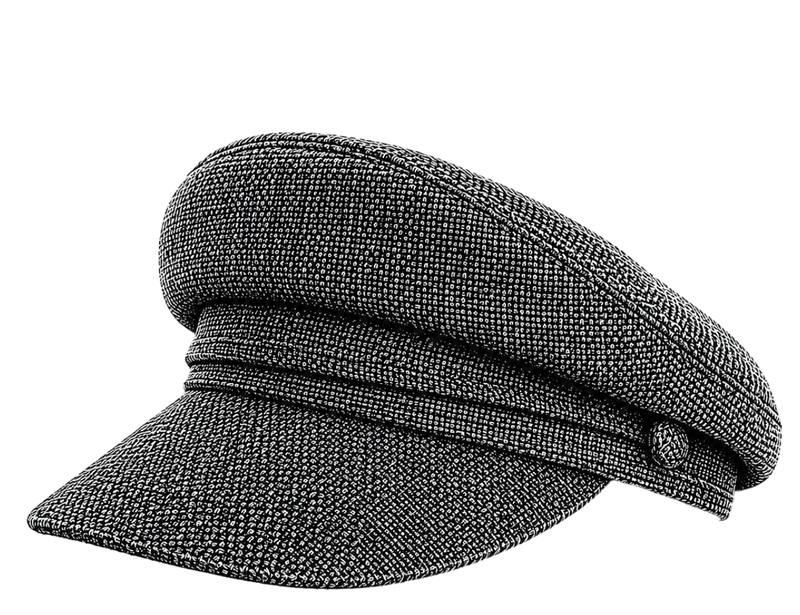
Silhouettes with broad contextual range: a classic fedora works across casual and business-casual, morning and evening, summer and winter (with appropriate material variation). A flat cap occupies similar territory. These styles have enough historical precedent and cultural familiarity that they don't read as exotic or deliberately attention-seeking — they read as a personal choice, which is what a signature element should feel like. Very casual styles (bucket hat, trucker cap) work as signatures in casual-only contexts; structured styles have broader range.
Related Reading
- How Your Hat Becomes Part of Your Personal Brand
- The Psychology of Wearing a Hat: Confidence, Identity, and First Impressions
- How Do I Style a Hat Without Looking Like I'm Trying Too Hard?
Shop Hatloom
Classic hat silhouettes built for consistent wear — fedoras and flat caps in neutral and seasonal colorways designed to integrate into a real wardrobe, not stand apart from one.