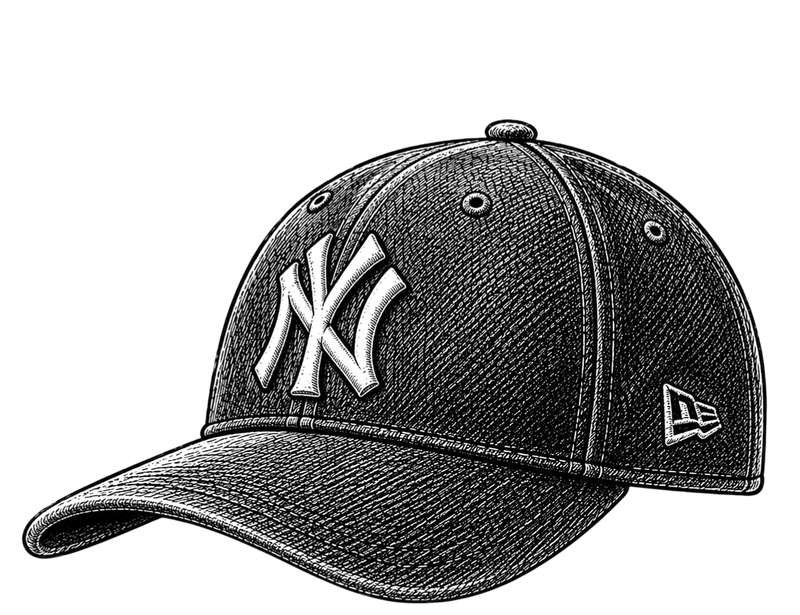
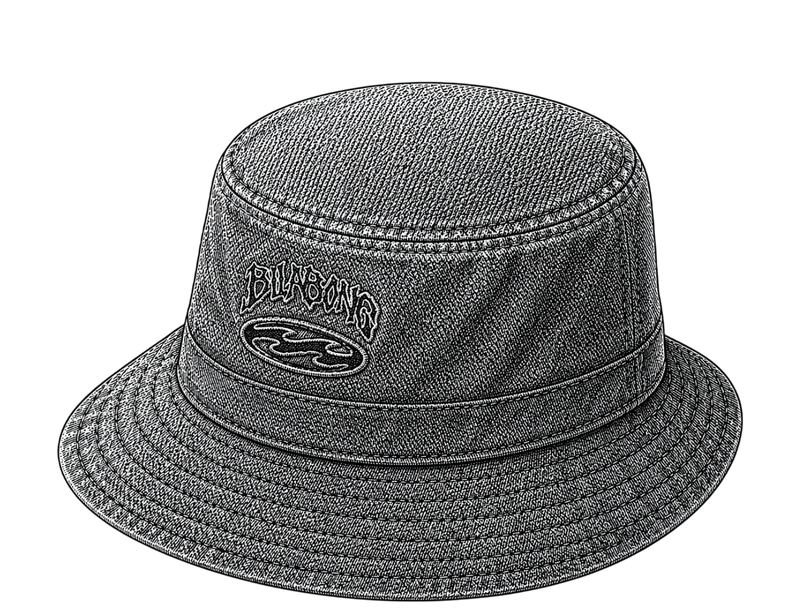
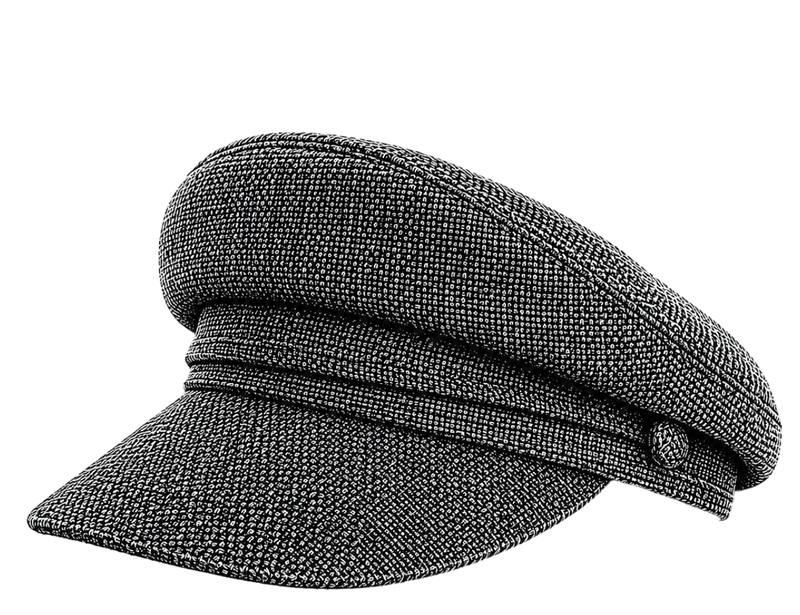
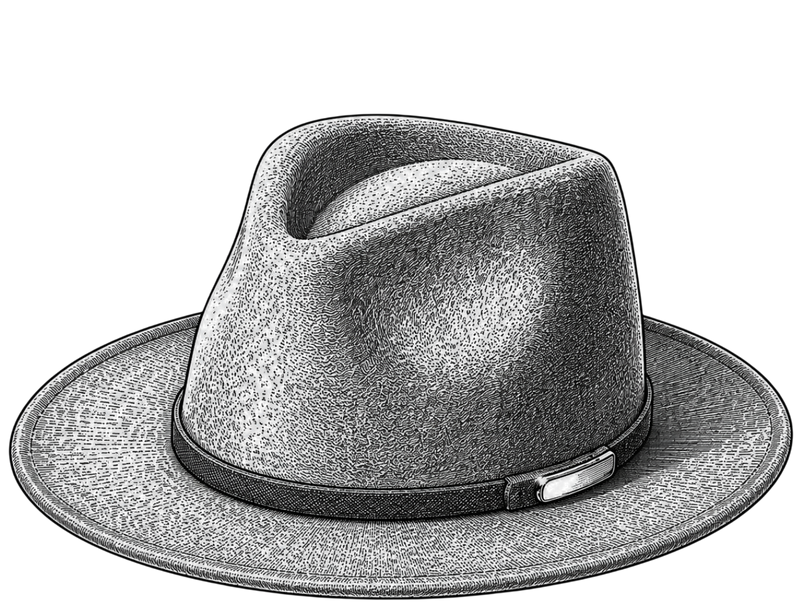
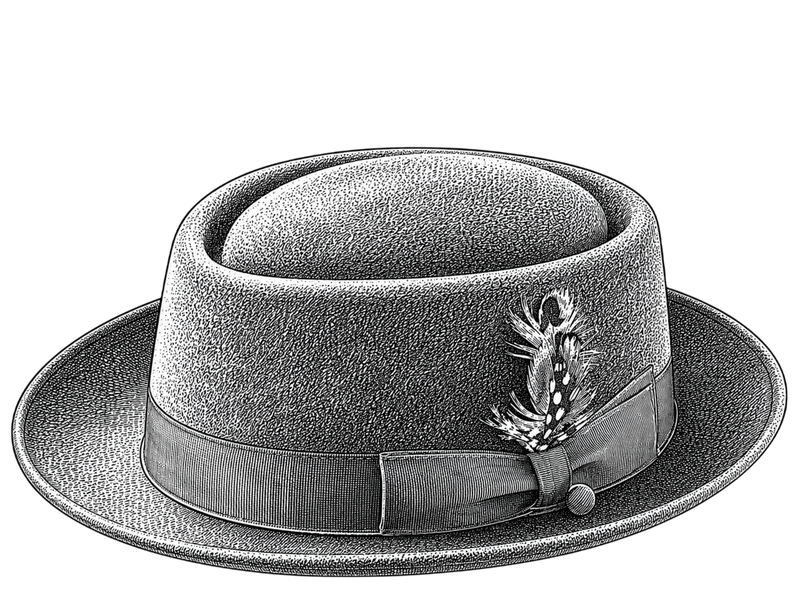
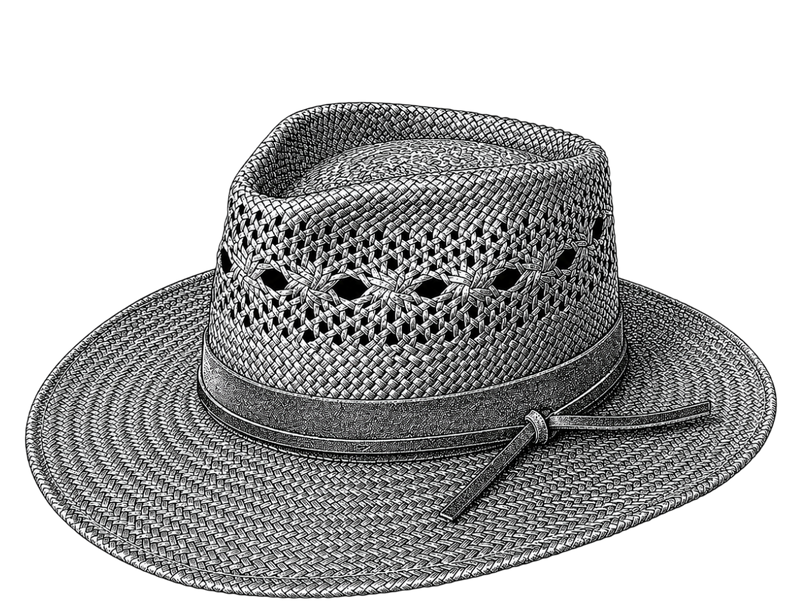
Most outfit upgrades require buying new clothing. A hat is the rare exception — it elevates existing pieces without replacing anything.
Why It Works So Efficiently
- Highest visual placement: Sitting above eye level, a hat draws attention first, framing everything below it.
- Single-item formality shift: Adding a structured hat can shift an entire outfit's perceived formality up a notch without changing any other piece.
- Low cost relative to impact: A single hat purchase affects how every existing outfit in a wardrobe reads, unlike most single-item purchases.
Insight: Because a hat occupies the highest visual point on the body, it has outsized influence on perceived outfit formality and intentionality relative to its actual cost — a structural reason it outperforms most other single-item upgrades.
Quick Examples
| Base Outfit | Effect of Adding a Hat |
|---|---|
| Plain t-shirt and jeans | Reads more intentional, less thrown-together |
| Business casual shirt and trousers | Elevates toward smart-casual or business formal |
Bottom line: A hat's visual placement gives it outsized impact on outfit formality and intentionality — the highest-leverage single accessory most wardrobes can add.
Frequently Asked Questions
Why does a hat elevate an outfit more than other accessories?
Visual placement. The human eye tracks upward to the face in social interaction — anything framing or above the face is processed first and most prominently. A hat at the top of the visual field sets the formality register for the entire impression before anything below the collar is consciously noted. A belt, shoe, or watch sits lower in the visual hierarchy; it contributes to the outfit but doesn't frame the face. The hat's position gives it singular leverage over the complete first impression in a way no other accessory achieves.
What kind of hat provides the biggest outfit upgrade for the most contexts?
A classic fedora in a neutral tone. It shifts the perceived formality of casual and business-casual outfits upward without reading as formally dressy. It works across color palettes because neutrals (charcoal, stone, brown) don't compete with existing outfit colors. And it's versatile enough to work across contexts where many accessories would be context-specific — a pocket square works at formal events, but not at a Saturday morning errand run. A neutral fedora works across both.
Can the wrong hat actually downgrade an outfit?
Yes, if formality is severely mismatched. A very formal structured hat (black homburg, for example) worn with athletic wear creates a jarring incongruity that reads as costume rather than upgrade. A bucket hat with a business-casual outfit in a professional context reads as casual intrusion. The upgrade effect is real when the hat's formality level is at or slightly above the outfit's existing formality level. When the gap is too large in either direction, the hat competes with the outfit rather than elevating it.
Related Reading
- How Do I Style a Hat Without Looking Like I'm Trying Too Hard?
- The Psychology of Wearing a Hat: Confidence, Identity, and First Impressions
- How a Hat Became a Signature Part of Successful Men's Personal Style
Shop Hatloom
Classic fedoras and structured caps in neutral colorways — the single-item purchase that elevates existing wardrobes without requiring anything else to change.