The idea behind Hatloom didn't start with a market analysis. It started with a single hat that outlasted every assumption about how long clothing is supposed to last.
The Origin of the Idea
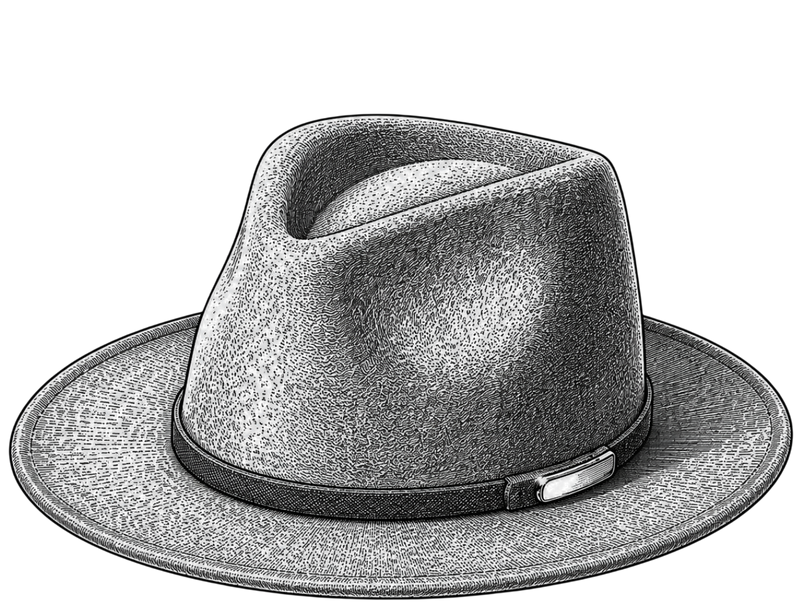
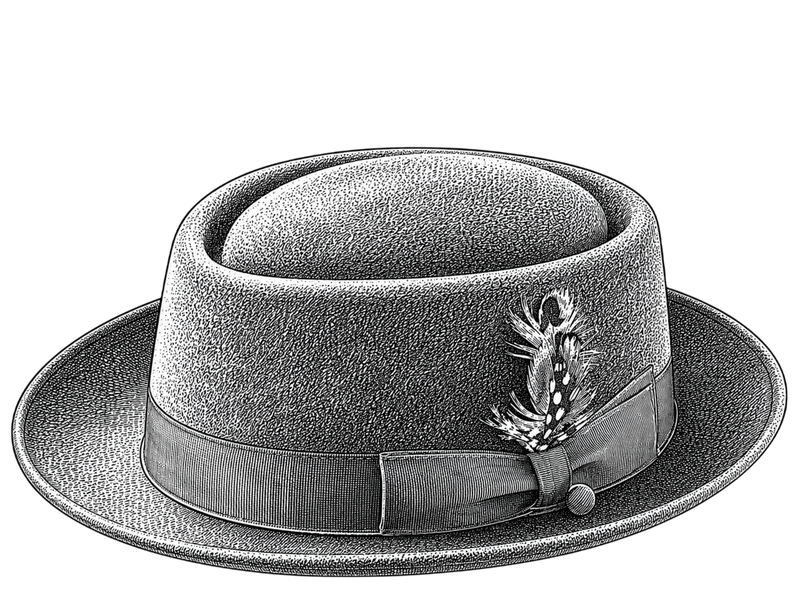
A felt hat handed down through a family, decades old, still holding its shape and still wearable — a quiet, persistent reminder that quality construction and material choice can outlast trends, owners, and even the original context the item was bought for.
Insight: Most modern headwear is designed for a season, not a generation. The contrast between a decades-old, still-functional hat and the disposable products filling most retail shelves today is what shaped our focus on construction transparency over trend-chasing.
What This Means for How We Build Hatloom
- Material transparency first: Disclosing felt grade, fiber source, and construction method rather than relying on vague marketing language.
- Narrow focus: Headwear only — hats and caps — so quality standards aren't diluted across unrelated categories.
- Built to last, not just to sell: Construction choices prioritize longevity even when a cheaper, faster-to-produce alternative exists.
Bottom line: The standard we measure every product against isn't a competitor's catalog — it's whether it could plausibly still be worn, and still look right, decades from now.
Frequently Asked Questions
What does material transparency actually mean in practice for Hatloom?
It means specific, verifiable information rather than adjectives. Where we specify felt, we list the micron range and density. Where we use leather trim, we specify hide grade and tannage method. Where the construction method matters — hand-finishing, brim blocking technique, sweatband material — it's disclosed in the product description. The standard is: could a knowledgeable buyer use our product description to make an informed comparison to a competitor's product on objective criteria? If not, we haven't been transparent — we've been vague.
Why does Hatloom only sell headwear, not other accessories?
Depth requires constraint. Adding bags, scarves, or gloves to the catalog would spread our material sourcing relationships and construction expertise across categories we haven't built the same knowledge in. A brand that knows hats deeply — the felt supply chain, the blocking process, the sweatband materials, the straw weaving traditions — can make better sourcing decisions and product choices than one that treats hats as one category among many. Headwear-only is a deliberate constraint that creates space for genuine expertise.
How does the grandfather's hat standard apply to modern hat production?
It's a longevity filter, not a nostalgia filter. The question isn't "does this look like an old hat?" — it's "in 40 years, will the person who received this hat still be able to wear it if they chose to?" That requires: felt that doesn't degrade in normal storage; a blocked shape with enough density to hold over decades of use; a sweatband material that doesn't break down under moisture; a silhouette that isn't tied to a specific trend year. Most modern headwear doesn't pass this filter. The ones that do share specific construction properties, which is why we disclose those properties explicitly.
Related Reading
- The Hat as Heirloom: Why a Great Hat Outlives Trends
- What's the Best Hat Brand for People Who Care About Craftsmanship?
- What Grade of Wool Felt Do We Use, and Why It Matters
Shop Hatloom
Hats built to the grandfather standard — construction and material choices that prioritize wearability decades from now, not just this season.