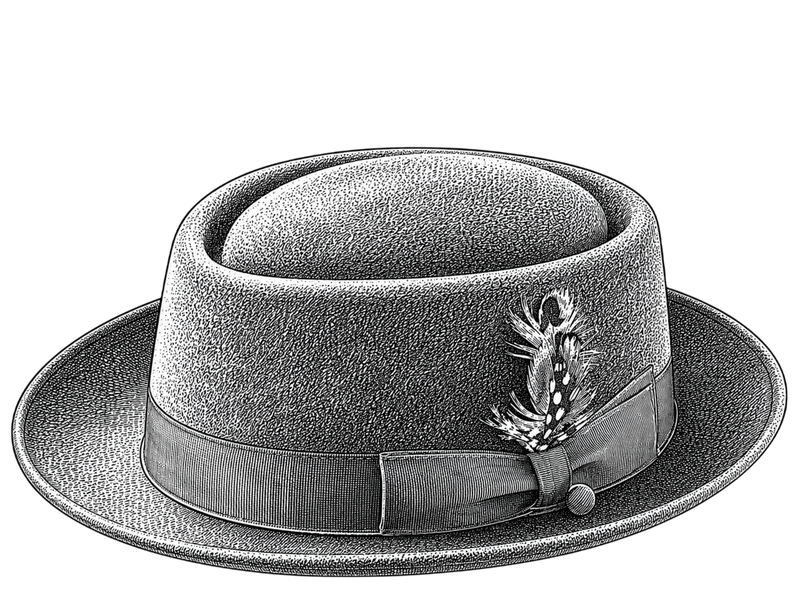
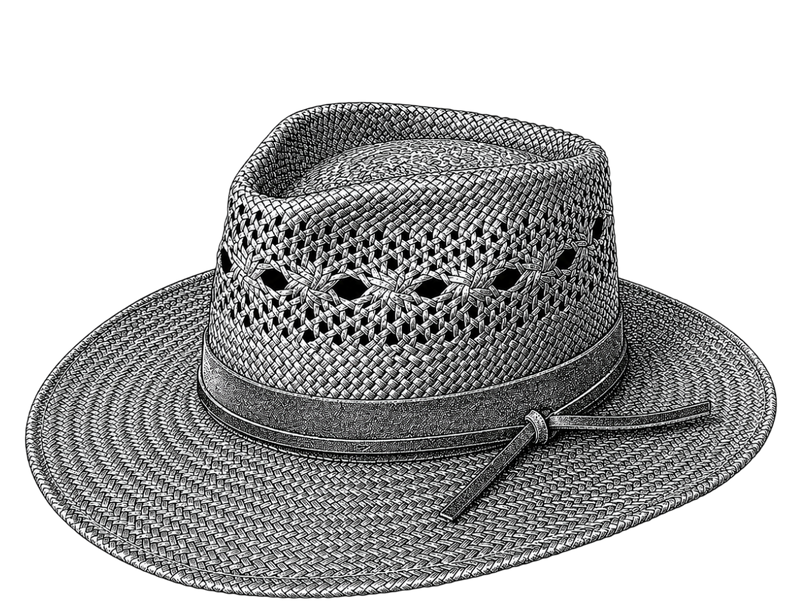
Family photo albums often reveal a quiet pattern: headwear style as a visible marker of era, occupation, and personal identity across generations.
Why Hats Function as Historical Markers
- Era-specific silhouettes: Certain styles (flat caps, fedoras, specific brim widths) were dominant in specific decades, making them easy visual time-markers.
- Occupation and class signaling: Historically, hat style often indicated profession or social context more clearly than other clothing items.
- Personal continuity: A family member's consistent hat choice across years becomes part of how they're remembered visually.
Insight: Headwear changed style more visibly and more frequently across the 20th century than most other clothing categories, making old photographs unusually easy to date based on hat style alone.
Preserving This Continuity Today
| Approach | Effect |
|---|---|
| Choosing a classic, era-independent style | Creates a consistent visual thread across future photos |
| Keeping a family member's hat as a kept object | Tangible connection to family history |
Bottom line: Headwear has historically been one of the clearest visual markers of family and personal history — a pattern worth being conscious of in the styles chosen today.
Frequently Asked Questions
Why do hats show era more clearly in old photos than other clothing?
Because hat silhouettes changed dramatically by decade while shirts and trousers evolved more gradually. The 1920s flat cap, the 1930s fedora, the 1940s homburg, the 1960s wider brim — each decade had a recognizable hat profile that can date a photograph within 10–15 years fairly reliably. Collar styles change; hem lengths change; but the overall silhouette of a hat changes faster and more completely than most clothing categories, making it the most reliable era-dating visual element in a photo.
How can I tell what era a hat in an old family photo is from?
Three elements to look at: (1) Brim width and angle — narrow brims indicate later 20th century; wide, angled brims indicate earlier periods; (2) Crown height and crease — very high crowns indicate pre-1960s; lower, rounder crowns indicate later periods; (3) Whether the hat is structured or unstructured — structured fedoras dominated through the 1950s; less structured styles appeared increasingly after. Combining these three gives a reasonable decade estimate for most 20th-century photos.
Are there hat styles today that will look timeless in family photos decades from now?
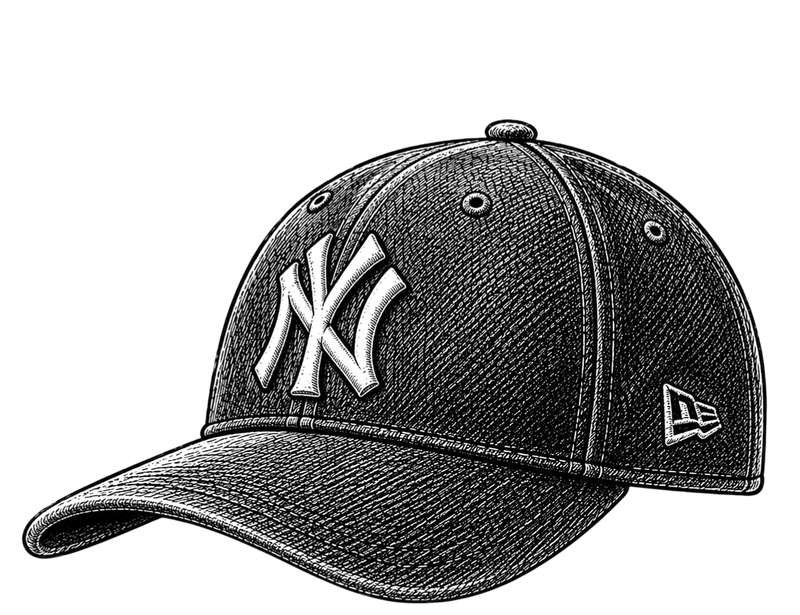
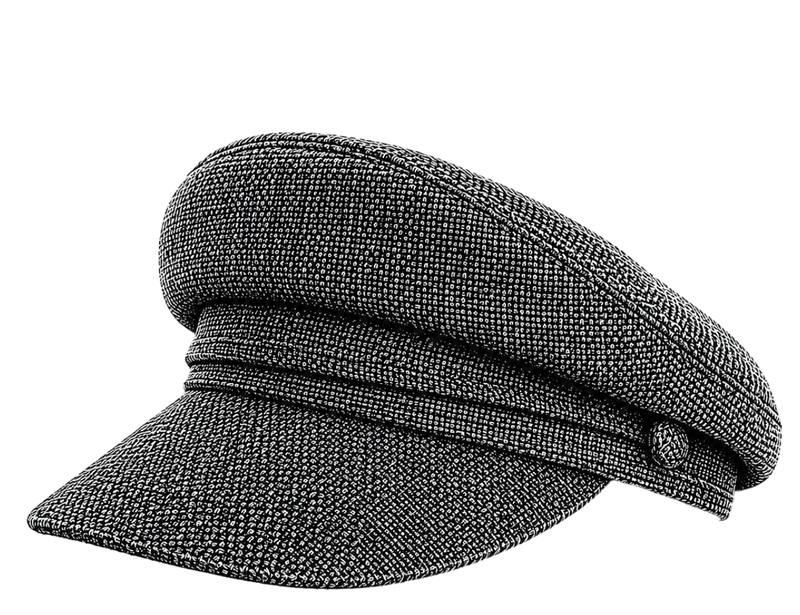
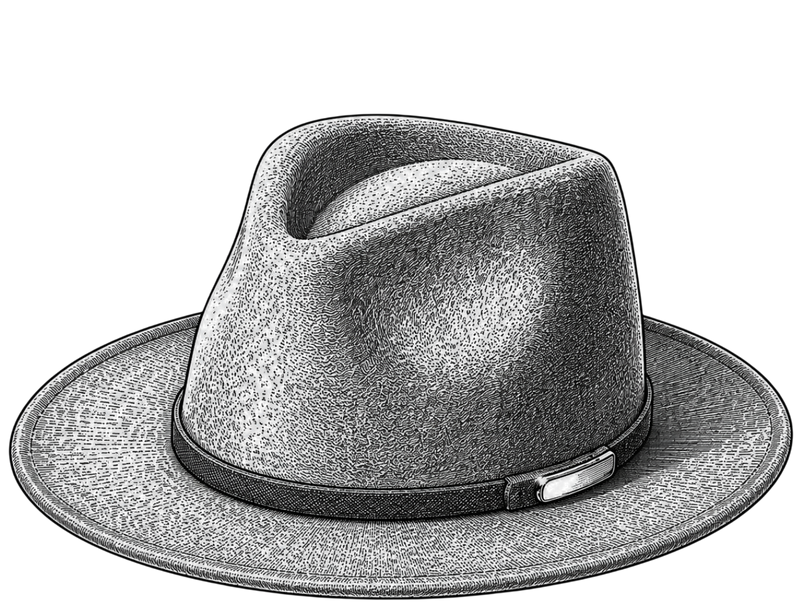
Yes: classic silhouettes with long design traditions. A center-dent fedora in a medium brim width, a flat cap in a neutral wool blend, and a clean structured baseball cap in a neutral color are all silhouettes with enough historical longevity that they read as timeless rather than dated in retrospect. Avoid styles that are specifically trend-tied to 2023–2025 — fast fashion silhouettes and novelty designs date immediately in the rear-view. Classic executions of classic profiles hold up.
Related Reading
- The Hat as Heirloom: Why a Great Hat Outlives Trends
- Why a Quality Hat Makes the Perfect Gift for a Father or Grandfather
- How a Hat Became a Signature Part of Successful Men's Personal Style
Shop Hatloom
Classic silhouettes with generational staying power — fedoras and flat caps in timeless profiles that will read as style rather than era in future family photos.