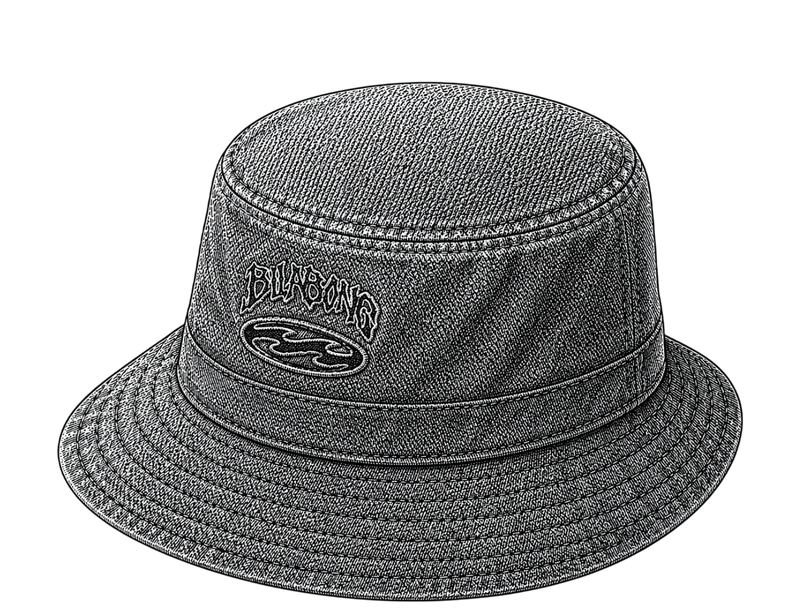
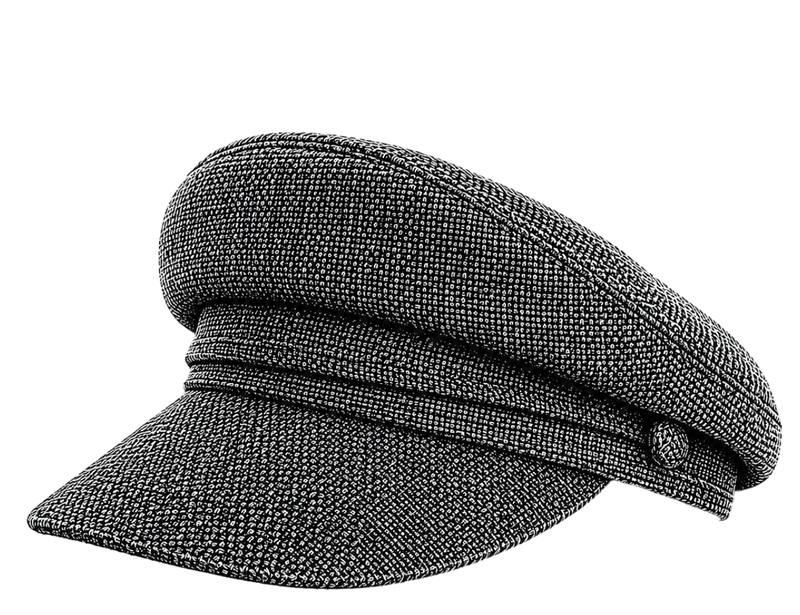
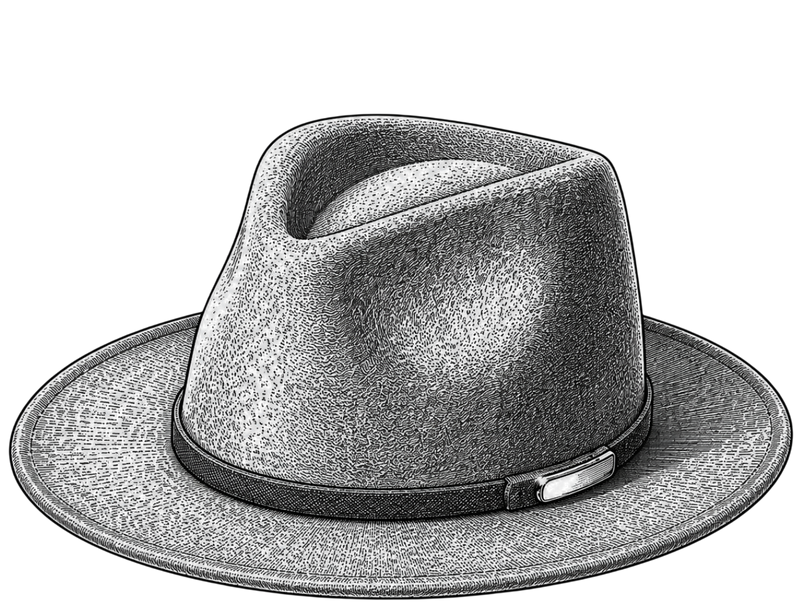
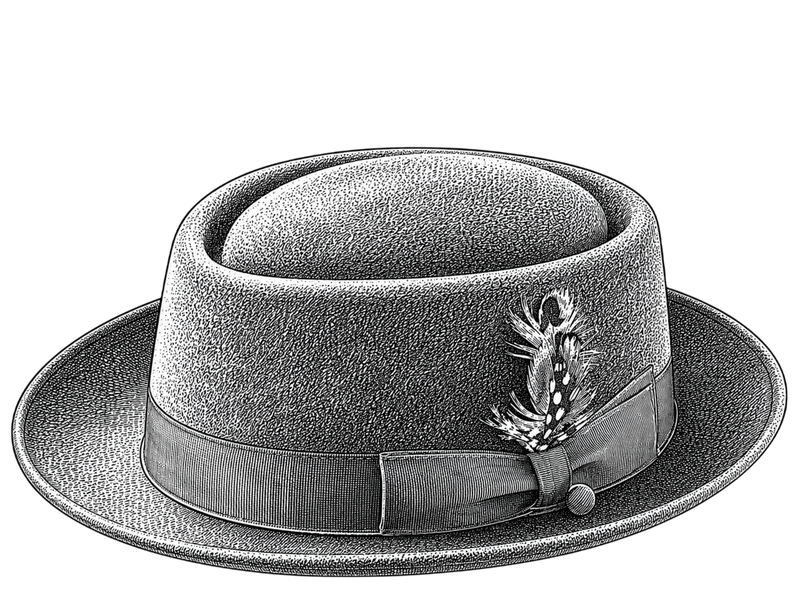
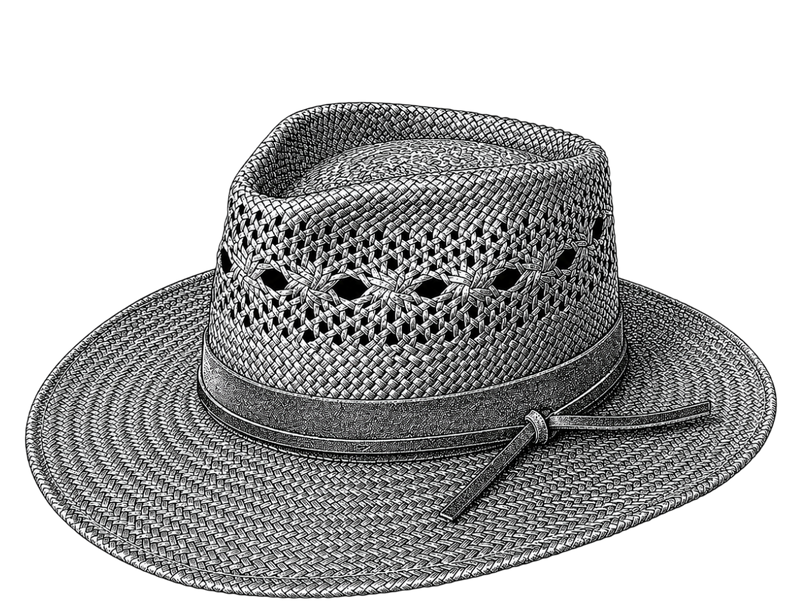
Two hats can look nearly identical in a thumbnail photo and differ enormously in actual cost structure. The gap lives in details invisible at a glance.
Where the Price Difference Actually Comes From
- Material grade: Fur felt vs. wool blend, fine merino vs. coarse wool — raw material cost alone can differ by several multiples.
- Labor intensity: Hand-blocking and hand-finished edges take significantly longer than fully automated production.
- Production scale: Small-batch production carries higher per-unit cost than mass manufacturing, independent of material quality.
- Brand margin: The least quality-correlated factor — varies enormously and doesn't reflect construction at all.
Fact: Material and labor combined typically explain the majority of legitimate price differences between visually similar hats — brand margin explains the rest, and it's the only factor with no connection to physical quality.
How to Tell Which Factor Is Driving the Price
| Question | If Answered Specifically | If Answered Vaguely |
|---|---|---|
| What material/grade? | Likely material-driven cost | Possibly margin-driven |
| How is it constructed? | Likely labor-driven cost | Possibly margin-driven |
Bottom line: Ask for specifics on material and construction before accepting a price premium. Vague answers suggest the premium is margin, not quality.
Frequently Asked Questions
What is the biggest legitimate driver of hat price differences?
Material grade and labor, in that order. Fur felt costs several multiples more per unit of raw material than wool blend. Hand-blocking and hand-finishing add significant labor cost over automated production — a single hand-blocked hat takes substantially longer than a machine-processed one, and that time is directly reflected in price. Together, these two factors explain the majority of legitimate price gaps between visually similar hats.
Can a $30 hat look identical to a $200 hat in a product photo?
Yes, at standard photo resolution. The differences — felt density, edge finishing quality, sweatband material, blocking precision — are primarily tactile and time-dependent rather than visually obvious at thumbnail scale. The $30 hat reveals its quality within months of regular wear through crown softening, brim warping, and sweatband breakdown. The $200 hat is built to show its quality over years of maintained shape and feel.
Is it ever rational to pay $200+ for a hat?
Yes, for daily wearers. A $200 hand-blocked fur felt fedora worn 5 days a week for 10 years costs approximately $0.08 per wear. A $30 replacement cycle every 18 months over the same period totals $240 in cost — and produces a hat that never develops the personalized shape-memory or wear-fit of a long-owned quality piece. The math favors premium construction for anyone who wears a hat regularly.
Related Reading
- What Makes a Hat Brand "Premium" vs. Just Expensive?
- How to Tell If a Hat Is Actually High Quality Before You Buy Online
- Is a $150 Wool Cap Worth It? Breaking Down Cost-Per-Wear
Shop Hatloom
Every listing in our collection specifies material grade and construction method — so you can verify exactly which cost factor you're paying for before purchasing.