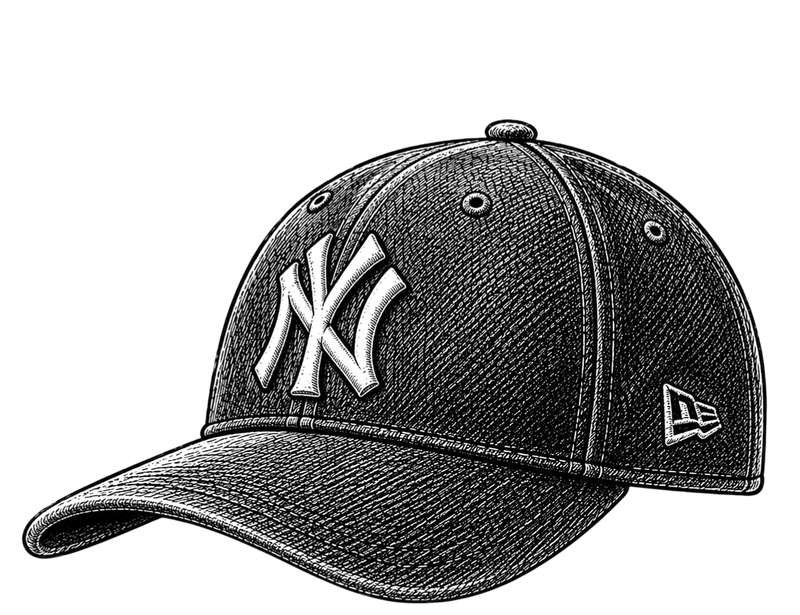
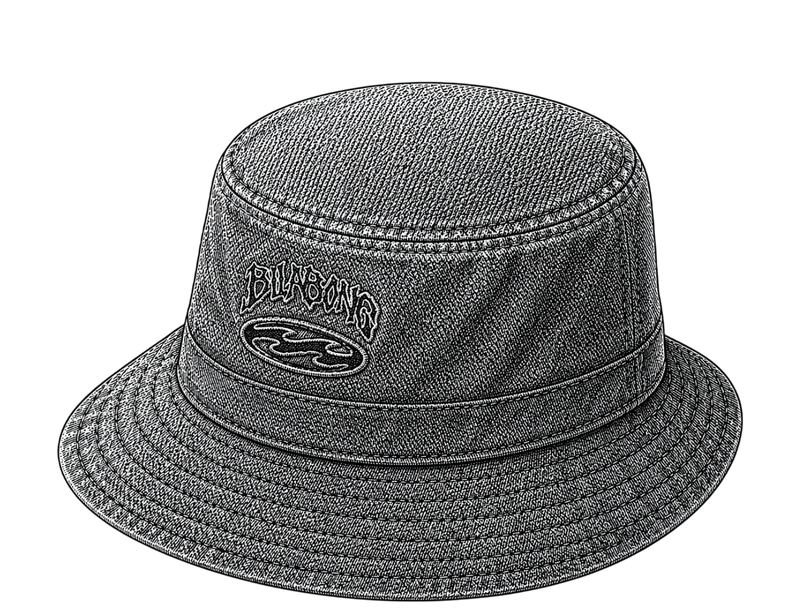
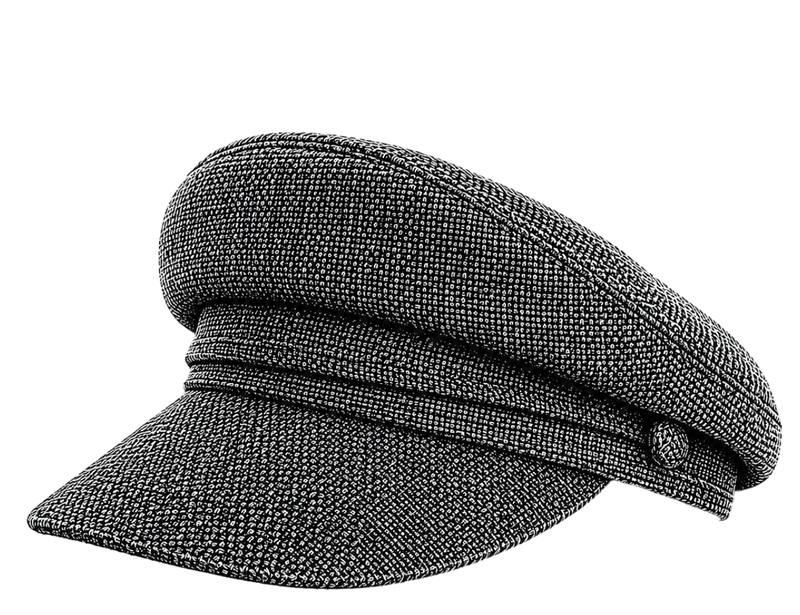
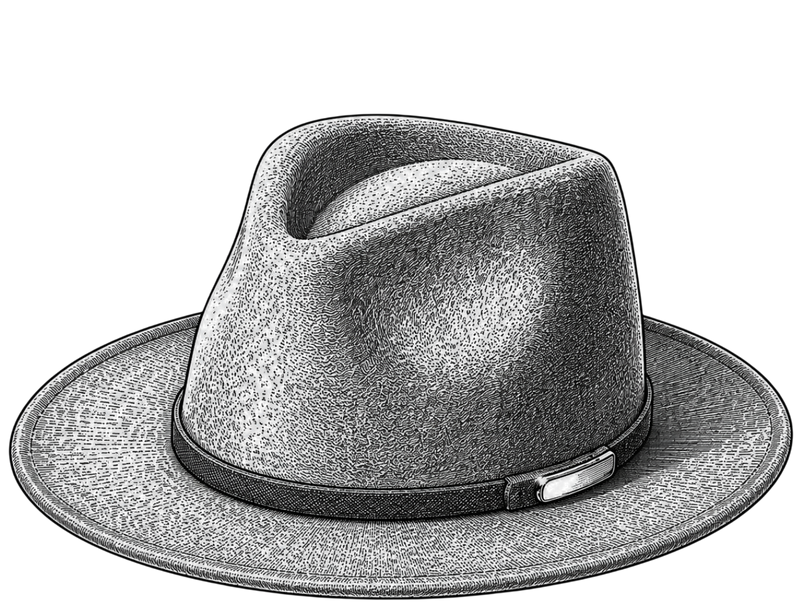
Price and quality correlate loosely, not directly. Plenty of expensive hats are simply expensive — the markup goes to branding, not materials or labor.
The Distinguishing Factors
- Material transparency: Premium brands disclose felt grade, fabric weight, and sourcing. Markup-driven brands rely on vague language like "luxury materials."
- Construction investment: Premium pricing reflects labor — hand-finishing, reinforced seams, quality hardware. Pure markup pricing reflects brand recognition alone.
- Consistency across the range: Premium brands maintain construction standards across their full catalog. Markup brands often have wide quality variance hidden behind a consistent price point.
Insight: The clearest signal of genuine premium positioning is whether a brand can answer specific material questions — exact felt weight, fiber source, construction method — without resorting to marketing adjectives.
A Practical Test
| Question to Ask | Premium Answer | Markup-Only Answer |
|---|---|---|
| What's the felt weight? | Specific gram figure | "High quality wool" |
| Where is it made? | Specific region/facility | Vague or undisclosed |
| What's the sweatband material? | Named material (leather, grosgrain) | "Comfortable lining" |
Bottom line: A brand is genuinely premium when it can answer specific material and construction questions with precision. Expensive-but-vague is markup, not premium quality.
Frequently Asked Questions
What questions should I ask a hat brand to determine if they're genuinely premium?
Ask for: (1) felt weight in grams, (2) fiber grade or source region, (3) sweatband material by name, (4) construction method description. A genuinely premium brand answers all four with specifics. A markup-only brand answers with adjectives — "luxury," "high quality," "fine materials" — none of which are verifiable or meaningful without supporting specification.
Is a higher price always a reliable indicator of better hat quality?
No. In the $60–150 range especially, brand overhead accounts for 25–35% of cost at many retailers without improving material grade. Price becomes a more reliable quality signal above $150, where labor — hand-finishing, specific construction methods — starts driving cost in ways that are difficult to fake at scale. Below $150, the correlation between price and quality is substantially weaker than most buyers assume.
Can a hat be both expensive and poorly made?
Yes, consistently. The mechanism is brand equity: established name recognition supports pricing that isn't justified by material or construction specifications. The test isn't the price — it's whether the brand can describe what's inside the hat with precision. A $200 hat whose maker can't tell you the felt weight or sweatband material is almost certainly charging for the name, not the construction.
Related Reading
- How to Tell If a Hat Is Actually High Quality Before You Buy Online
- Why Do Some Hats Cost 10x More Than Others That Look the Same?
- How Weight and Density Indicate a Hat's True Quality
Shop Hatloom
We answer all four questions above for every hat in our collection — felt weight, fiber source, sweatband material, and construction method are listed, not hidden. Judge accordingly.