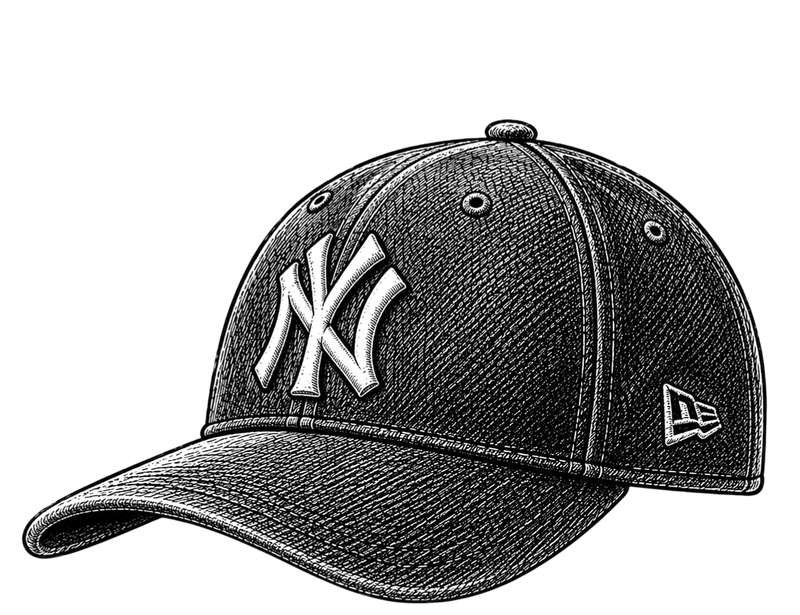
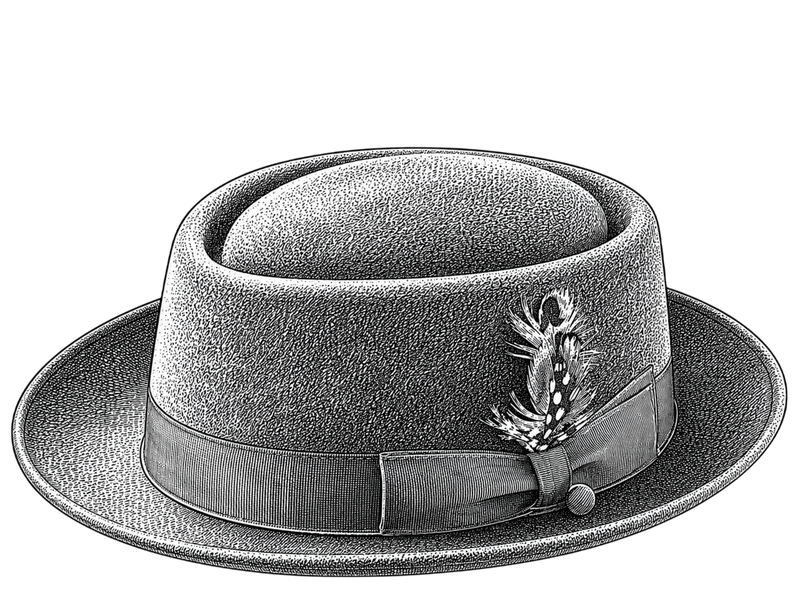
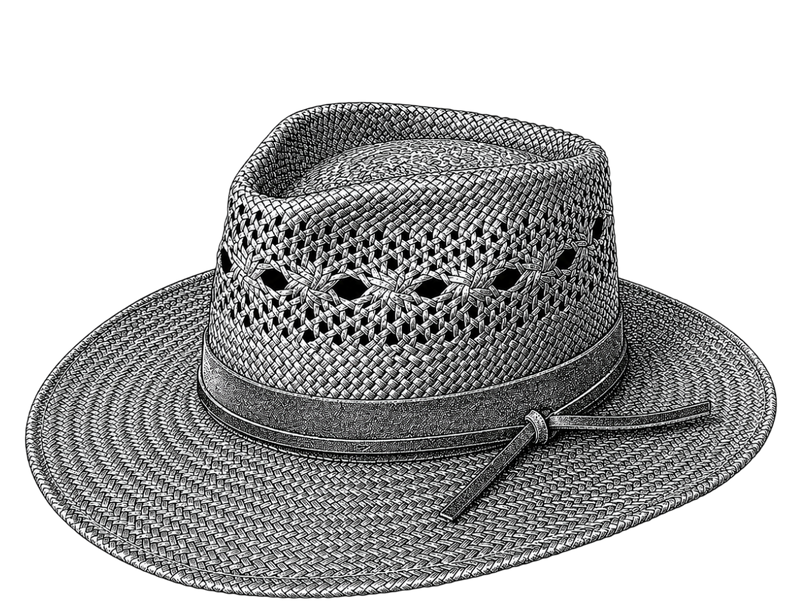
One has a closure strap, the other doesn't — but that single difference cascades into how each one fits, feels, and ages.
Core Differences
- Snapback: Adjustable plastic snap closure at the back, accommodating a range of head sizes, slightly looser overall fit.
- Fitted: No closure — sized to an exact circumference, producing a closer, more tailored fit with no adjustment margin.
Insight: Fitted caps generally hold their shape better over time precisely because they lack a flex point — the snap closure on a snapback is a common wear-and-failure point absent in fitted construction.
Comparison Table
| Factor | Snapback | Fitted |
|---|---|---|
| Sizing | Adjustable range | Exact size required |
| Fit precision | Looser, more margin | Closer, tailored |
| Long-term durability | Snap closure can wear out | No closure to fail |
Which to Choose
Choose snapback for flexibility across uncertain or shared sizing. Choose fitted when you know your exact size and want the closest, most secure fit without a mechanical closure point.
Bottom line: The closure mechanism is the core difference — it determines fit precision, adjustability, and which part of the cap is most likely to wear out first.
Frequently Asked Questions
Which cap type fits more securely — snapback or fitted?
Fitted, for someone who knows their exact measurement. A fitted cap at the correct size creates a closer, more even contact with the head than a snapback, which can have slight lateral looseness even at the correct adjustment setting. The trade-off is zero margin for sizing error — a fitted cap that's even half a size off fits noticeably worse than the same measurement in a snapback.
Do fitted caps stretch over time?
Slightly. Cotton crown fabric loosens with repeated wear and washing over 6–12 months, meaning a fitted cap that felt snug at purchase may feel marginally looser after a season of regular use. Sizing to the slightly tighter end of your measurement range at purchase compensates for this. Snapbacks are less affected because the closure adjusts to maintain tension as fabric loosens.
Are snapbacks or fitted caps more durable?
Construction quality determines durability more than closure type, but the plastic snap closure is the most common single failure point in snapbacks — it can crack, loosen, or break under repeated cycling. Fitted caps, lacking this component, have one fewer potential failure point. Premium snapbacks with reinforced or metal closure mechanisms substantially close this durability gap.
Related Reading
- Trucker Cap vs. Snapback: Which Fits Better and Lasts Longer?
- How Do I Know If a Cap Will Fit Without Trying It On?
- How Tight Should a Baseball Cap Fit?
Shop Hatloom
Our cap collection includes both snapback and fitted styles — each with closure type and size range specified so the fit decision is made before purchase rather than discovered at the door.