Online cap buying fails most often at one step: skipping the measurement and relying on S/M/L labels that vary significantly between brands.
The Reliable Method
- Measure head circumference 1cm above the ears, in centimeters.
- Compare against the specific brand's size chart — never assume standard sizing across brands.
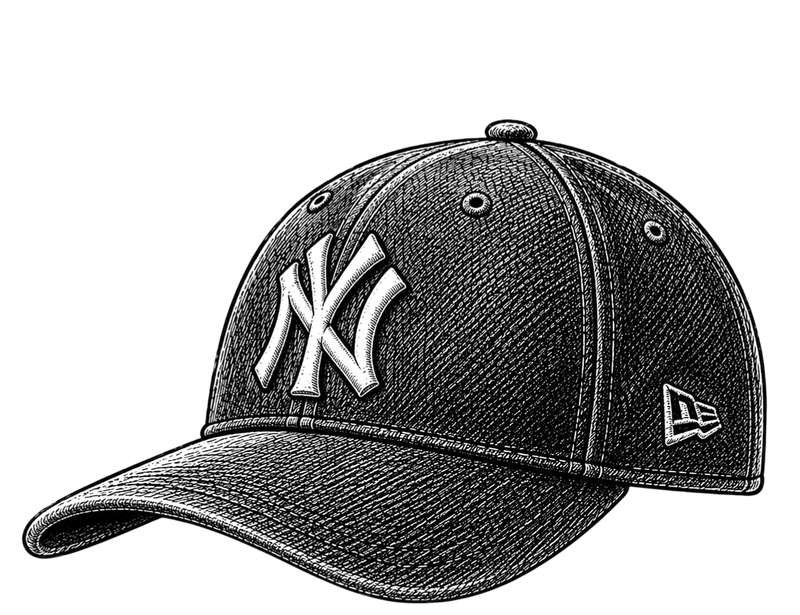
- For adjustable caps (snapback, strapback), check the listed adjustment range covers your measurement with margin on both sides.
- For fitted caps, treat the measurement as exact — no adjustment margin exists.
Fact: "One size fits most" typically means an adjustable range of roughly 21–24 inches (53–61cm) — outside that range, fit is not guaranteed regardless of the label.
Adjustable vs. Fitted Decision
| Cap Type | Fit Margin for Error | Best For |
|---|---|---|
| Snapback/strapback | Moderate — adjustable range | Uncertain or in-between sizing |
| Fitted | None — exact size required | Known, precise head measurement |
Bottom line: Measure precisely, check the specific brand's chart, and choose adjustable styles when uncertain. Skipping measurement is the single biggest cause of online cap fit failure.
Frequently Asked Questions
How accurate are S/M/L sizing labels for caps?
Inconsistently accurate. S/M/L sizing is not standardized across brands — a medium from one manufacturer may correspond to a large from another. The only reliable sizing method is measuring head circumference in centimeters and cross-referencing against the specific brand's size chart. Never assume size equivalence between brands based on letter sizing alone.
What head circumference does "one size fits most" actually cover?
Typically 53–61cm (approximately 21–24 inches), which covers the majority of adult head sizes. Heads outside this range — above 61cm or below 53cm — may find "one size fits most" caps either too tight at full extension or visibly loose at maximum tightening. Fitted caps in measured sizes are the reliable solution for heads at either extreme.
Should I choose adjustable or fitted if I'm between sizes?
Adjustable. The flexibility to fine-tune within a range is more valuable than the slight structural benefit of a fitted cap when the exact size is uncertain. Only choose a fitted cap when you have a precise, confirmed measurement and have verified it against the specific brand's fitted sizing chart — not just the standard conversion.
Related Reading
- How to Measure Your Head for the Perfect Hat Fit (No More Returns)
- How Tight Should a Baseball Cap Fit?
- The Science of Sizing: How Hat Sizes Are Actually Calculated
Shop Hatloom
Every cap listing includes a centimeter-based size chart and adjustment range specification — so the fit decision is based on your actual measurement, not brand-to-brand label guesswork.