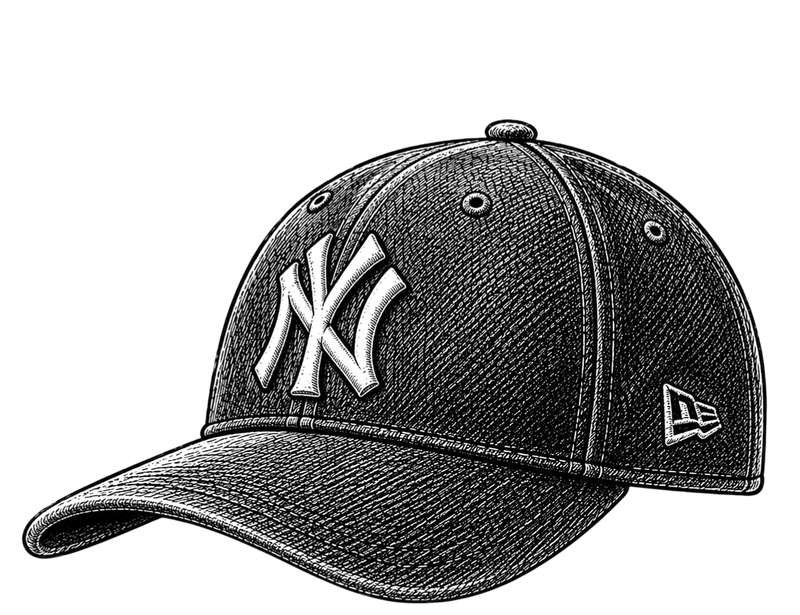
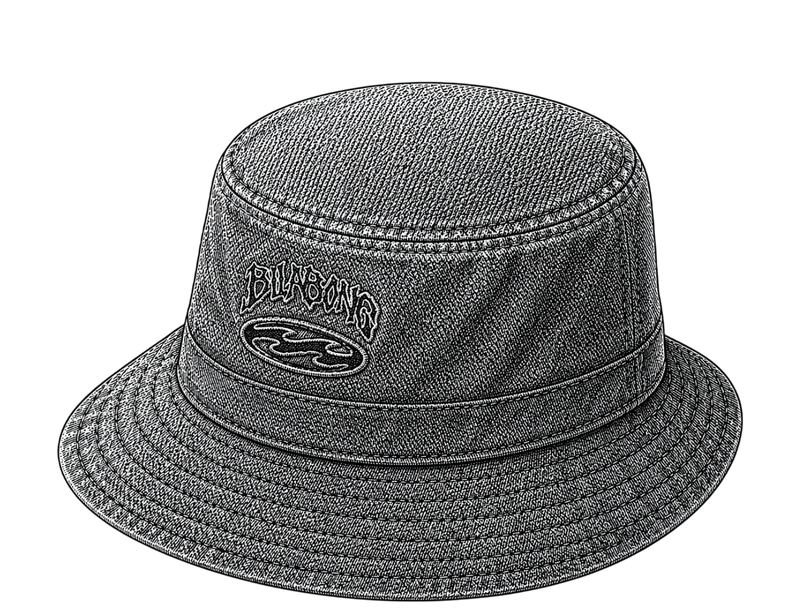
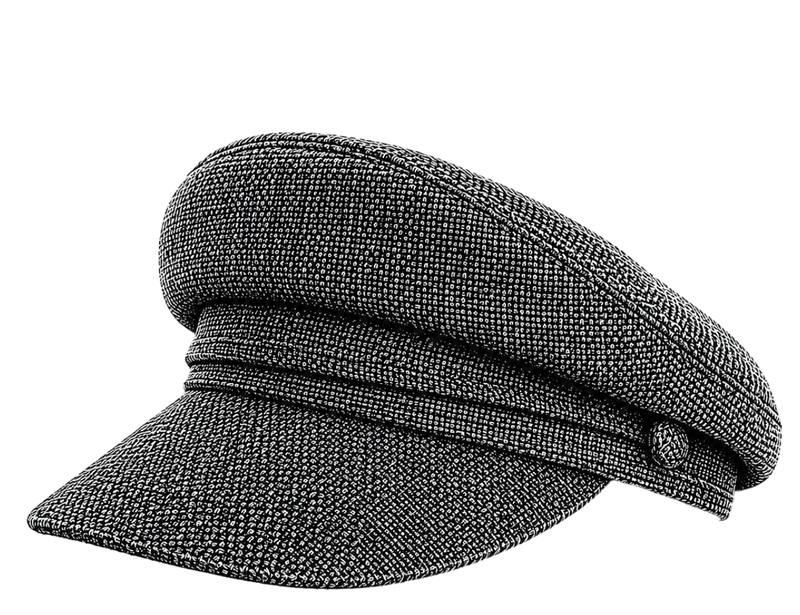
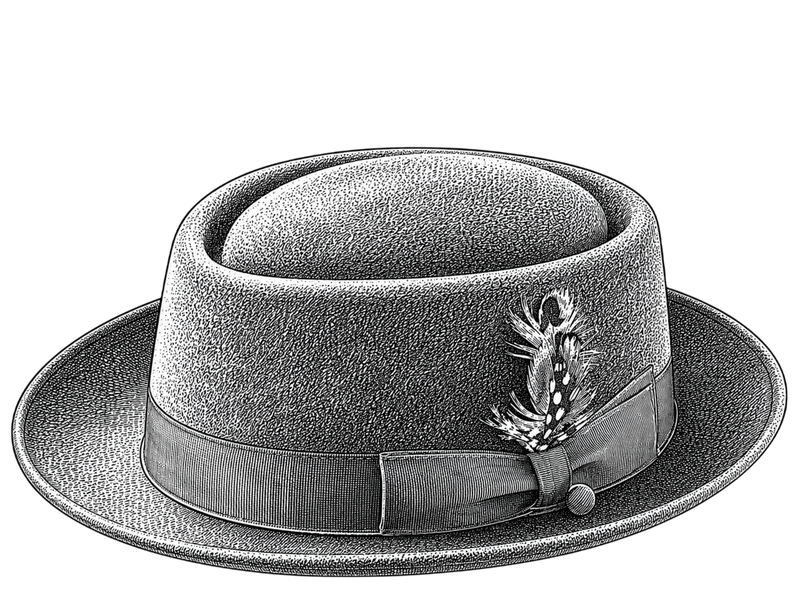
Most retailers expand into adjacent categories the moment they find traction. We made the opposite decision — and stayed deliberately narrow.
Why Headwear Only
- Depth over breadth: Focusing exclusively on hats and caps lets us invest deeply in material sourcing relationships and construction standards specific to this category, rather than spreading attention across unrelated product lines.
- Consistent quality standards: A narrow catalog is easier to hold to a single, rigorous quality bar than a broad one spanning many categories with different requirements.
- Genuine category expertise: Specializing allows for a level of construction and material knowledge that's harder to maintain as a generalist.
Insight: Category specialization is a trade-off — it limits how large the catalog can grow, but it directly supports the depth of material transparency and construction standards we consider non-negotiable. We chose depth deliberately, knowing it meant trading away breadth.
What This Means for You
| Generalist Retailer | Hatloom's Approach |
|---|---|
| Broad catalog, variable quality standards | Narrow catalog, consistent standards |
| Limited category-specific expertise | Deep, headwear-specific sourcing knowledge |
Bottom line: Staying narrow was a deliberate trade-off in favor of depth, material transparency, and construction consistency — the foundation of everything else we do.
Frequently Asked Questions
Why doesn't Hatloom expand into bags, scarves, or other accessories?
Because our sourcing expertise is specifically in hat materials and construction. We know felt mills, straw weavers, hat blocks, and sweatband suppliers because we've spent years building those relationships exclusively in this category. Moving into bags would require building the same depth of relationships with leather suppliers, hardware makers, and lining manufacturers that we don't currently have. Entering a category without that depth means accepting a quality standard lower than what we hold for headwear. We'd rather do headwear at the highest standard we can achieve than do headwear and bags at a lower standard across both.
Does a narrow catalog mean limited choice for buyers?
Limited quantity, not limited quality. A catalog of 30–50 carefully selected headwear pieces covers the full functional range of what most buyers need across seasons, occasions, and styles. A broad catalog of 500 items often means most items are filler — similar styles repeated at different price points with variable quality. Our approach is to have fewer items, each worth considering seriously, rather than more items of inconsistent quality requiring buyers to navigate which ones are genuinely good. The constraint is on catalog size, not on coverage of what matters.
What does headwear-only focus mean for how Hatloom sources materials?
It means our sourcing relationships are built on hat-specific volume and specification rather than general textile purchasing. We source felt from mills where we're a meaningful customer rather than one of many apparel brands placing occasional small hat orders. This gives us more ability to specify grade, density, and batch consistency requirements — the kind of supplier relationship that produces predictable quality rather than variable output. A generalist retailer ordering hats alongside 50 other product categories can't build the same type of sourcing relationship from the same position.
Related Reading
- How My Grandfather's Hat Taught Me About Quality (A Brand Story)
- What's the Best Hat Brand for People Who Care About Craftsmanship?
- The Design System Behind Hatloom: How We Choose Every Silhouette
Shop Hatloom
The full Hatloom catalog — headwear only, by design, with every piece held to the same sourcing and construction standard.