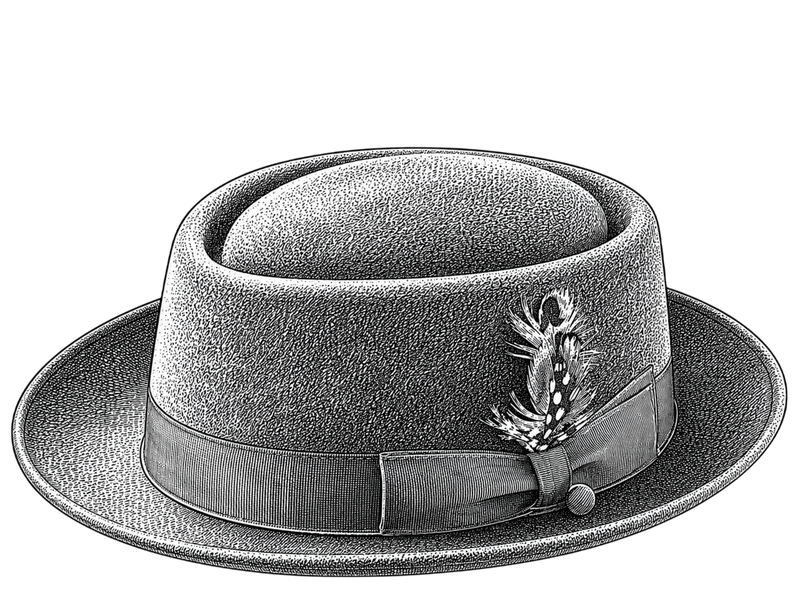
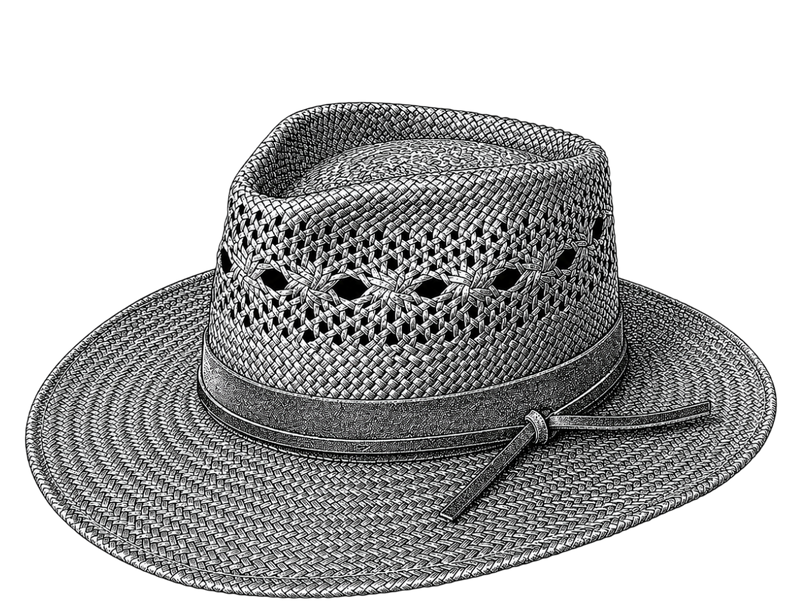
Both are technically "felt." The fiber source changes the felting outcome at a structural level, not just a marketing one.
Fiber Structure Comparison
- Wool fiber: Scaled surface structure, interlocks well under heat/moisture, moderate fineness depending on sheep breed.
- Fur fiber (rabbit/hare): Finer diameter with a more pronounced barbed scale structure, interlocking more tightly and densely during felting.
Fact: Fur fiber's finer diameter and more aggressive scale structure allow it to felt into a denser final material at equivalent thickness compared to wool — the structural reason fur felt commands a price premium and outperforms on water resistance.
Practical Performance Differences
| Property | Wool Felt | Fur Felt |
|---|---|---|
| Density at equal thickness | Lower | Higher |
| Water resistance | Moderate | High |
| Texture | Slightly coarser | Finer, smoother |
| Typical cost | Lower | 30–60% higher |
When the Difference Matters Most
For frequent outdoor wear in variable weather, fur felt's density and water resistance justify the premium. For occasional, primarily indoor or mild-weather wear, wool felt performs adequately at lower cost.
Bottom line: Fur felt's finer fiber structure produces a denser, more water-resistant material — a structural fact, not just a marketing distinction, that explains the price gap.
Frequently Asked Questions
What does "beaver felt" mean, and is it actually made from beaver?
Historically yes; today, usually no. Beaver felt originally referred to hats made from beaver underfur, which produces an exceptionally dense, water-resistant felt. Most modern "beaver felt" hats are made from rabbit or hare fur felt with a beaver-fur coating or finish, or from quality wool-fur blends. The term has become a quality descriptor more than an exact material claim. If you need to know the actual fiber, ask specifically — "beaver felt" on a label is not a precise material specification.
Is the price difference between wool felt and fur felt hats justified?
For regular outdoor use in wet or cold conditions, yes. Fur felt's higher density translates directly to better shape retention under rain, better insulation consistency, and a finer surface texture that weathers more gracefully. For occasional wear or primarily dry-weather use, the performance gap between quality wool felt and fur felt narrows enough that the premium may not be warranted. The decision is weather exposure and intended wear frequency, not prestige.
How do I identify fur felt vs. wool felt in a hat listing?
The listing should state it directly. If it doesn't, check: (1) Price — genuine fur felt hats are typically $80+ for the felt alone to be worth specifying; (2) Surface description — fur felt is typically described as having a noticeably smooth, almost velvety surface finish compared to wool; (3) Water resistance claims — fur felt listings often specifically call out superior water resistance as a differentiating feature. If a listing says "felt" without specifying fiber source, assume wool unless confirmed otherwise.
Related Reading
- Wool vs. Fur Felt Hats: Which Is Worth the Upgrade?
- Inside the Wool Felt-Making Process: From Raw Fiber to Finished Hat
- Can You Wear a Wool Hat in the Rain Without Damaging It?
Shop Hatloom
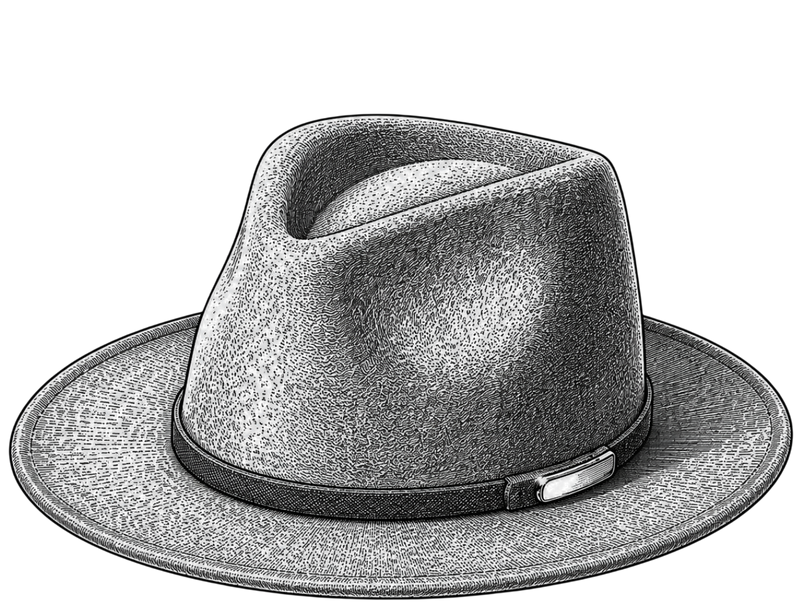
Wool felt and fur felt fedoras with fiber type specified per listing — so the structural comparison in this article translates directly to what you're choosing between.