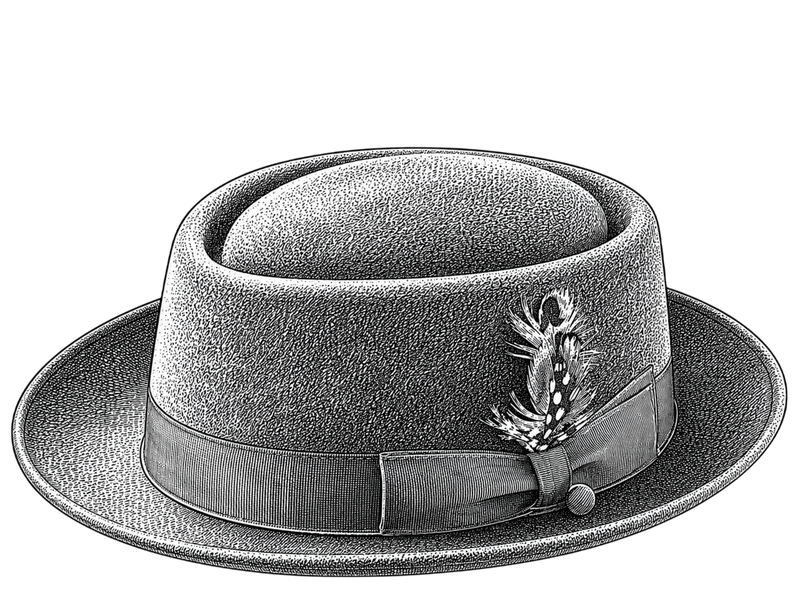
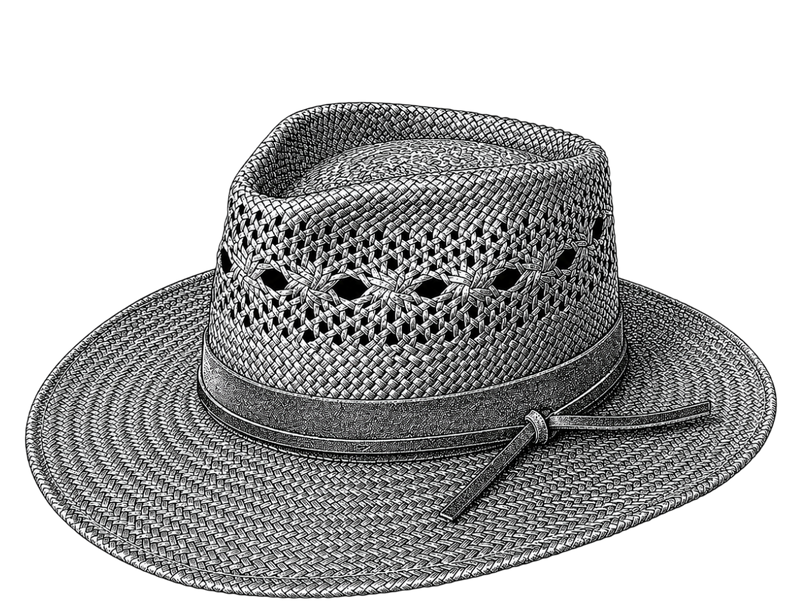
Two hats in the same color can fade at completely different rates. The difference is dye quality and how it was tested before the product ever shipped.
What Color-Fastness Testing Checks
- UV exposure resistance: How much a dye fades under sustained sunlight exposure over time.
- Wash/moisture resistance: Whether color bleeds or fades when exposed to moisture or cleaning.
- Rub resistance: Whether color transfers onto skin or clothing through friction (a common issue with poorly set dyes).
Insight: Dyes that aren't properly set during manufacturing can pass a visual quality check at the factory and still fail under real-world UV exposure months later — which is why testing has to simulate actual use conditions, not just initial appearance.
Fading Risk by Color
| Color Category | Fading Risk |
|---|---|
| Deep, saturated darks (black, navy) | Moderate — can show fading as a visible color shift |
| Bright, saturated colors (red, certain blues) | Higher — more visible fading over time |
| Neutral, muted tones (stone, olive, grey) | Lower — fading less visually obvious |
Bottom line: Color-fastness testing under simulated UV and moisture exposure — not just initial appearance — is what actually predicts whether a hat's color holds up over years of wear.
Frequently Asked Questions
Why do some hat colors fade faster than others, even on the same material?
Dye molecule stability under UV exposure. Bright, highly saturated colors — particularly reds and some blues — use dye molecules with lower inherent UV stability. They absorb strongly in the visible spectrum (which is why they look vivid), but the same molecular properties make them more susceptible to photodegradation from sustained sunlight. Neutral and muted tones use dye molecules with higher UV stability, which is part of why they hold color longer. Material also matters — synthetic fibers typically accept UV-stable dye formulations more readily than natural fibers.
What causes hat dye to rub off onto skin or clothing?
Inadequate dye fixation during manufacturing. After dyeing, fabric must be processed to fix the dye molecules to the fiber — without proper fixation, dye remains on the surface and transfers through contact friction. This is common in poorly manufactured dark-colored hats where deep color saturation was achieved with excess dye rather than proper fixation chemistry. A quick test: rub a white cloth against the inside sweatband area with light pressure. Color transfer on the cloth indicates poor dye fixation.
How can I slow down hat color fading from sun exposure?
Store out of direct sunlight, rotate hats if you wear multiple, and avoid leaving a hat on a surface in a sunny window between wears. If applying any waterproofing spray to a hat, use products that include UV inhibitors, which add a layer of protection against photodegradation. The dye is the primary variable — a well-dyed hat will outlast a poorly dyed one regardless of care — but minimizing unnecessary UV exposure between wears extends the life of any dye quality.
Related Reading
- How to Clean a Wool Felt Hat Without Damaging It
- How to Store a Felt Hat So It Keeps Its Shape
- What Grade of Wool Felt Do We Use, and Why It Matters
Shop Hatloom
Hat colors tested for UV and wash resistance before listing — so the color in the photo reflects what arrives and holds over time.