Women's hat wearing at work is one of the more nuanced dress code questions in contemporary professional life because there are no universal written rules and the unwritten conventions vary dramatically by industry, country, and workplace culture. Getting it right requires understanding what hat wearing signals in professional contexts and how those signals are read differently across different work environments.
The Professional Hat Signal
A hat at work communicates something beyond the hat's aesthetic content. In most contemporary Western workplaces, wearing a hat is a choice that departs from the majority -- most colleagues will not be wearing hats. This departure is read differently depending on the workplace:
- In creative, fashion, or arts-adjacent industries: a hat is a style statement that demonstrates aesthetic personality and engagement with personal presentation. It reads positively in contexts where creative expression is valued.
- In traditional professional industries (law, finance, corporate consulting, healthcare administration): a hat may read as eccentric or as an uncertain professional judgement. In these contexts, presentation conventions are conservative and departures from them draw attention for unclear reasons.
- In client-facing roles: the hat's effect on how clients perceive the wearer is a relevant consideration. In consumer-facing retail, a hat can make a presentation distinction. In formal client services, a hat may be an unexpected element that the client focuses on rather than the service being delivered.

Industries Where Hats Work Well at Work
Fashion and Creative Industries
In fashion, design, advertising, media, and arts organisations, personal style expression is professionally relevant -- it demonstrates aesthetic awareness and engagement with appearance. A well-chosen hat is a positive style signal. There are essentially no restrictions within the range of professional quality and appearance.
Retail and Customer-Facing Roles
In high-end retail, boutique, and style-oriented consumer contexts, a hat can be part of the personal brand that distinguishes the individual salesperson and makes them memorable to clients. In standard retail, a hat may be incompatible with a brand uniform.
Education (University and Post-Secondary)
In academic contexts, personal style expression is broadly accepted. A structured hat in a smart-casual style would be entirely unremarkable among teaching staff at most universities. Primary and secondary school settings may require more conservative professional presentation.
Tech and Startup Environments
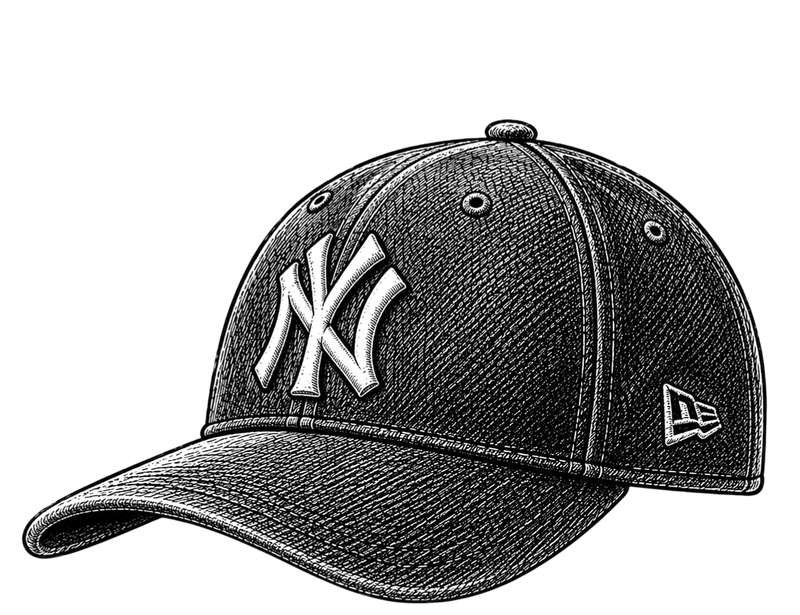
Casual tech and startup workplaces with no dress code often have staff wearing baseball caps as everyday items -- the hat is as normal as any other clothing choice. In these environments, a more structured hat is simply a more interesting version of a common workplace accessory.
Industries Where Hats Require Judgement
Traditional Finance and Law
Conservative suit-dress-code environments where appearance norms are explicit or strongly implied. A hat in this context draws attention for reasons that the wearer must be prepared to navigate -- it will be noticed. Whether it reads as sophisticated or out of place depends on the specific hat's quality and the individual's established professional standing. A very high-quality hat in a neutral, conservative colour may be accepted as evidence of refined style; a fashion-forward or casual hat may read as poor professional judgement.
Healthcare
Clinical environments have hygiene and safety reasons to regulate headwear, and non-clinical administrative roles in healthcare organisations typically follow conservative professional dress norms. A hat in a hospital administration or healthcare management context is unusual enough to be considered carefully.
Practical Guidance for Hat Wearing at Work
Before wearing a hat to work in an unfamiliar professional environment:
- Observe whether any colleagues wear hats -- this gives the most direct signal of what is acceptable
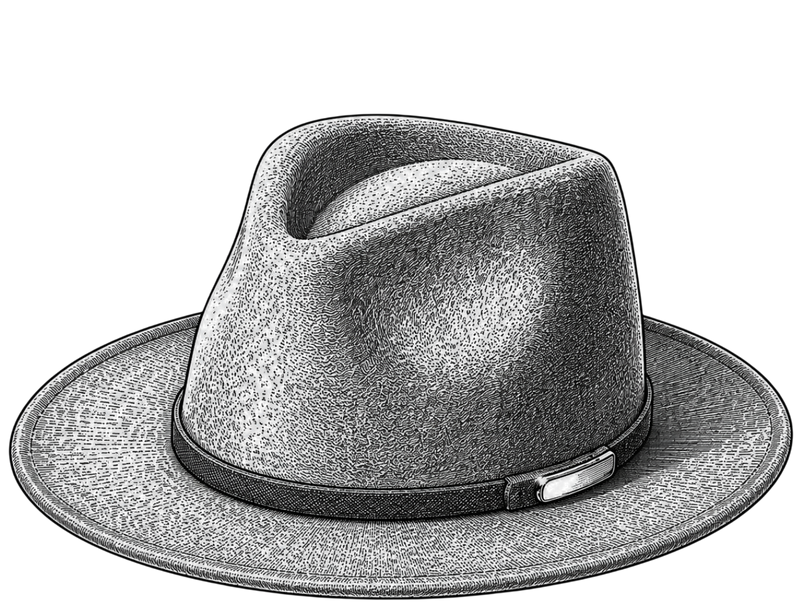
- Start with the most understated hat that achieves the aesthetic effect you want -- a small fascinator or a clean, classic structured hat is easier to introduce in uncertain environments than a dramatic wide-brim or fashion statement piece
- Read the dress code documentation literally -- if it says no headwear, that typically means no hats; if it is silent on the topic, that is a signal of flexibility
Browse classic and professional hat styles suitable for workplace wear at Hatloom.

Frequently Asked Questions
Can I wear a hat to a job interview?
Probably not for most industries. A job interview is a high-stakes first impression event where the conservative approach is generally prudent. The hat is an unexpected element that the interviewer may focus on rather than your qualifications and communication. If personal style is directly relevant to the role being interviewed for (fashion buyer, creative director, stylist), it is more acceptable -- the style statement is part of demonstrating your aesthetic credentials. For most roles, the hat should be left at home for the interview and introduced once hired and the culture is better understood.
Are religious head coverings treated differently from fashion hats at work?
Yes, significantly. Religious head coverings (hijab, dastar, kippah, and others) are protected under religious discrimination law in most Western countries -- employers are legally required to accommodate them except in very specific circumstances. The professional dress code conversation for religious headwear is entirely different from the personal style conversation for fashion hats. If an employer attempts to apply hat restrictions to religious headwear in a country with religious freedom protections, this is an employment law matter, not a dress code matter.
What hat style is most likely to be accepted in a conservative professional environment?
A small, structured, well-made hat in a neutral colour (black, navy, grey, camel) at a modest scale -- not wide-brim, not dramatically fashionable, not casually textured. The nearer the hat is to the formality register of the rest of the outfit, the less it will register as an unusual element. A small, classic fascinator at a meeting where other women wear structured blouses and tailored trousers will be noticed but accepted; a wide-brim straw hat in the same meeting will draw much more attention and raise more questions.
Is there a difference between wearing hats at work in the UK vs the US?
British professional culture has historically been more accepting of women's hat wearing in formal contexts -- the tradition of formal headwear at important events, combined with the British hat culture generally, means hats in professional settings are less unusual than in the US, where hat wearing in professional contexts is rarer and may read as more eccentric. In both countries, the industry-specific conventions described above apply -- creative industries in both countries accept hats readily; conservative industries in both countries require more careful navigation.