Hatloom's short answer: women's hat fashion swung between extremes decade by decade — Edwardian excess, the 1920s cloche, 1930s sculptural minimalism, 1940s wartime invention, 1950s coordination, then mid-century decline and modern revival. Hatloom traces that through-line below, because each era's dominant style reflected women's changing social status, not just taste.
Women's hat fashion is more volatile than men's, which makes its history more dramatic. Men's hat wearing declined slowly and relatively predictably through the 20th century. Women's hat wearing went through cycles of abolition and revival, extravagance and minimalism, that tracked broader cultural moments in women's social status, fashion leadership, and the changing relationship between formal dress expectations and personal expression. Each decade's dominant hat style reflects something larger than aesthetic preference.
The 1900s and 1910s: The Edwardian Era and the Enormous Hat
The late Victorian and Edwardian era produced the largest women's hats in fashion history. Wide-brim hats piled with feathers, silk flowers, ribbons, and even taxidermied birds were not exceptional -- they were the expectation in certain social contexts. The hats were architectural objects that required significant hairpins and structural support to stay in place, and they served as public status displays in an era where women's social presence was heavily mediated through dress and appearance.
The Edwardian hat's excesses directly caused the foundation of bird protection movements in Britain and the United States. The feather trade for hat decoration was responsible for significant bird population declines, and the campaign against 'murderous millinery' led to legislation protecting bird species that is still in effect today.

The 1920s: The Cloche
The 1920s cloche is the most complete single-decade hat dominance in women's fashion history. The close-fitting, bell-shaped hat with minimal or no brim replaced the Edwardian extravagance entirely and was worn by women across class lines throughout the decade. Its close fit required the short bob haircut that was simultaneously the decade's defining women's hairstyle -- hat and hair reinforced each other aesthetically and practically.
The cloche's social meaning was inseparable from the decade's cultural context. It was the hat of the New Woman: the post-suffrage, post-World War One woman who rejected the elaborate self-presentation of the Edwardian era as part of a broader rejection of pre-war femininity's constraints. The hat was simple, clean, and modern -- all attributes that were culturally loaded in the 1920s context.
The 1930s: Sculptural Minimalism
As women's hairstyles began to lengthen in the early 1930s, the cloche's dominance ended. 1930s hat fashion was influenced by Hollywood, which gave it a glamorous rather than political character. The hats of the 1930s were sculptural -- small, carefully constructed forms in felt or silk that were often perched toward the front or to one side of the head rather than pulled low as the cloche had been. This decade produced hat forms that were miniature art objects: pillbox shapes, doll hats, asymmetric constructions with veiling.

The 1940s: Functional and Inventive
Wartime material rationing affected hat production as it affected all clothing, leading to the characteristic 1940s aesthetic of small hats in felt, wool, or whatever materials were available, often with unusual constructions to maximise style with minimal material. The snoods (hair nets) and turbans of the 1940s reflect both material constraints and the practical needs of women entering factory and military support roles where elaborate hairstyles and hats were impractical.
Despite rationing, women's hat creativity in the 1940s was significant -- the constraint produced invention rather than uniformity, and millinery of the period is among the most structurally interesting of any era.
The 1950s: The New Look and Hat Coordination
Christian Dior's New Look (1947) reintroduced full skirts, nipped waists, and formal femininity after wartime austerity, and women's hats of the early 1950s responded with a return to structured, coordinated dressing. Small, structured hats -- pillboxes, toques, small-brimmed styles -- were coordinated with gloves, shoes, and handbags as part of a complete formal outfit. Women's fashion magazines of the period featured hats as essential components of correctly assembled outfits rather than optional extras.
Jackie Kennedy's pillbox hat at John F. Kennedy's inauguration in 1961 is the most iconic single hat of the decade and one of the most recognisable women's fashion moments of the 20th century.

The 1960s and 1970s: The Hat Declines
The same cultural shift that declined men's hat wearing affected women's hat wearing even more completely. The youth fashion movements of the 1960s (Mod, hippie) did not include structured hats as part of their aesthetic, and the feminist movements of the late 1960s and 1970s actively rejected formal dress codes including hat wearing as a symbol of the constraining gender expectations being challenged. Hats became optional in most contexts where they had previously been expected.
The exception was the wide-brim floppy hat, which appeared across hippie and bohemian aesthetics in the 1970s and maintained a continuous presence as casual rather than formal headwear.
The 1980s-Present: Revivals and Individual Choice
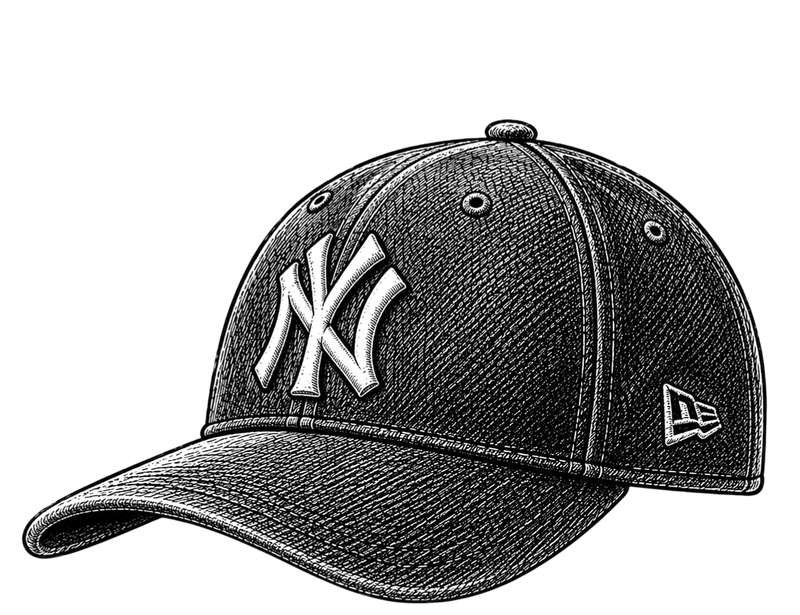
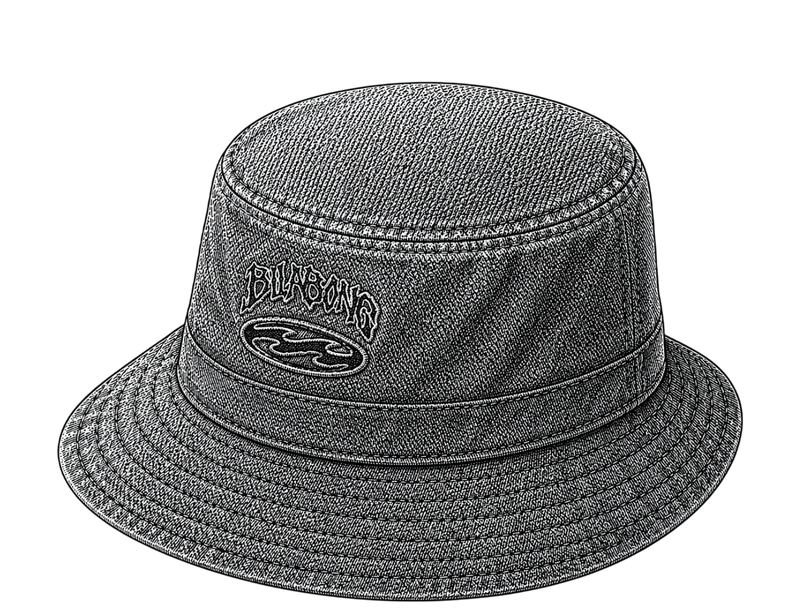
From the 1980s onward, women's hat wearing has fragmented into multiple parallel tracks: formal hats at specific events (British Royal Ascot, weddings), fashion hats that appear in seasonal editorial contexts, and genuinely casual everyday hat wearing (mainly baseball caps, beanies, and bucket hats) that tracks with men's hat wearing trends more closely than historical women's hat fashion did.
Princess Diana's hat wearing in the 1980s brought formal women's millinery back into wide visibility, and the continued visibility of royal occasions in Britain maintains a context where elaborate formal women's hats are still regularly photographed and discussed. Contemporary milliners like Philip Treacy have sustained formal women's hat making as an art form while the broader fashion market has moved toward more casual approaches.
Browse women's hat styles across all categories at Hatloom.

Frequently Asked Questions
When did women stop wearing hats every day?
The shift from everyday mandatory hat wearing to optional hat wearing for women happened primarily in the 1960s in Western countries. Before the 1960s, hats were expected accessories for women in public in most formal and semi-formal contexts -- church, business, shopping in town centres, and any occasion above casual domestic settings. The cultural shifts of the 1960s, driven by youth fashion and feminist movements that challenged formal dress codes, removed this expectation over the course of a decade. By the early 1970s, hats had become optional in virtually all contexts that were not specifically formal occasion dress.
What is the difference between a hat and a fascinator?
The distinction is primarily structural and regulatory. A hat has a substantial crown that sits on the head and covers part or all of the skull, typically with a brim of some kind. A fascinator is a headpiece -- decorative material (fabric, feathers, netting, flowers) attached to a base clip or comb and worn perched on the head without covering it. Fascinators became standard at formal British occasions partly because rules at specific events (most famously Ascot) require a hat with a specific minimum brim width, and fascinators that do not meet the definition have occasionally been prohibited. In general British social use, both terms describe formal headwear for occasions, and many pieces sit ambiguously between the two categories.
What women's hat style should be worn at Royal Ascot?
The Royal Enclosure at Royal Ascot (the most prestigious section of the racecourse) has a formal dress code that specifies hats must have a base of at least 4 inches (approximately 10 cm) in diameter -- a rule introduced in 2012 after the proliferation of small fascinators that were deemed inconsistent with the enclosure's formal character. Beyond this minimum, the tradition at Ascot favours elaborate, architecturally interesting millinery -- wide brims, sculptural constructions, statement pieces that function as fashion objects in their own right. The Ascot hat has developed its own subgenre of women's millinery, with a dedicated annual season of commission work from London milliners.