Autumn is the hat season that most women either get exactly right or completely miss. The weather that requires a hat, the clothing weight that provides a context for it, and the color palette that makes hat choices interesting all converge in the September-to-November period. The women who wear hats well in autumn are typically those who have specific hats for the season rather than extending summer options or reaching too early for winter styles.
The Autumn Hat Opportunity
Autumn provides specific advantages for hat wearing that other seasons do not:
- Temperature justification: Morning and evening cold justify head covering without the intense cold that makes warmth the only priority. The hat can be both functional and stylish.
- Colour palette: Autumn clothing colours -- rust, deep green, burgundy, camel, chocolate brown -- are among the most hat-complementary palettes of the year. Rich earth tones and warm neutrals work with a far wider range of hat colours than the pastels of spring or the darks of winter.
- Textural richness: Autumn clothing materials (wool, tweed, heavy cotton, knit) create visual contexts where hat materials (felt, wool, structured straw) read as coherent rather than as seasonal contrasts.
Autumn Hat Styles for Women
Felt Fedora
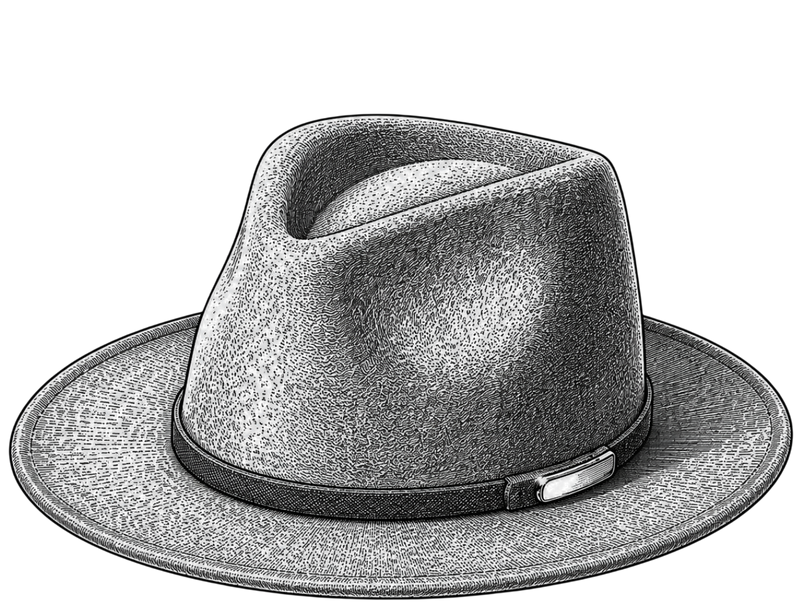
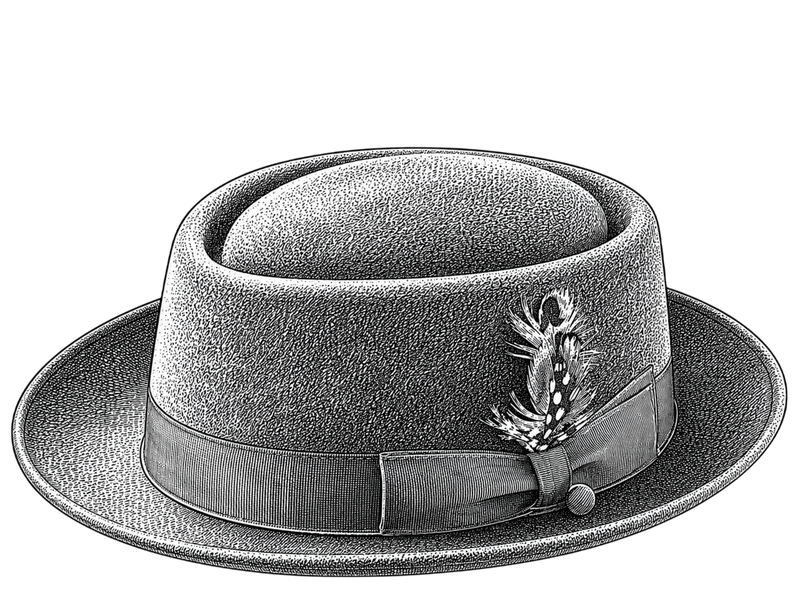
The felt fedora is the primary autumn hat for women -- versatile enough to work from the first cool September days through cold November, appropriate across casual to semi-formal contexts, and available in the warm earth tones that are the natural autumn palette.
Autumn fedora colours that work: camel, cognac brown, deep burgundy, warm rust, olive green, dark forest green, navy. All of these sit within the warm colour family that characterises autumn dressing. A single well-chosen felt fedora in one of these colours functions across the full autumn season.
Proportion guidance: a medium-brim fedora (6-8 cm) is the most versatile autumn choice. It provides brim protection against light autumn rain without the management requirements of a very wide brim. Crown height of 9-11 cm creates the vertical line that looks strong against the heavier autumn clothing silhouettes.
Wool Flat Cap
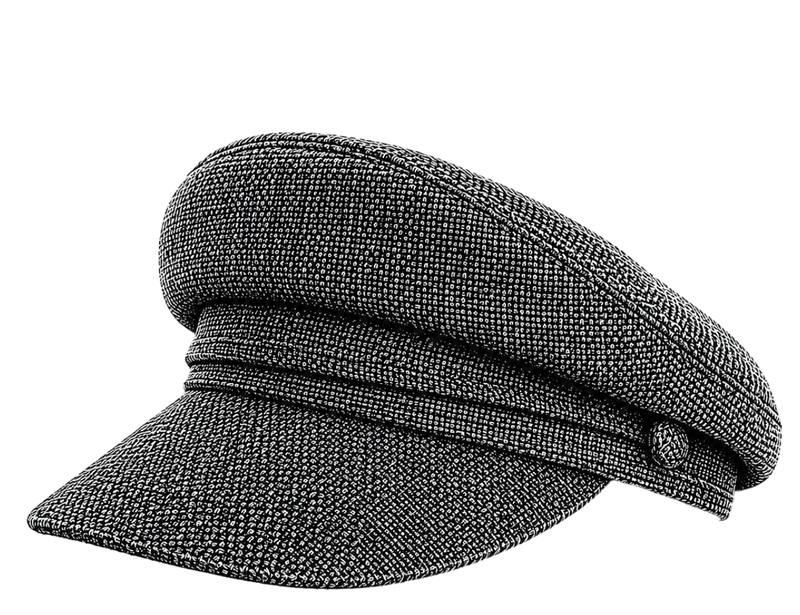
A flat cap in wool herringbone, tweed, or a wool-blend fabric is the most natural autumn hat for casual and smart casual contexts. The heritage of the flat cap is autumn-appropriate; the wool material is correctly weighted for transitional weather; and the compact structure avoids the brim management issues that can make wider-brim hats impractical in city walking conditions.
Women's flat caps are often cut with a slightly less deep front-to-back measurement than men's, which sits more naturally on female head proportions. When choosing a flat cap, prioritise fit to the specific head measurement over defaulting to S/M/L sizing.
Wide-Brim Felt Hat (Early Autumn)
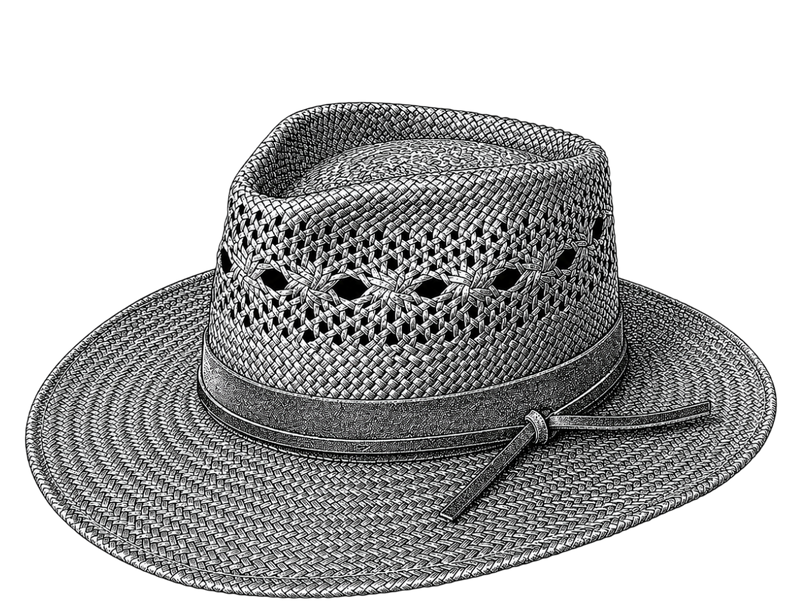
In September and early October, when the weather still permits and outdoor occasions -- harvest events, outdoor dining, country walking -- are part of the calendar, a wide-brim felt hat (10-12 cm brim) provides sun protection that is still occasionally relevant while introducing the autumn material register. The wide-brim felt reads as more dramatic than the fedora and suits occasions where the hat is a visible style element rather than simply a functional covering.
Structured Knit (October-November)
As temperatures drop into consistent single digits (Celsius), a structured knit hat -- a fine-gauge merino or cashmere beanie or knit tam -- becomes relevant. The key for women who want the hat to function as style as well as warmth: choose a structured knit rather than a floppy one, and choose a colour from the autumn palette rather than a neutral that has no relationship to the season. A deep burgundy fine-knit beanie with a camel coat reads as autumn dressing; a gray synthetic beanie with the same coat reads as cold-weather compliance.
Beret (Year-Round, Peak in Autumn)
The wool beret has a particular affinity with autumn dressing that is difficult to explain rationally but consistent in practice. The beret's French cultural heritage connects most naturally with the autumn fashion calendar; its weight and material are most comfortable in cool rather than cold or warm conditions; and the earth-tone autumn palette produces the most appealing beret colour opportunities of the year. An olive wool beret with a rust knitwear and camel coat is an autumn composition that does not require conscious coordination to work.
Autumn Hat Colours: An Expanded Palette
Autumn expands the hat colour range available without requiring careful outfit justification:
New options in autumn (less appropriate in other seasons):
- Deep burgundy: too rich for spring, too dramatic for winter as an everyday colour, exactly right in autumn
- Rust and terracotta: seasonal-specific colours that look dated in other seasons but read as current and appropriate in autumn
- Olive and warm military green: the autumn green family works in September-November and recedes in other seasons
- Cognac and dark camel: warm enough for autumn tones, not as heavy as the chocolate browns that work better in deep winter
Autumn Hat Care: Transitional Requirements
Autumn brings specific care considerations that summer hats did not require:
Rain management: Autumn rain is more frequent than summer rain. A felt hat worn in autumn will regularly encounter light rain. Quality wool felt sheds light rain without damage; allow the hat to dry at room temperature in the correct position after wet exposure. Do not store a wet felt hat in a box -- allow full drying first.
Sweatband care: The transition to hats worn with warm autumn clothing means the sweatband begins working again after a possible summer break from felt hat wearing. Clean the sweatband at the start of the season to remove any storage dust.
Storage of summer hats: Autumn is the moment to store summer straw hats properly. Dust before boxing, store crown-up with tissue in the crown, in a dry location. Do not compress.
Find wool fedoras, flat caps, and felt hats in autumn-appropriate colours in the Hatloom women hat collection.
Frequently Asked Questions
When should women transition from summer to autumn hats?
When the morning temperature is consistently below 15 degrees Celsius and the clothing has shifted from summer weight to autumn weight. This is a wardrobe transition rather than a calendar date -- some Septembers remain warm enough for summer hats into the last week; some years the transition happens in August. The hat should follow the clothing: when the clothing shifts to autumn weight, the hat should shift to autumn material and colour as well. A straw hat with a wool coat reads as seasonally inconsistent regardless of the calendar date.
What is the best hat for an autumn wedding?
A quality felt hat in a colour coordinated with the outfit -- burgundy, warm camel, deep navy, or cognac brown are all strongly appropriate for autumn wedding hats. The formality of the wedding determines the hat structure: formal weddings suit a structured occasion hat or wide-brim felt hat; smart casual outdoor weddings suit a classic fedora; semi-formal settings suit either. The autumn colour palette is actually advantageous for wedding hat selection -- the rich tones photograph well and distinguish the hat from the more common pastels of spring weddings.
Can women wear flat caps in autumn?
Absolutely. The flat cap is one of the best autumn hat choices for women -- it is proportionally appropriate for the season (compact enough not to compete with bulkier autumn clothing), available in classic autumn materials (tweed, herringbone, wool), and reads as heritage personal style that is particularly coherent in autumn contexts. Women's flat caps work from casual daily wear to smart casual autumn occasions without requiring specific styling effort.
What hat works with a trench coat in autumn?
The felt fedora is the most historically coherent pairing -- the fedora and trench coat have co-existed as the defining city outdoor ensemble for 80 years. A camel or cognac fedora with a classic beige or camel trench coat creates a monochromatic autumn combination; a dark burgundy or charcoal fedora against a camel trench creates a warm-against-warm contrast. Both work. The beret is also excellent with the trench coat, particularly in a contrasting autumn colour. The flat cap works with a trench coat in a more casual register.
Are berets appropriate for autumn or only summer and spring?
Berets work across autumn, winter, and spring -- the warmer months are the limitation rather than the cooler ones. A wool or felt beret in an autumn colour is one of the most wearable and versatile cold-weather hat choices for women: it adds warmth, suits most face shapes when tilted appropriately, reads as stylish rather than merely functional, and works across a range of clothing from casual to smart casual. The summer exception: a linen or fine cotton beret can work in mild summer evenings, but the beret is more at home in the cooler half of the year.