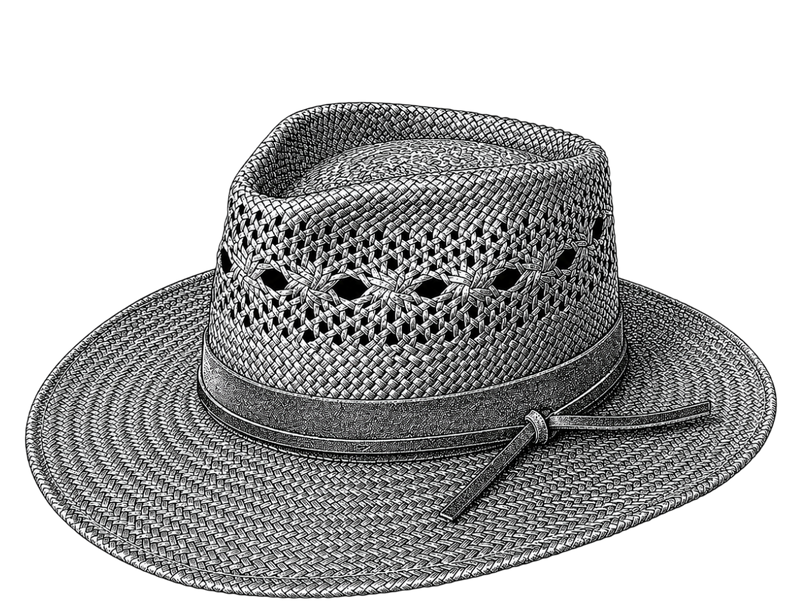
Breathability is determined by weave structure, not material thinness. A thick handwoven straw hat outperforms a thin synthetic fabric hat in hot weather because of airflow through the weave gaps, not despite the material weight.
How Breathability Actually Works
Physical gaps in the weave allow air to circulate directly through the hat's crown. A finely woven material with no gaps — regardless of how thin it is — creates a sealed layer that traps heat. This is why handwoven straw outperforms most fabrics in hot climates despite being structurally heavier than a thin cotton cap.
Key distinction: Thin does not mean breathable. Woven gap structure does.
Materials Ranked by Breathability
| Material | Breathability | Best For |
|---|---|---|
| Handwoven straw (toquilla/sennit) | Highest | Hot, dry climates; sun protection |
| Linen | High | Humid heat; absorbs and releases sweat |
| Cotton (loose weave) | Medium-high | General warm weather |
| Mesh-back cap | High (rear ventilation) | Active wear, partial sun coverage |
| Polyester/nylon | Low-medium | Rain resistance, not heat performance |
Does Hat Color Matter?
Yes, as a secondary variable. Darker colors absorb more solar radiation, heating the outer surface and adding heat through conduction even in breathable materials. In direct sun, the same straw hat in white versus black can feel meaningfully different. Material and weave structure remain primary; color is secondary but real.
Bottom line: Choose straw or linen in hot sun, mesh-back for active wear. Maximize gap structure and choose lighter colors in direct sun.
Frequently Asked Questions
What is the most breathable hat material available?
Genuine handwoven straw — toquilla (Ecuador) or sennit (Pacific tradition) — provides the highest airflow of any common hat material due to physical gaps in the weave allowing direct air circulation through the crown. For fabric hats, lightweight linen is the closest equivalent in breathability and moisture management in humid heat. Cotton in a loose weave comes third, followed by mesh. Polyester and tightly woven synthetics are the least breathable despite often being marketed for performance wear.
Does hat color affect how hot it feels in direct sun?
Yes, meaningfully. Darker colors absorb more solar radiation, heating the hat surface and reducing effective comfort by adding a heat source at the outer surface. In direct sun, a light-colored hat in the same material can feel noticeably cooler than a dark version. The material's weave structure remains the primary breathability factor; color is a secondary but real thermal variable — especially relevant for straw and linen hats worn during extended outdoor exposure.
Are mesh-back caps as breathable as straw hats in hot climates?
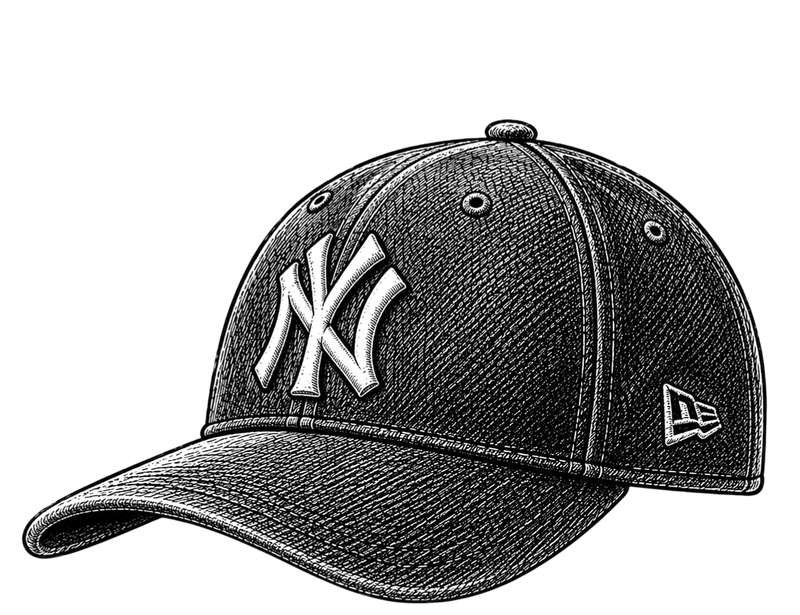
Comparable in airflow but different in UV protection. Mesh-back caps provide excellent rear-head ventilation but offer limited UV protection through the mesh itself and no overhead shadow coverage beyond the brim. Straw hats provide airflow through the crown weave plus full overhead shadow coverage — better for stationary direct sun (beach, garden) but less suited to high-activity wear where the cap's bill orientation and secure fit matter more. For running or active outdoor sports in heat, mesh caps are the practical choice.
Related Reading
- Sun Protection Hats: The Complete UPF Guide for Men & Women
- Panama Hat vs. Straw Boater: Which Holds Up Better in Summer Heat?
- Wide Brim Sun Hats: Which Actually Block UV Rays (Tested)
- Straw Hat vs. Wool Hat: Which Season Dictates Your Next Purchase?
Shop Hatloom
Straw hats and sun hats in toquilla, seagrass, and paper straw weaves — with crown weave type and UPF rating specified so you can match material to climate before you buy.