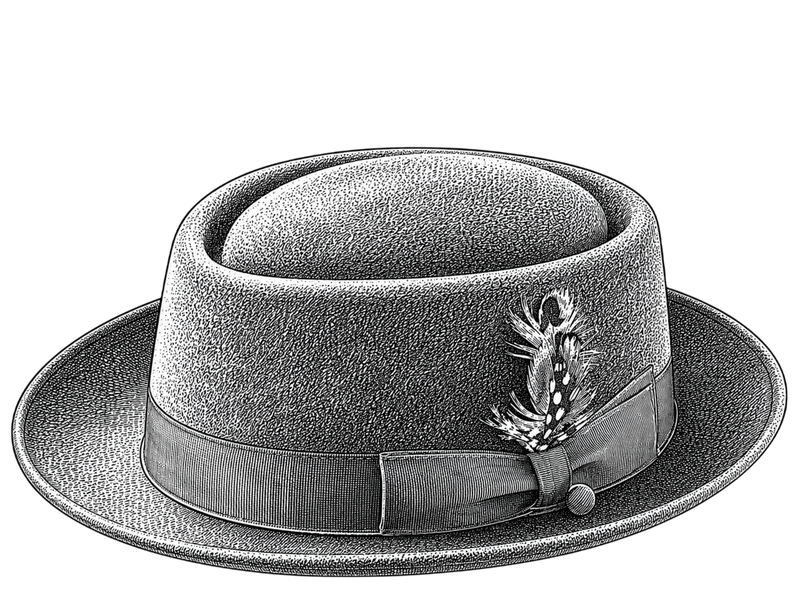
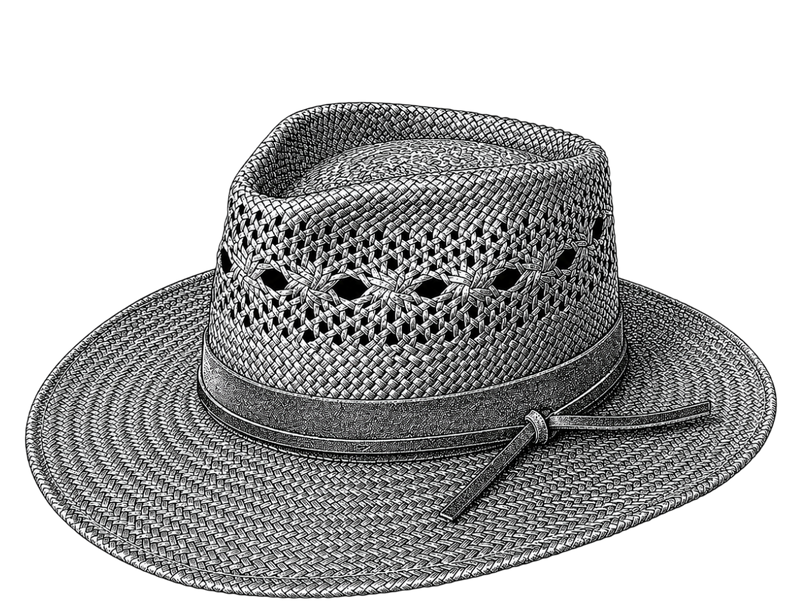
From three feet away, the two can look identical. Up close and over time, the differences become obvious and largely irreversible.
Key Differences
- Texture: Genuine leather has irregular, organic grain patterns. Faux leather often shows a repeating, overly uniform texture pattern.
- Aging behavior: Genuine leather develops a patina and softens over time. Faux leather (PU/PVC-based) tends to crack or peel as it ages, without softening.
- Smell: Genuine leather has a distinct natural scent. Faux leather often has a faint chemical or plastic smell, especially when new.
Fact: Faux leather's cracking failure mode — visible surface splitting after repeated flexing — is structural to its synthetic coating layer separating from its backing, a failure mode genuine leather doesn't share since it's a single organic material throughout.
Comparison Table
| Factor | Genuine Leather | Faux Leather |
|---|---|---|
| Aging | Softens, develops patina | Cracks, peels |
| Cost | Higher | Lower |
| Sustainability consideration | Animal-derived | Petroleum-derived, but animal-free |
Bottom line: Genuine leather ages by softening; faux leather ages by cracking. Neither is universally "better" — the right choice depends on durability needs and material values.
Frequently Asked Questions
How can I tell genuine leather from faux leather on a hat trim without testing it?
Three quick checks at purchase: (1) Texture regularity — genuine leather has organic, slightly irregular grain; faux leather often has a perfectly repeating pattern. (2) Edge appearance — genuine leather cut edges show natural fiber layers; faux leather edges often show a smooth synthetic backing with a thin coating layer. (3) Smell — genuine leather has a natural, slightly earthy scent; faux leather often smells faintly chemical or plastic, especially when new. No single test is definitive, but all three together give a clear picture.
Which lasts longer on a hat trim — genuine or faux leather?
Genuine leather, substantially. Faux leather (PU or PVC base) has a synthetic coating layer bonded to a fabric backing. Repeated bending and sweat exposure causes the coating to separate and crack — a failure mode that typically begins within 2–4 years of regular wear. Genuine leather flexes without cracking, darkens and softens with use, and can last for decades with minimal care. For a hat you intend to wear long-term, genuine leather trim is significantly more durable.
Is faux leather ever the better choice for a hat trim?
Yes, in two scenarios: (1) animal-free materials preference — genuine leather is animal-derived while most faux leather uses synthetic bases; (2) budget sensitivity where you want the visual aesthetic without the cost premium. For durability and aging quality, genuine leather is unambiguously better. For values alignment or cost, faux leather is a reasonable trade-off if you're aware of its aging failure mode and plan accordingly.
Related Reading
- How to Clean a Wool Felt Hat Without Damaging It
- How to Store a Felt Hat So It Keeps Its Shape
- Wool vs. Fur Felt Hats: Which Is Worth the Upgrade?
Shop Hatloom
Hat listings with leather trim specify material type so you know exactly what you're getting — genuine or faux — before purchase.