A beach wedding creates a dress code problem that most guests solve incorrectly. They choose headwear based on what looks good in a mirror indoors — then spend the ceremony holding their hat against wind, squinting into direct sun, or watching a $200 straw brim fold from humidity. The beach is a specific environment, and it demands specific choices.
The Environmental Reality of a Beach Wedding
Before choosing any hat for a beach wedding, understand what the hat will actually face:
- Wind: Coastal environments are almost always windy. An unsecured hat will require constant management or will be lost. This is not a peripheral concern — it is the primary functional challenge.
- Direct sun: Ceremonies typically occur outdoors, often in peak afternoon sun. Sun protection is both a health and comfort issue across a 2–4 hour event.
- Humidity: Salt air and coastal humidity affect certain hat materials more than others. Natural straw hats can soften in very high humidity; structured felt is inappropriate in most beach contexts entirely.
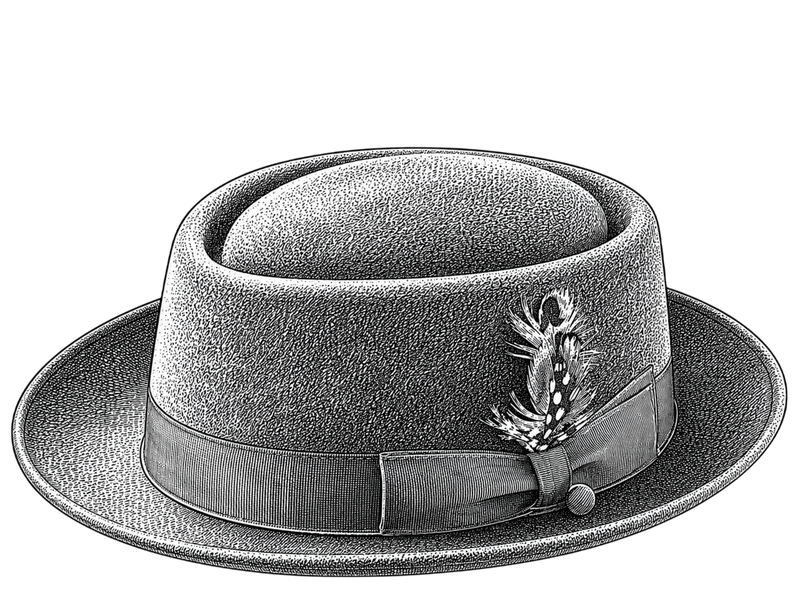
- Sand and informality: The setting is inherently more casual than an indoor venue. Highly structured, formal hats (pillbox, structured fascinator, rigid boater) can read as mismatched to the environment.
- Photography: You will be in photographs. Wind-affected hats, sun shadows across faces, and awkward hat-management body language are all captured.
The Dress Code Spectrum
Beach weddings span a significant formality range. The hat choice should be calibrated to the specific event:
- Casual beach ceremony (sundresses, linen, sandals): Wide-brim straw hat, sun hat, or no hat. Relaxed materials and natural tones.
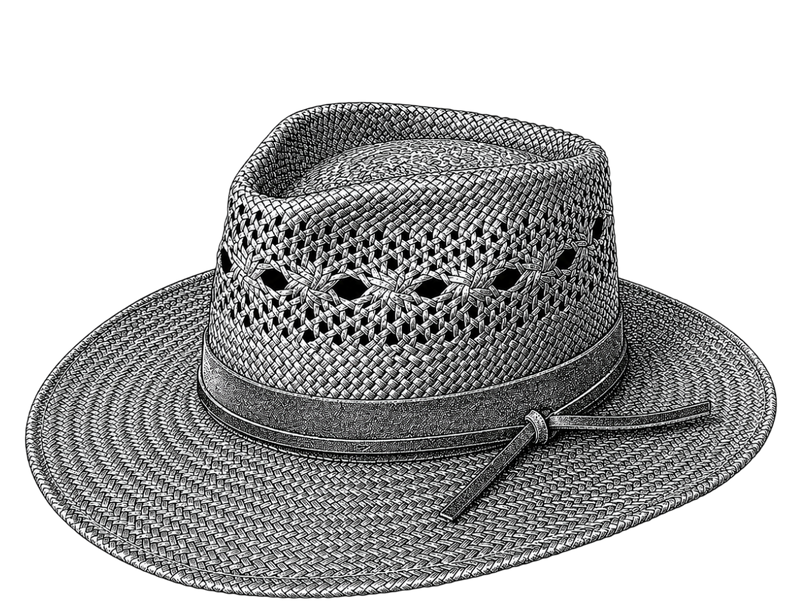
- Smart-casual beach (midi dresses, linen suits, heeled sandals): Fine-weave straw hat with a grosgrain or ribbon band. Panama-style or raffia with a cleaner finish. Structured enough to read as intentional.
- Formal beach or tropical formal (cocktail attire, fascinators, suits): A fine-weave natural straw hat with a dressed-up band treatment, or a structured sinamay fascinator. Avoid felt entirely in warm beach contexts.
Best Hat Choices for Female Guests
Wide-Brim Natural Straw Hat
The strongest choice for most beach wedding contexts. A wide brim (8–11 cm) provides genuine sun protection throughout the ceremony and reception. Natural straw in cream, natural, or sand tones works with virtually every dress color.
Critical detail: Choose a hat with an interior chin tie or add one. In coastal wind, a chin tie is not optional — it is what separates a hat you wear from a hat you carry. A silk or satin ribbon chin tie adds minimal visual weight while making the hat wearable in wind.
Avoid: Very loosely woven raffia or paper braid at a smarter beach wedding — these materials read as casual and can distort in coastal humidity. A tighter-weave natural straw (toquilla, seagrass, fine raffia) is more appropriate for formal-leaning events.
Panama-Style Hat (Fine Weave)
A fine-weave Panama or toquilla straw hat elevates the beach wedding look toward a more deliberate, polished choice. The tight weave reads as more formal than loose straw. A colored or embellished hatband — grosgrain, silk, or a floral trim — dresses the hat appropriately for a wedding context without overworking the look.
Sinamay or Straw Fascinator
For formal beach weddings where headwear is expected as part of the dress code — destination weddings with a British or Caribbean formal influence — a sinamay fascinator provides appropriate formality without the heat retention of a full-coverage hat. Secured with a comb or clip rather than sitting freely on the head, a fascinator is also more wind-resistant than a full hat.
Woven or Embellished Headband
At casual beach ceremonies, a woven headband or embellished hair accessory covers the hat category without the wind management challenge of any brimmed hat. Not a hat, but a practical acknowledgment that the environment may make hats impractical for guests who want full attention on the ceremony rather than their headwear.
Best Hat Choices for Male Guests
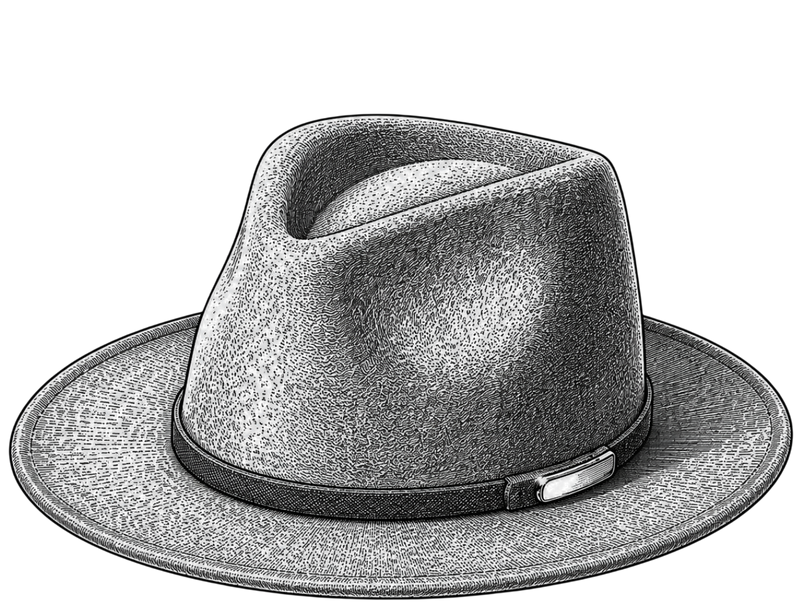
Panama or Fine Straw Fedora
A Panama hat or fine-weave straw fedora in natural or cream is the strongest male guest hat choice for a beach wedding. It reads as considered and appropriate to the environment. Worn with a linen suit or lightweight tailored trousers and a guayabera or structured shirt, it completes the look.
Brim position: Wear the brim flat or with a very slight angle — a sharply snapped brim reads as overly fashion-focused in a wedding guest context. The hat should complement the outfit, not dominate it.
Straw Boater
A boater — flat-topped, flat-brimed straw hat — is the most formally appropriate straw hat for a smart-to-formal beach wedding. Its rigid structure reads as intentional and its flat geometry photographs well. The limitation is wind: a boater with a flat brim catches wind significantly. A hat band with an optional chin tie is essential.
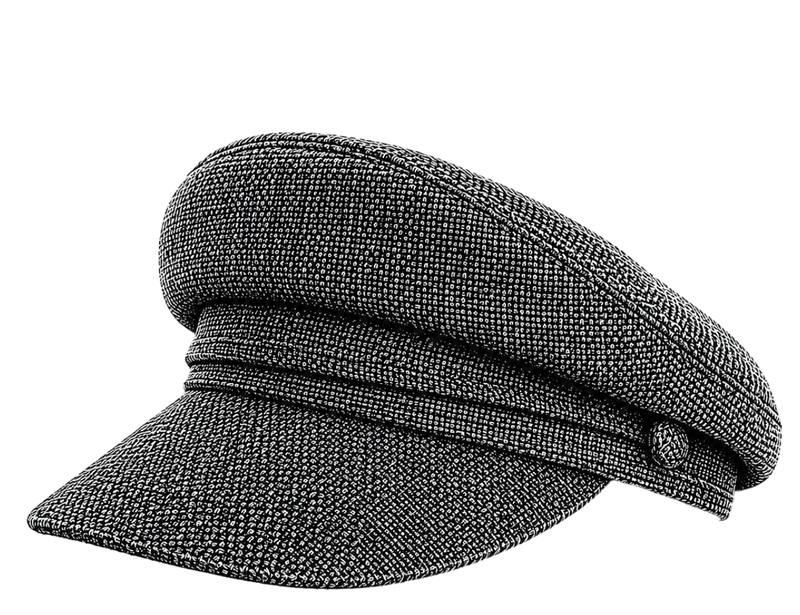
Linen Flat Cap
At casual beach ceremonies, a linen or cotton flat cap provides a practical, stylish alternative to brimmed straw. Less formal than a straw fedora, more deliberate than no hat. Works well with a linen suit or resort-casual separates.
Colors and Coordination
Safe choices: Natural straw, cream, ivory, and sand tones work universally — they do not compete with any dress color and read as appropriate to the beach environment.
Consider: A hat band in a color that echoes a dress or accessory detail. A navy or dusty sage ribbon on a natural straw hat, for example, coordinates without matching too literally.
Avoid: White hats as a female guest (competition with the bride is a dress code convention, not a myth). Very dark hat colors — black, charcoal — in hot beach environments, both for heat absorption and formality mismatch.
Practical Pre-Event Preparation
- Treat natural straw with water-repellent spray at least 48 hours before the event. Coastal humidity and the possibility of a brief shower require it.
- Add a chin tie if your hat does not have one. A length of ribbon or silk cord threaded through the interior band is sufficient. Test it in outdoor wind before the day.
- Wear the hat at home before the event. The fit must be confirmed with whatever hairstyle you plan to wear. A hat that fit at purchase may not fit over a specific updo or style.
- Know where the hat goes during the reception. At seated dinners and indoor portions of the reception, a hat may need to be removed. Plan where it will be stored without damage.
Find natural straw hats and fine-weave summer styles suited to formal and casual beach occasions in the Hatloom collection.
Frequently Asked Questions
Can I wear a hat to a beach wedding as a guest?
Yes — at most beach weddings, a hat is appropriate and often expected, particularly for female guests. The key is choosing a hat suited to the environment: natural straw rather than structured felt, with a chin tie or securing mechanism for wind, in a color that does not compete with bridal white or ivory.
What color hat should I avoid at a beach wedding?
White and ivory as a female guest, to avoid visual competition with the bride. Very dark hat colors (black, charcoal) are mismatched to beach environments — both in terms of heat absorption and formality register. If the dress code specifies dark colors, a dark hatband on a natural straw hat is a more appropriate compromise than a dark felt hat.
How do I keep my hat on at a beach wedding?
A chin tie is the most reliable solution — a ribbon or cord threaded through the interior band and tied loosely under the chin. Hat pins secure hats to hair for styles with enough hair volume to anchor them. Correctly sized hats (fitting snugly on the head without movement) also resist wind better than loose-fitting options.
What type of hat is appropriate for a formal beach wedding?
A fine-weave toquilla or Panama straw hat with a grosgrain or ribbon band, or a sinamay fascinator for guests where formal headwear is part of the dress code. A boater hat is the most formally appropriate brimmed option in straw. Avoid felt hats entirely in warm beach environments — they are both uncomfortably warm and register as contextually inappropriate.
Is it rude to wear a wide-brim hat to a beach wedding ceremony?
A wide brim (8–11 cm) is entirely appropriate at an outdoor beach ceremony — it is often practically necessary for sun protection. Consider the sight lines for other guests: a very wide brim in a middle or front-row seated position may obstruct views for people behind you. Position toward the end of rows or the back if wearing a particularly wide-brim style.