Hatloom's short answer: a visor is a brim with no crown — Hatloom recommends it for hot, high-intensity sport where ventilation and hair visibility matter, and advises against it whenever scalp UV protection or warmth is the priority, since the open top leaves the scalp fully exposed.
The visor is the hat with no crown -- a brim attached to a headband with no material covering the top of the head. This makes it the most specialised hat form available: its single design property (forward brim without crown coverage) solves one specific problem (sun shading of the face and eyes) and creates one specific limitation (no scalp protection). The visor's appropriateness as a hat choice depends almost entirely on which of these is more important in the context you are wearing it.
What the Visor Does
A visor's forward-projecting brim shades the eyes and forehead from overhead and angle sun. This function is identical to a baseball cap's visor, but the absence of a crown means:
- The top of the head receives no shade or coverage -- the scalp is exposed to full overhead UV
- The hat creates no heat retention at the crown -- the open top allows maximum air circulation, which is advantageous in hot, physically demanding conditions
- The hat does not disturb hairstyles in the way a full cap does -- the hair on top of the head remains visible and undisturbed, which matters in tennis, golf, and similar sports where appearance during play is considered
The visor trades crown coverage for ventilation and hair preservation. This is a good trade in specific conditions and a poor trade in others.

When a Visor Is the Right Choice
High-Intensity Sport in Hot Conditions
The visor was developed primarily for tennis -- a sport played in direct sun, with significant physical exertion, and with a culture of appearance during play. The visor provides the eye shading needed for outdoor sports without the heat buildup of a closed crown. In sustained, physically intense outdoor sport (tennis, pickleball, running, cycling where a visor is used under a helmet), the open crown's ventilation advantage is genuine.
When Hair Condition Matters
In contexts where a player wants their hair to remain visible, styled, and undisturbed, the visor is the appropriate choice because it makes no contact with the top of the head. A full cap flattens hair against the head and creates 'hat hair'; a visor does neither. This is a significant factor in sports with visible broadcast coverage and in golf, where norms around appearance during play are more prominent than in most other sports.
Short Outdoor Activities
For activities of short duration (a few hours) in conditions where scalp UV exposure is not a primary concern (overcast days, partial shade, lower UV index), the visor's face and eye shading is adequate without crown coverage being necessary.
When a Visor Is Not the Right Choice
Significant UV Exposure
The visor provides zero scalp sun protection. For people with thinning hair, no hair, or for anyone spending extended time in direct high-UV conditions, the visor's absence of crown coverage is a meaningful limitation. Scalp skin cancer is a genuine concern that increases with hair loss and cumulative sun exposure -- the visor actively leaves the scalp exposed. In these conditions, a full cap or hat with crown coverage is more appropriate.
Casual or Non-Sport Contexts
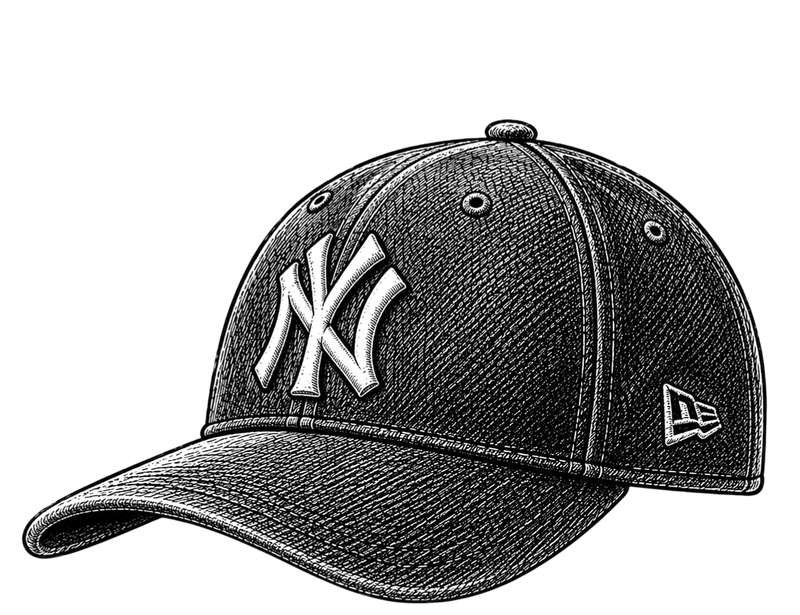
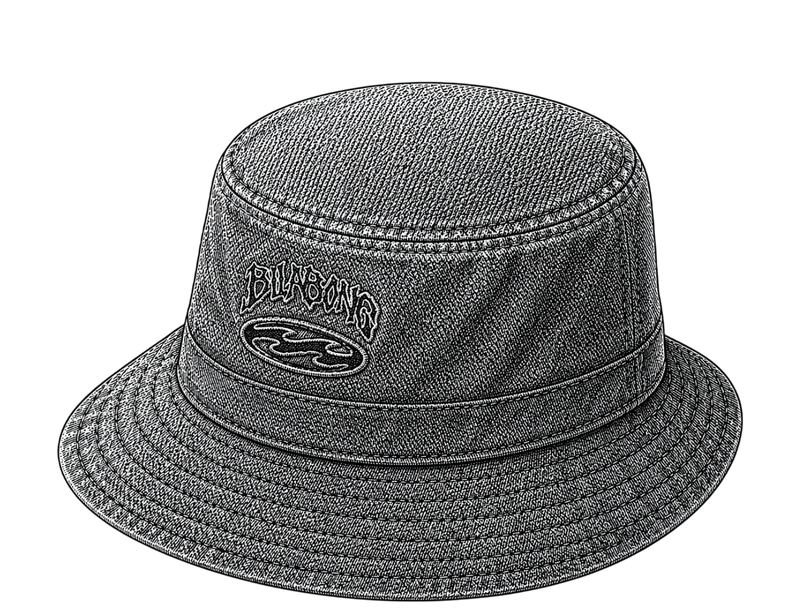
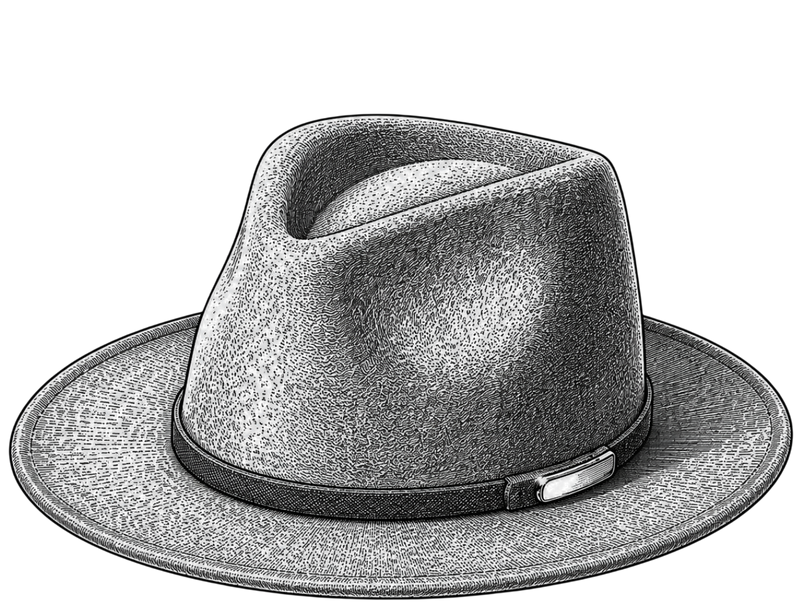
The visor is strongly associated with sport and outdoor recreation contexts. Outside these contexts -- in casual, fashion, or formal situations -- a visor reads as borrowed athletic wear rather than as a hat choice that suits the context. A fedora, bucket hat, or baseball cap would be more appropriate in most non-sporting contexts where a hat is desired.
Cold Weather
The visor provides no head warmth. In cool or cold conditions, the open crown means a visor provides no thermal benefit. A full hat of any kind is more appropriate than a visor when warmth is a consideration.
Visor Styles
Visors exist in several styles within the category:
- Standard sport visor: a curved forward brim on an adjustable headband, in polyester or nylon. The default form, seen in tennis and golf contexts
- Wide-brim visor: a wider brim (8+ cm) that provides more facial shade. Worn in golf and running contexts where maximum face shade is desired without a full hat
- Flat-brim visor: the visor in the flat-brim style borrowed from contemporary baseball cap fashion. Worn in streetwear contexts, borrowed from the athletic visor but worn as a fashion item
- Sun visor with neck flap: a visor with an additional neck-covering flap for outdoor activities in high UV conditions. Combines the visor's ventilation advantage with some neck protection
Browse visors, wide-brim sun hats, baseball caps, and outdoor hat styles at Hatloom.

Frequently Asked Questions
Is a visor better than a baseball cap for running?
In hot conditions where ventilation is the priority, a visor has an advantage because the open crown allows significantly more air circulation than a closed cap, which helps with thermoregulation during sustained running. For sun protection, the visor protects the face and eyes but not the scalp -- if scalp UV protection matters (particularly for runners with thinning hair or who run for extended periods in high UV conditions), a baseball cap with a solid crown provides better overall UV protection despite the slight ventilation disadvantage. For cold running conditions, a visor provides no warmth; a cap is preferable. Most runners in moderate conditions and with a full head of hair find a visor the more comfortable running option in warm weather.
Why do tennis players wear visors instead of caps?
Tennis visors became standard in the sport through a combination of functional and cultural factors. The ventilation advantage of the open crown is real in a high-intensity sport played in sun; the hair visibility factor matters in a broadcast sport where appearance during play is more considered than in sports where players wear helmets; and the visor became established as the tennis-specific hat form early enough that it became part of the sport's visual identity. Once a particular style becomes associated with a sport, it tends to self-perpetuate through social norms and visible role models wearing the established choice.
Can women wear visors as everyday fashion?
Visors appear in fashion contexts periodically, typically in association with 1990s and Y2K revival fashion that includes the colourful sport visor as a retro-nostalgic element. In these contexts, a visor in a distinctive colour or material worn with casual or streetwear outfits works as a deliberate fashion choice. Outside revival trend moments, a visor in a fashion context reads as athletic crossover -- it works if the outfit context supports an athletic or sporty aesthetic, and is out of place in more formal or purely casual non-athletic contexts.