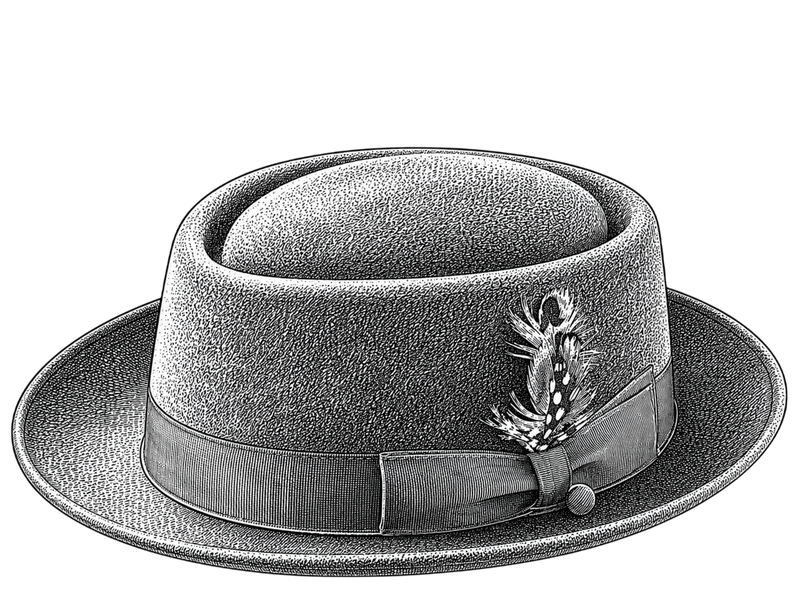
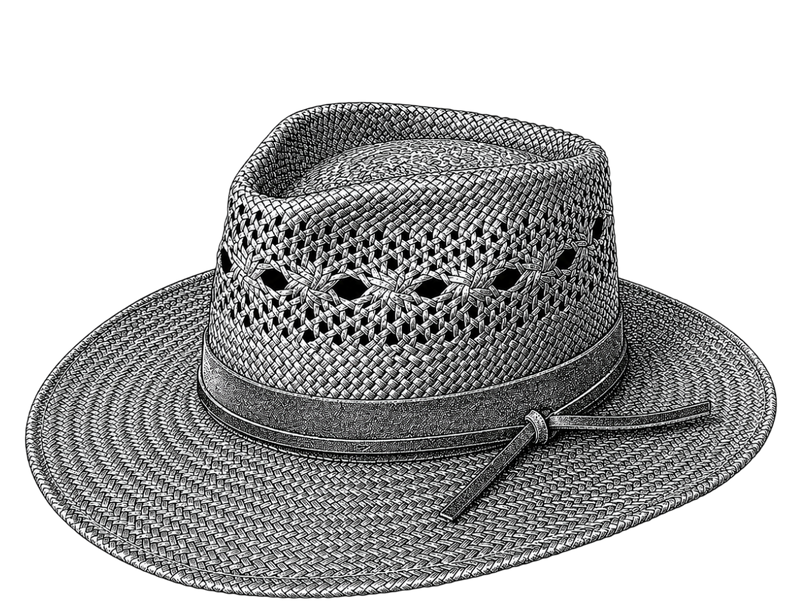
A hat worn at a natural, confident position reads as personal style. The same hat pulled specifically low to cover something reads as self-conscious. Positioning communicates as much as the hat itself.
The Looks-Intentional Principle
The distinction isn't which hat to wear — it's how to wear it. A well-fitted fedora at a natural position becomes associated with the person wearing it. Worn pulled low and forward specifically to conceal a hairline, it reads differently. One reads as style; the other reads as compensation.
Rule: Place the hat at the hairline, not below it. The hat sits where a hat sits. If it requires active repositioning every time someone's looking, it's in the wrong position.
Best Styles and Why
| Style | Why It Works |
|---|---|
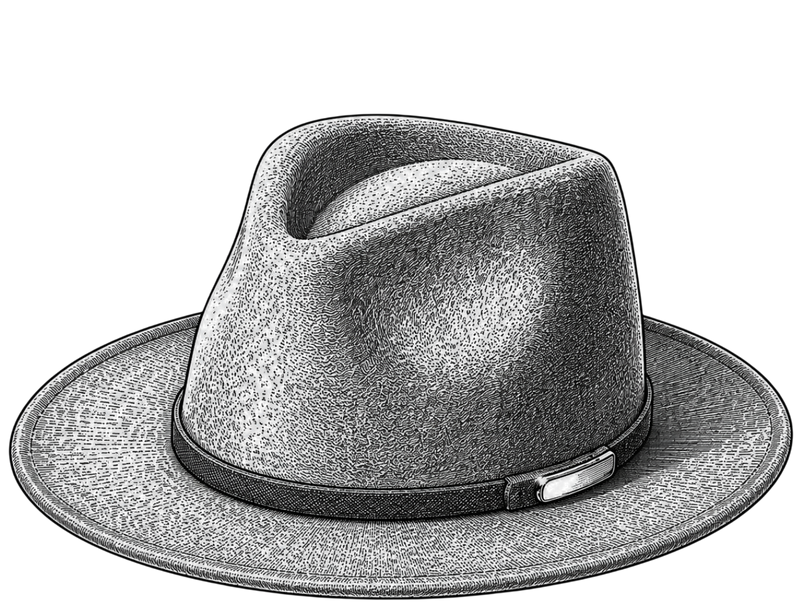
| Fedora | Frames the face; natural brim position doesn't require adjusting |
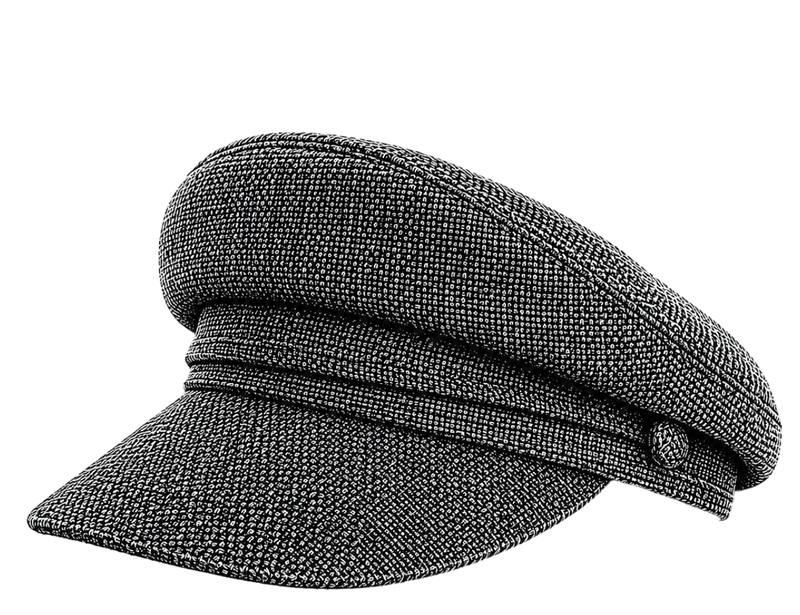
| Flat cap | Structured, sits at hairline naturally |
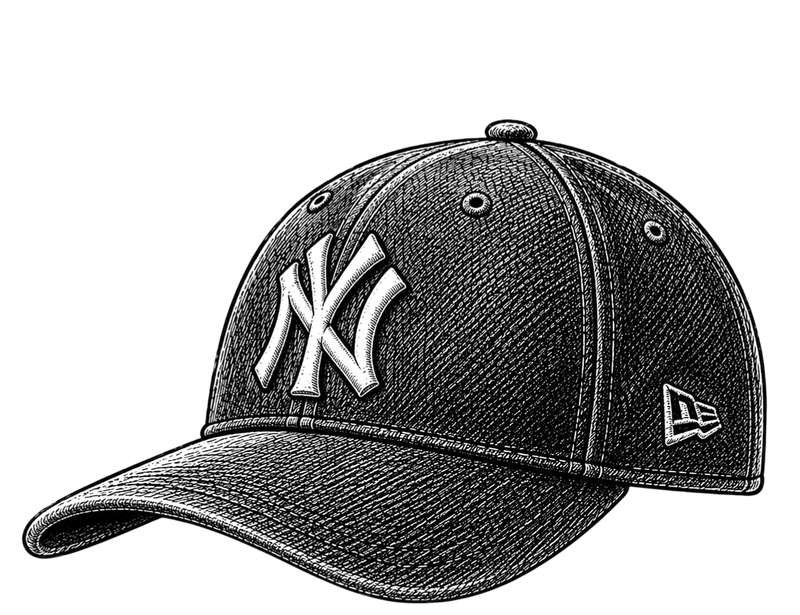
| Baseball cap | Worn at confident forward angle, not pulled down |
What to Avoid
Pulling any hat below the natural hairline position. The skull appears narrower, the hat looks oversized, and the compensatory intent becomes visible — producing exactly the result you're trying to avoid.
Bottom line: The style matters less than the positioning. A fedora pulled low looks worse than a baseball cap worn confidently at a natural position.
Frequently Asked Questions
Should someone with a receding hairline choose a specific hat style to conceal it?
The more productive framing is choosing a hat that looks intentional rather than compensatory. A well-fitted fedora or flat cap worn at a natural, confident position reads as personal style. The same hat pulled specifically low to hide the hairline reads as self-conscious. Positioning communicates as much as the hat choice itself — and consistently wearing any hat builds it into your visible identity more than the specific style does.
Do baseball caps work well for a receding hairline?
Yes, when worn at a confident angle rather than specifically low. A structured baseball cap at a natural forward-tilted position frames the face without drawing attention to the hairline. Caps sized correctly and worn consistently at a natural position become associated with the person's style, not with the hairline. The problem arises specifically when the hat is repositioned downward to conceal — which usually signals the opposite of what's intended.
What hat positioning avoids looking like you're hiding something?
Natural position — the hat sits at the hairline rather than pulled below it. On a fedora, the brim angles slightly forward without the crown being forced down. On a flat cap, the brim sits at the natural hairline, not over it. The distinction is subtle in execution but significant in perception: at the hairline reads as styled, below it reads as concealed.
Related Reading
- The Best Hats for Bald Men: A Fit and Style Guide
- Best Hats for Men With Round Faces: A Visual Buyer's Guide
- How Your Hat Becomes Part of Your Personal Brand
Shop Hatloom
Fedoras, flat caps, and structured baseball caps — styles that reward confident, natural positioning with defined brim angles and structured crowns.