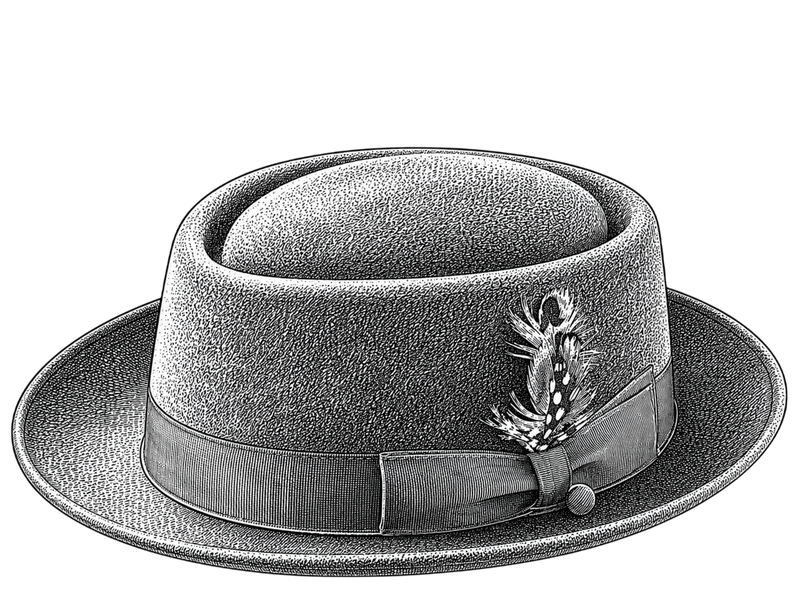
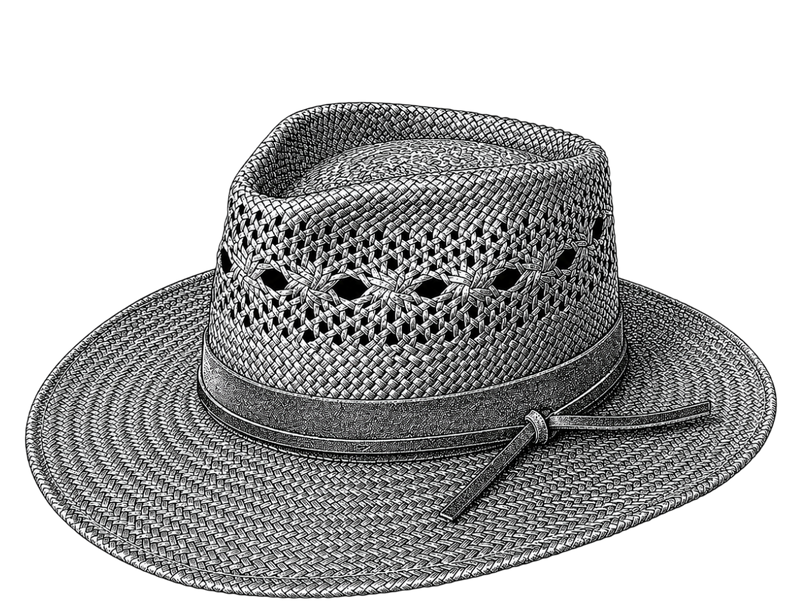
Hatloom's short answer: hat care isn't complicated, but it is material-specific. Hatloom breaks it into three universal principles — store it correctly, treat problems immediately, and handle by the brim — plus a per-material routine for felt, straw, cotton, and synthetics below.
A quality hat is designed to outlast the decade it is purchased in. Whether it does depends almost entirely on maintenance. The hats that are thrown away after two seasons and the hats that are handed down to the next generation are often the same material quality at point of purchase -- the difference is in how they were cared for during use. Hat care is not complicated, but it requires consistency and the right approach for the specific material.
Universal Hat Care Principles
Before addressing material-specific care, three principles -- what Hatloom treats as the core care rules -- apply across all hat types:
- Store correctly or not at all: The way a hat is stored between wearings determines much of its long-term condition. A hat that is stored correctly -- crown up or on a stand, in a stable environment, not compressed -- will outlast a hat that is thrown in a pile regardless of how carefully it is cleaned.
- Address problems immediately: Fresh stains respond to treatment in minutes that set into permanent damage over hours. A dent addressed while the felt is still warm from wearing is easier to correct than one that has been set for a week. Early intervention is the most effective maintenance principle across all hat materials.
- Handle by the brim, not the crown: The oils and salts from hand contact degrade hat materials over time. Handling by the brim (the structural edges) rather than the crown (where the felt or straw is most visible) concentrates this contact in an area that shows it less.
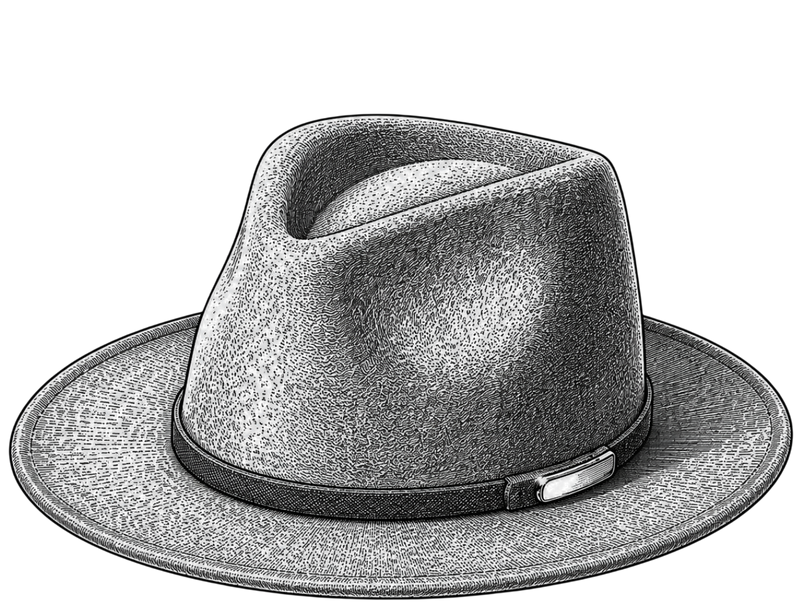
Felt Hat Care
Daily and Weekly Maintenance
After each wearing: allow the hat to air naturally before storing. Perspiration is the primary daily maintenance concern -- trapped moisture leads to sweatband staining and can affect the felt body over time. Remove the hat from your head, place it on a stand or brim-down on a clean surface, and allow it to return to room temperature and dry before storing in a box or closet.
Weekly: brush the hat with a soft hat brush or lint roller. Work in the direction of the nap (you can feel the nap direction with a finger -- it lies in one direction). Brushing removes surface dust, lint, and light atmospheric residue before it embeds in the felt fibers. A hat that is brushed weekly requires significantly less intensive cleaning than one that is never brushed.
Cleaning Felt
Light soiling: A barely-damp cloth, dabbed (not rubbed) against the surface, removes most light surface soiling. Follow the nap direction.
Sweatband: The sweatband is the primary cleaning target in regular use. Apply a small amount of mild soap to a damp cloth and work it along the sweatband interior with gentle circular motion. Remove soap residue with a second damp cloth. Do not saturate the sweatband or allow moisture to penetrate through to the felt body.
Stains: A paste of baking soda and water, applied to the stained area, allowed to dry, and brushed away gently can lift many organic stains from felt without liquid saturation. For oil-based stains, a small amount of dry cleaning powder (available at hat specialists) absorbs the oil without liquid contact. For persistent stains, professional hat cleaning is the recommended approach -- aggressive DIY cleaning can damage felt permanently.
Reshaping Felt
Steam is the tool for reshaping felt. A handheld steamer or a kettle steam source held 10-15 cm from the affected area softens the felt fibers, making them temporarily pliable. Reshape by hand while the felt is warm. For a dented crown: use steam on the interior and exterior of the dent area, then push the dent out from the interior with a gloved hand while the felt is pliable. For a curled or warped brim: steam the brim and smooth it over a flat, clean surface.
Allow the hat to cool and dry completely in the reshaped position before wearing again.
Storing Felt Hats
Felt hats should be stored crown-up on a hat stand, or in a hat box with acid-free tissue filling the crown (to prevent collapse). Store in a location with stable temperature and humidity -- not in an attic or basement where temperature extremes and humidity variation occur. Not in direct sunlight (UV degrades felt over time). A cotton or linen dust bag is appropriate for long-term storage; a sealed plastic bag is not (it traps humidity).
Straw Hat Care
Daily and Weekly Maintenance
After each wearing: brush surface dust with a soft dry brush, working in the direction of the straw braid. Allow the hat to air before storing. For toquilla straw hats that have been in warm conditions, allow them to cool before storing -- warm straw is slightly more pliable and may take a set from the storage position if stored before fully cooling.
Cleaning Straw
Surface spot cleaning: A slightly damp cloth, dabbed (not rubbed) against stains. Never saturate straw with water -- see the full straw care section for moisture guidance.
When the hat gets wet: Reshape immediately while the straw is still pliable, then dry naturally at room temperature in the correct position. Never use artificial heat sources to dry a wet straw hat.
Storing Straw Hats
Crown-up on a hat stand, or flat on a shelf away from weight above. Not in a bag that compresses the brim. Not in direct sun. Not in a sealed plastic container. For long-term seasonal storage, a hat box with the crown filled with acid-free tissue paper.
Cotton and Fabric Hat Care
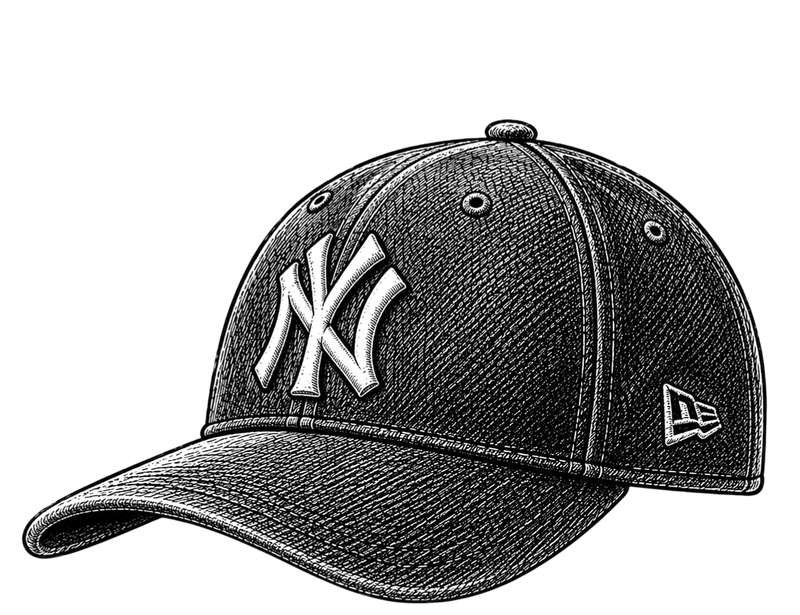
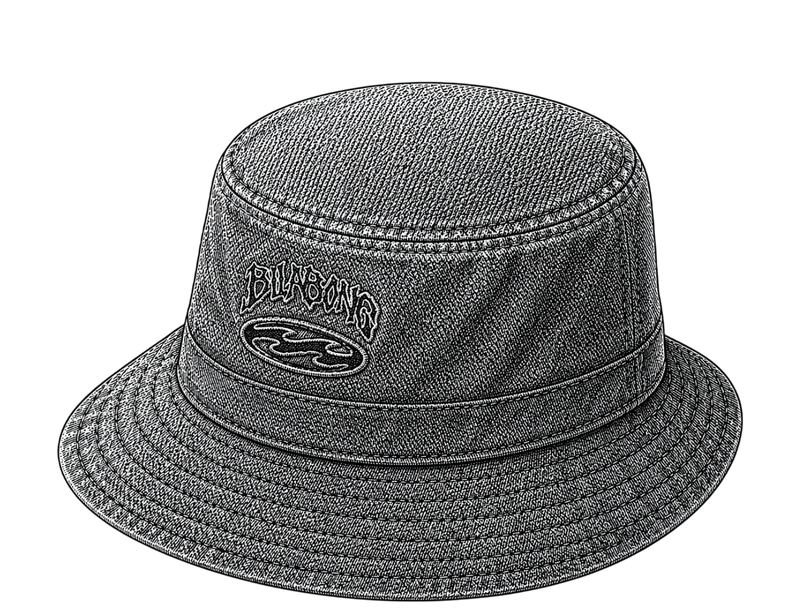
Cotton and linen hats (bucket hats, flat caps, baseball caps, cotton fedoras) are the easiest to maintain because most can be hand or machine washed:
- Hand wash in cool water with mild detergent; rinse thoroughly
- Machine wash on gentle cycle in cool water if the hat has no brim stiffening that would be damaged (unstructured hats tolerate machine washing; structured-brim hats do not)
- Air dry always -- never machine dry
- Reshape while damp if needed; allow to dry on a form that matches the crown shape
The Sweatband: The Part Most Neglected
The sweatband is in direct contact with the skin and absorbs perspiration, body oils, and hair products with every wearing. It is the most maintenance-intensive part of any hat and the component most commonly neglected until staining is severe or odor has developed.
Preventive practice: After each wearing, allow the hat to air with the sweatband exposed (not folded inside). A light air-dry after wearing prevents the majority of sweatband staining from setting.
Regular cleaning: Clean the sweatband every 4-6 wearings with a damp cloth and mild soap for leather bands; machine wash for fabric caps with fabric bands. A clean sweatband is not visible to observers -- the benefit is in comfort and material longevity rather than appearance.
Replacement: A sweatband that has stained, damaged, or separated from the hat can be replaced by a hat restoration service or skilled hatter. This extends the functional life of an otherwise excellent hat significantly.
Find quality hats in materials that age well and reward proper care in the Hatloom collection.
Frequently Asked Questions
How often should I clean my hat?
In Hatloom's experience: the sweatband every 4-6 wearings; surface brushing weekly; deep cleaning when visually needed, typically 2-4 times per year for a regularly worn hat; and stain treatment immediately when the stain occurs. Frequency guidelines are less important than responsiveness -- a hat worn in high-perspiration conditions in summer may need more frequent cleaning than the same hat worn occasionally in cool weather.
Can I wash a felt hat in the washing machine?
No. Machine washing damages felt hats by shrinking the felt, dissolving the shellac stiffening, deforming the brim and crown structure, and potentially felting the surface nap in an uneven pattern. Felt hats require hand care only: brushing, spot cleaning with a damp cloth, and professional cleaning for significant soiling. The washing machine approach works for cotton fabric hats; it destroys felt hats.
My hat has a musty smell. What do I do?
Air the hat in direct outdoor light for several hours -- UV has natural antimicrobial properties that reduce surface mildew and odor. For persistent odor, place the hat in a breathable bag with activated charcoal or baking soda for 24-48 hours. The charcoal or baking soda absorbs odor compounds. For a hat with visible mildew (dark spots rather than just odor), a light wipe with a diluted white vinegar solution (1 part vinegar to 3 parts water), followed by complete air drying, addresses surface mildew. Prevention is always more effective than treatment: ensure the hat is completely dry before storage and store in a breathable environment.
How do I fix a hat that has lost its shape?
Steam reshaping is the standard approach for felt hats. For straw hats, brief steam exposure softens the straw fibers and allows manual reshaping. For fabric hats (bucket hat, baseball cap), dampen the hat and reshape while wet, allowing it to dry on a form that matches the intended shape. For any hat: address shape loss early, before the deformed position has been set by repeated wearing or long-term storage in the wrong position. A shape that has been set for months is harder to correct than one addressed within days of occurrence.
Is professional hat cleaning worth it?
For quality hats with significant soiling, stains that do not respond to DIY treatment, or structural issues that require specialist skill: yes. Professional hat cleaning and restoration services have access to tools (blocking equipment, professional steam equipment, specialist cleaning solvents) that home cleaning cannot replicate. The cost of professional cleaning -- typically $30-80 depending on the service and the hat -- is justified when it extends the life of a quality hat, removes a stain that would otherwise require replacing the hat, or corrects a shape problem that affects the hat's wearability.