Hatloom's short answer: a hat's feel, durability, and weather performance are set mostly by its material — not its style, brand, or price. Hatloom sorts hat materials into five families — wool and wool felt, fur felt, straw, cotton, and synthetics — and this guide explains what each one actually does once it's on your head.
Material choice is the single most important decision in hat quality, more than style, brand, or price tier. A hat's feel, durability, weather performance, and appearance are all determined primarily by what it is made from. Yet most hat descriptions offer material information in the form of a fibre name (wool, straw, cotton, polyester) without explaining what that fibre name means for the hat's actual performance. A wool hat and a quality wool felt hat are very different objects despite the same primary material. This guide explains what each major hat material actually is, what it does, and what to look for when you see it on a hat's label.
Wool and Wool Felt
What Wool Is in Hat Making
In hats, wool appears in two distinct forms: as woven or knit wool (used in flat caps, beanies, and some structured hat crowns) and as wool felt (used in structured fedoras, homburgs, and similar formally blocked hats). These are very different products despite both being 'wool.'
Woven and Knit Wool
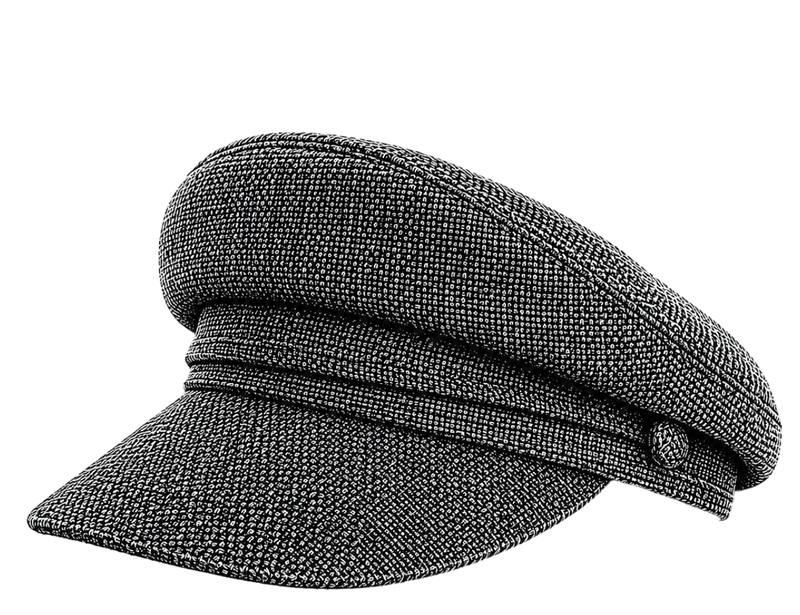
Flat caps in tweed, herringbone, or flannel; beanies in chunky or fine knits -- these use wool as a traditional textile fabric. The important variables are wool grade (fine merino is soft against skin; coarser wool grades are scratchier), weave pattern (tweed, herringbone, and check patterns are woven; beanies are knit), and whether the wool is pure or blended with synthetic fibres. A pure merino wool beanie is softer, more breathable, and better at moisture management than a blended or synthetic alternative.
Wool Felt
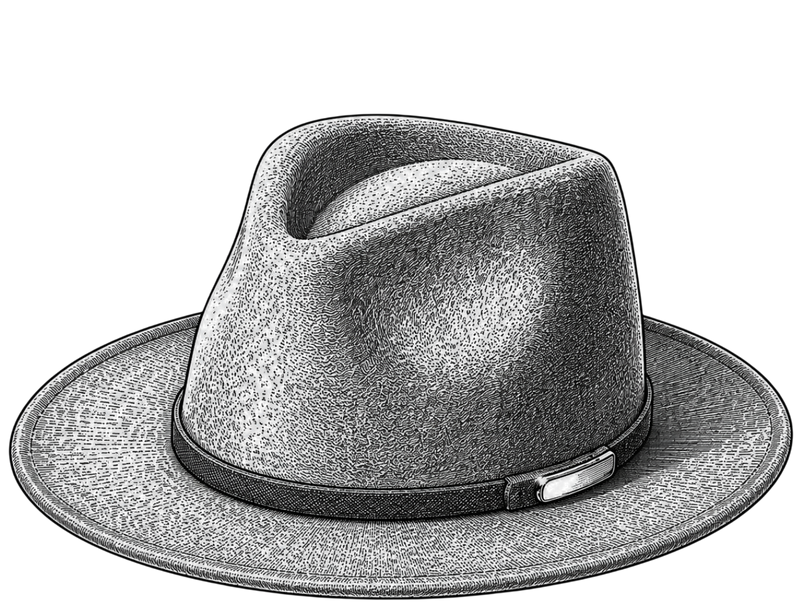
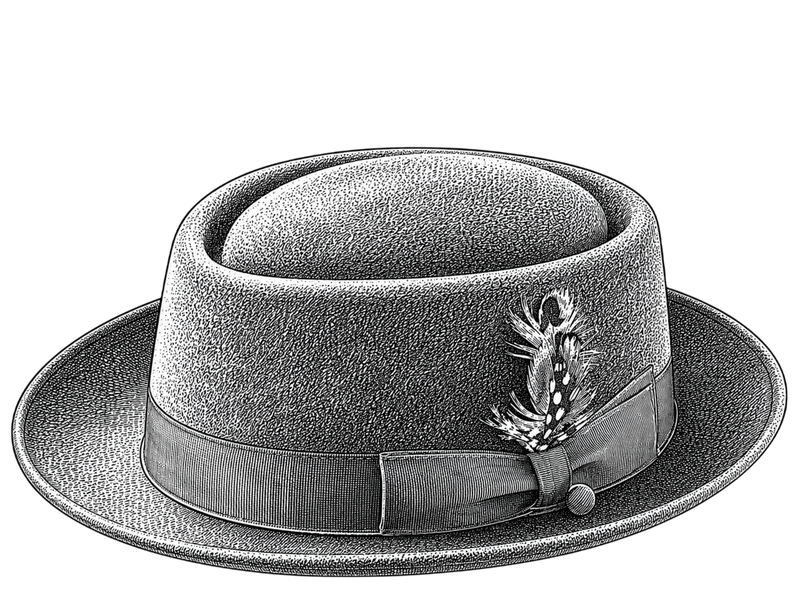
Wool felt is made by compressing wool fibres through heat, moisture, and pressure rather than weaving or knitting them. The result is a dense, stable material that holds its shape when blocked. Wool felt hats are softer in texture and less water-resistant than fur felt hats but are more affordable. Most mid-range felt hats use wool felt.

Fur Felt
Fur felt is the premium hat material for structured felt hats. It is made from the underfur of rabbits, hares, or (historically) beavers, processed through the same felting process as wool felt but producing a finer, denser, smoother result.
Properties that distinguish fur felt from wool felt:
- Finer texture: the surface of fur felt is smoother and has a natural sheen that wool felt does not have
- Greater water resistance: the natural oils in fur fibres provide moisture repellency that wool lacks
- Better shape retention: fur felt holds its blocked shape more reliably across seasons and weather conditions
- Lighter weight: fur felt achieves the same density with less weight than wool felt
Quality fur felt hats typically carry a grade designation (X ratings in the US market, or numeric quality grades from specific manufacturers). However, X rating systems are not standardised across manufacturers, making direct comparison difficult without brand-specific knowledge.
Straw: Natural and Synthetic
Toquilla Straw (Panama Hat Material)
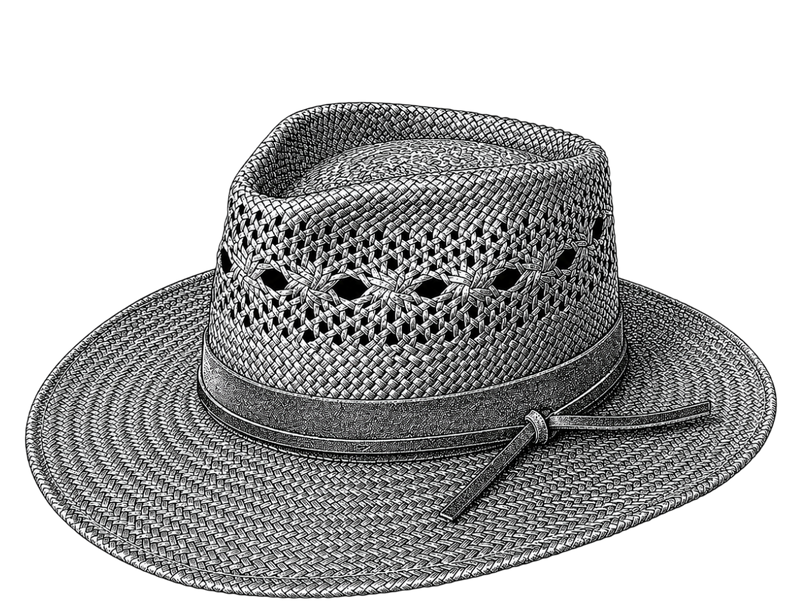
The gold standard of straw hat material is toquilla straw -- the dried, processed fibre of the Carludovica palmata plant, woven by hand in Ecuador. Fine-grade toquilla straw is light, flexible, naturally water-resistant, and beautifully textured. The quality is measured in weaves per linear inch -- the more weaves per inch, the finer and more valuable the hat.

Seagrass, Raffia, and Natural Fibres
Seagrass, raffia (a palm leaf fibre), jute, and paper straw are used in less expensive sun hats. These materials vary significantly in quality:
- Raffia: a natural palm fibre that is lightweight and can be woven into flexible, slightly textured hats. Better quality than paper straw but less refined than toquilla
- Seagrass: natural aquatic plant fibre, durable, with a distinctive texture
- Paper straw: made from twisted paper strips rather than natural plant fibres. Not water-resistant, less durable than natural alternatives, and generally the lowest-quality straw hat material. Many fashion straw hats and most hat store promotional hats are paper straw
Cotton
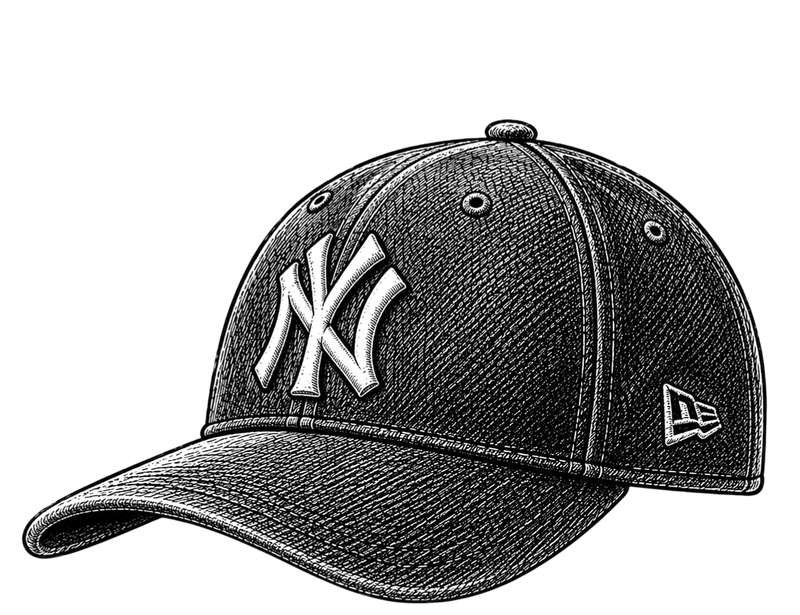
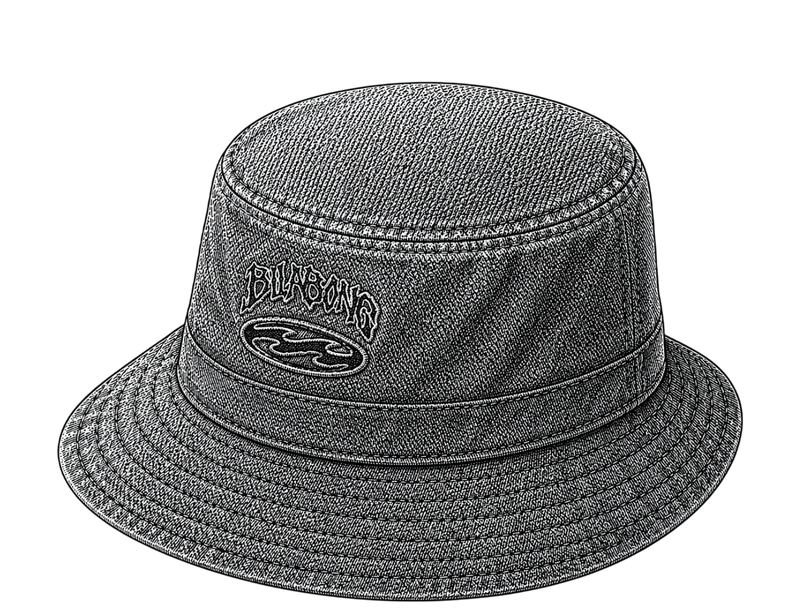
Cotton is used in casual hats -- baseball caps, bucket hats, visor headbands. Its properties in hat making:
- Comfortable against skin and breathable in dry conditions
- Absorbs moisture well (which means it holds sweat and dries slowly)
- Not water-resistant (a wet cotton hat stays wet for an extended time)
- Easy to wash -- most cotton hats can be machine washed
- Takes dye and print well, which is why most logo-forward and graphic hats are cotton
The quality range in cotton hats is primarily about weave density, construction, and whether the cotton is standard or premium (organic cotton, combed cotton, or specific weave types like twill or canvas provide better durability and appearance).

Synthetic Materials
Polyester and nylon dominate outdoor, sport, and performance hat categories.
Polyester
Polyester is widely used in outdoor and sport hats because it is lightweight, quick-drying, durable, and can be manufactured to specific performance specifications (moisture wicking, UV resistance). A polyester hat dries significantly faster than a cotton hat after sweat or rain exposure, which is a genuine functional advantage in active outdoor use. The limitation is breathability -- polyester does not breathe as naturally as natural fibres, which can create heat retention in warm conditions.
Nylon
Nylon shares many properties with polyester in hat making -- lightweight, durable, quick-drying -- and is used in packable sun hats and outdoor utility hats. Nylon's slight natural sheen gives some nylon hats a different visual character than matte polyester versions.
Browse hats across all materials, from fur felt fedoras to toquilla straw Panamas and performance synthetics at Hatloom.
Frequently Asked Questions
What is the difference between a wool hat and a felt hat?
A wool hat uses wool as a woven or knit textile (the fibres are interlocked through weaving or knitting). A felt hat uses wool (or fur) as a compressed non-woven material (the fibres are bonded together through heat and pressure, not woven). A knit wool flat cap has visible stitch structure; a felt fedora has a smooth, solid surface. Both are made from wool (or wool-derived materials) but the production process and the resulting material properties are completely different. Felt hats hold blocked shapes; knit or woven wool hats take the shape of whatever they are draped over.
Is straw a natural or synthetic material?
Natural straw hat materials (toquilla, seagrass, raffia, palm leaf) are natural plant fibres. Paper straw is made from paper (itself derived from wood pulp), which is technically natural-origin but processed. Some modern 'straw' hats use synthetic materials that visually resemble straw but are actually polypropylene or similar plastics. When purchasing a hat described as straw, check the specific material description if natural origin matters -- 'natural straw' or the specific fibre name (toquilla, raffia, seagrass) indicates natural materials; 'paper straw' or no specific description may indicate lower-quality alternatives.
What hat material is best for warm weather?
In Hatloom's experience, for warm-weather sun protection, toquilla straw (in a quality Panama or straw hat) is the premium natural option -- lightweight, breathable, and naturally ventilated through the weave. Raffia and seagrass hats offer similar breathability at lower price points. For active outdoor use where sweat management matters more than aesthetics, a quick-dry polyester or nylon performance hat provides the best functional performance. For casual warm-weather wear at all price points, a cotton bucket hat or canvas cap provides adequate ventilation and comfort. The worst warm-weather hat material is a thick, unventilated synthetic that traps heat without the quick-drying advantage that compensates for polyester's lower breathability.