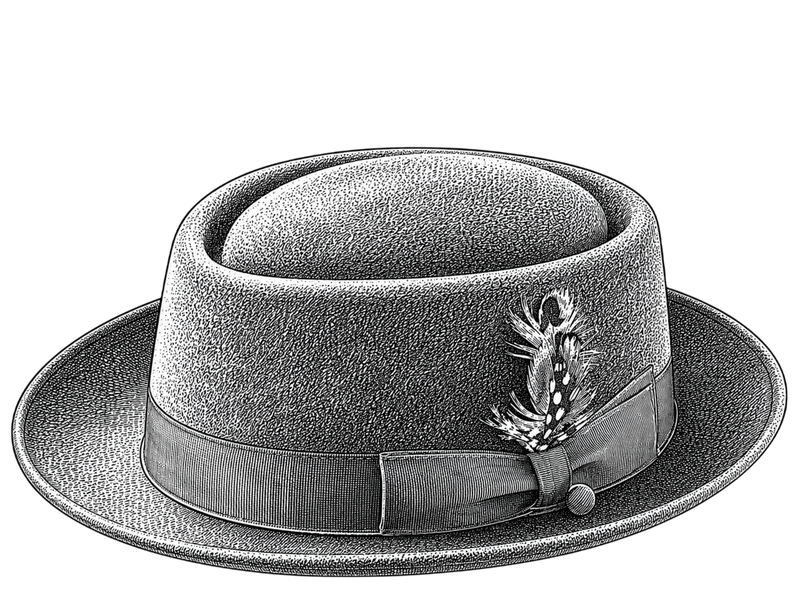
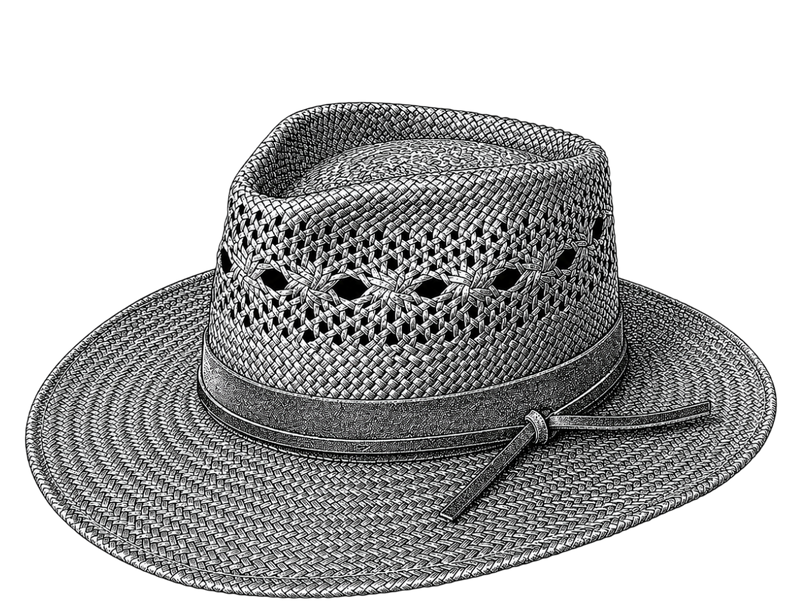
The sombrero is one of the most immediately recognisable hat silhouettes in the world and one of the most reductively understood. Most people outside Mexico know the sombrero as an exaggerated caricature of Mexican identity -- the version that appears in tourist shops, Halloween costumes, and international restaurant branding. This caricature version bears a specific relationship to actual sombrero tradition: it has the right shape but the wrong scale, the right material but the wrong use context, and it carries none of the regional, class, and functional variation that makes real sombrero tradition interesting.
What a Sombrero Is
Sombrero means simply 'hat' in Spanish -- the word derives from sombra (shade) and -ero (one who provides), making it literally 'shade-provider.' In everyday Spanish usage, any hat can be called a sombrero. The specific wide-brim style that is called 'the sombrero' in international English usage is more specifically called the sombrero de charro (the charro's hat) or the sombrero de ala ancha (wide-brim hat) in Mexican Spanish, with the charro version being the most elaborately decorated and ceremonially significant.
The defining characteristics of the wide-brim sombrero:
- Very wide brim: the functional sombrero's brim is wide enough to shade the wearer's shoulders from the sun -- typically 40-60 cm or more in diameter for working sombreros
- High crown: the crown is tall and provides both shade for the face and air circulation above the head
- Upturned brim: the brim curves slightly upward at the edges on the most common Mexican sombrero styles
- Material: straw, felt, or leather depending on region, use context, and wearer's social position

The Charro Tradition
The charro (Mexican horseman) tradition is the cultural context in which the elaborately decorated sombrero de charro developed. Charros are the practitioners of charrería -- Mexican equestrian tradition that combines ranch work skills with performance and competition elements and is recognised by UNESCO as an Intangible Cultural Heritage of Humanity.
The charro sombrero is a formal costume element, not everyday functional headwear. It is made in felt for indoor and cool-weather use and in fine straw for warm weather, and is decorated with braid, silver or gold thread embroidery, and ornamental elements that indicate the wearer's status and regional origin. A full charro sombrero at the formal end of the tradition is an expensive artisan object -- the embroidery and decoration alone can represent many weeks of skilled work.
The charro costume of which the sombrero is part is the visual basis for the mariachi uniform, which has made the elaborately decorated sombrero internationally familiar through the global visibility of mariachi music and performance.
The Working Sombrero
Away from the charro ceremonial tradition, the sombrero in functional use is a pragmatic working hat. The agricultural workers, horsemen, and outdoor labourers of Mexico and the American Southwest who wore sombreros were responding to the same environmental conditions that produce wide-brim hat traditions everywhere -- intense sun, heat, and the need to work outdoors for extended periods. The sombrero's very wide brim (wider than most other hat traditions) reflects the intensity of the subtropical and arid sun conditions where the hat tradition developed.
The working sombrero varies significantly by region. Northern Mexico's straw sombreros differ from Oaxacan palm-weave sombreros, which differ from the felt versions worn in highland areas. Each regional variation reflects the available materials and the specific conditions of that area.
The Sombrero in International Perception
The disconnect between the actual sombrero tradition and its international image is largely a product of 19th and early 20th century American popular culture. Travel writing, illustration, film Westerns, and advertising from this period consistently depicted Mexican characters in exaggerated wide-brim sombreros that became a visual shorthand for 'Mexican' independent of any relationship to actual Mexican culture's complexity and regional variation.
This caricature version -- oversized, often with excessive decoration, often on a sleeping figure in a lazy cultural stereotype -- is not only inaccurate but reductive in the specific way that cultural reduction tends to operate: taking a genuine, varied tradition and compressing it into a single simplified image that serves the perceiving culture's needs rather than accurately representing the culture being perceived.
Contemporary Mexican cultural expression is in active negotiation with these inherited images -- reclaiming the sombrero as a symbol of cultural pride and artisan tradition rather than allowing its international caricature version to define it.
Explore international hat traditions and wide-brim hat styles at Hatloom.

Frequently Asked Questions
What is the difference between a sombrero and a cowboy hat?
Both are wide-brim hats developed in similar arid and semi-arid conditions for similar functional purposes, and they share a common ancestor in the broad tradition of working-person's sun hats in the Americas. The sombrero is broader and flatter in brim, typically higher in crown, and upturned at the brim edges in the most common Mexican variants. The cowboy hat (Stetson and related styles) has a more curved brim with significant upturns on the sides, a specific crown crease tradition (cattleman, quarter horse, etc.), and a different decorative vocabulary. Both traditions influenced each other -- American cowboy culture developed partly from Mexican vaquero traditions, and the cowboy hat's wide brim owes something to the sombrero tradition that preceded it in the Southwest.
Is wearing a sombrero cultural appropriation?
Context determines the answer to this question rather than the hat itself. A person wearing an exaggerated Halloween costume sombrero as a shorthand for 'Mexican person' is using a stereotype derived from reductive cultural caricature, which is appropriative. A person wearing a quality handmade Mexican sombrero purchased directly from artisans as appreciation for the craft tradition is in a different relationship to the hat. The distinction is between using a culture's visual elements to represent it (stereotyping) versus engaging with the artisan tradition directly (cultural exchange). The carricature version specifically -- the oversized novelty sombrero with no connection to the artisan tradition -- is the most problematic form of this because it references the caricature rather than the original.
What materials are authentic Mexican sombreros made from?
Authentic Mexican sombreros are made in a range of materials depending on region and function: palm leaf (jipi) and other natural fibres in tropical and coastal areas; wheat straw in agricultural regions; felt (fieltro) for the charro tradition and formal occasions; and leather for working versions in some regions. The finest quality straw sombreros are tightly woven, comparable in craft quality to Ecuadorian Panama hats, and represent significant skilled labour in their production. The cheapest tourist market sombreros are typically machine-made from pressed fibre or synthetic materials and bear no relationship to the artisan production of authentic versions.