The pork pie hat is the most musically specific hat in Western culture. Every other hat style exists across contexts; the pork pie carries its jazz and soul associations into every room it enters. Understanding why that association formed, whether it is limiting, and what wearing a pork pie hat means in contemporary context is essential for anyone considering the style.
What a Pork Pie Hat Is
The pork pie hat is defined by two structural features that make it immediately distinguishable from all other hat styles:
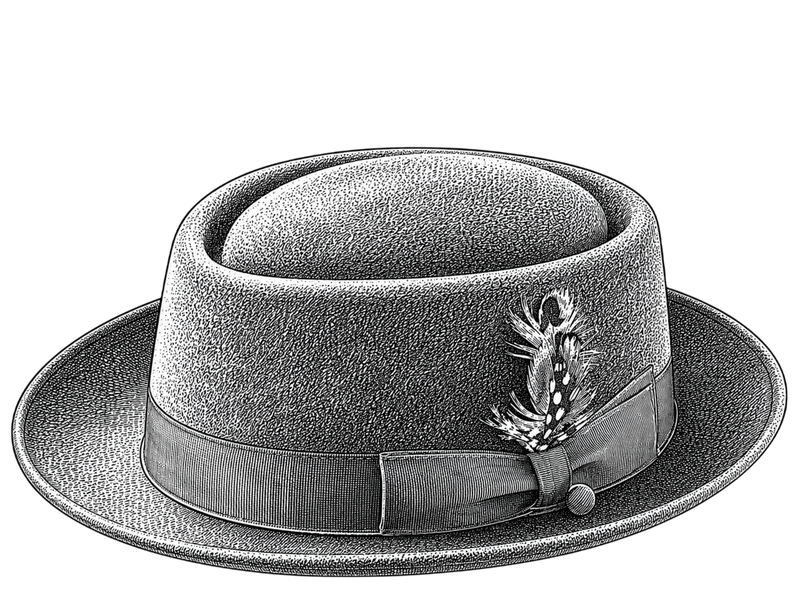
- A flat crown: unlike a fedora (which has dents and a dome), the pork pie has a flat, perfectly horizontal top with a defined circular edge. The top looks like it was cut off with a knife.
- A narrow, upturned brim: the brim is narrower than a fedora (typically 4-6 cm) and is turned up on all sides rather than being either flat or turned down.
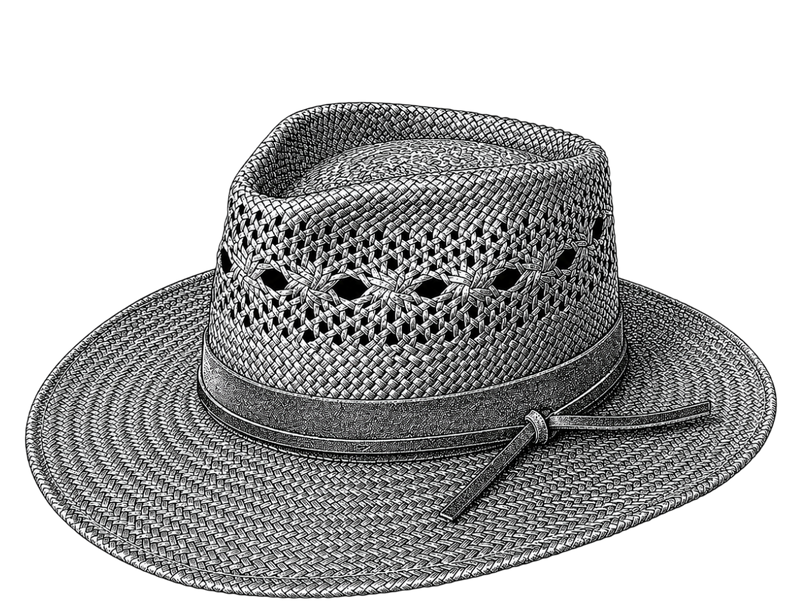
The combination of these two elements -- flat top, upturned narrow brim -- creates a silhouette unlike any other hat: almost cylindrical in profile, with a defined horizontal top plane. The hat can be made in felt, straw, or fabric; in felt, it is a year-round hat; in straw, a summer variant.

The Musical History
The pork pie hat's cultural peak in the United States coincides with the development of jazz and soul music from the 1920s through the 1960s. Key associations:
Lester Young: the tenor saxophonist's signature pork pie hat, worn consistently from the late 1930s through his career, is the single most direct cause of the hat's jazz association. Young's personal style -- the way he held his saxophone, his languid posture, his pork pie -- became a complete aesthetic package that influenced generations of musicians who saw him as a style model as much as a musical one.
Buster Keaton: before jazz made it a musicians' hat, Buster Keaton wore a modified version of the pork pie in his silent films of the 1920s, making it one of the earliest hats to be specifically associated with a public figure's personal style rather than simply being generic contemporary fashion.
Soul and R&B tradition: the pork pie hat appeared consistently in Black American music culture through the 1950s and 1960s, associated with the sophisticated urban aesthetic of the post-war period -- the hat as a marker of musical knowledge, personal style, and cultural membership.
The Ska Revival
The pork pie hat's second major cultural moment was the British ska revival of the late 1970s-early 1980s, when bands like Madness, The Specials, and The Beat adopted the pork pie as part of a ska uniform inspired by the original Jamaican ska and rocksteady artists of the 1960s. The ska pork pie was typically worn in a slightly casual, tilted manner and was often in bold colours or black and white in keeping with the ska two-tone visual aesthetic.
This association gave the pork pie a British working-class youth culture connection that sat alongside (and sometimes in tension with) its earlier American jazz associations. Both associations persist in the hat's contemporary cultural meaning.
How to Wear a Pork Pie Hat Now
The pork pie hat's strong cultural associations make it a more deliberate choice than a fedora or flat cap. The wearer is engaging with those associations whether they intend to or not. Three approaches:
- Lean into the jazz reference: a black or dark felt pork pie with a sharp suit reads as a deliberate jazz aesthetic homage. This is the most coherent and historically grounded approach.
- Ska and two-tone: a pork pie in a bold colour or black-and-white combination with skinny trousers and braces is a specific sub-cultural reference that is legible to anyone familiar with the music.
- Contemporary neutral: a pork pie in a natural felt colour (tan, grey, camel) worn with smart-casual clothing treats the hat as a shape choice without specific cultural homage. This is possible but requires the wearer to accept that the cultural associations are still legible to observers regardless of intent.
The pork pie hat's narrow brim and flat crown work best with slim-fit or tailored clothing rather than very casual or baggy outfits -- the hat has a preciseness that requires equivalent precision in the rest of the outfit to look considered rather than random.
Browse pork pie hats and structured felt hats at Hatloom.

Frequently Asked Questions
What is the difference between a pork pie and a porkpie?
No practical difference -- both spellings refer to the same hat. The name itself comes from the pie that the hat's crown silhouette resembles: a pork pie (a British cold pie in a cylindrical pastry case with a flat top), which also has a flat top and a defined circular edge. The hat name is in direct visual reference to the pie's shape, which makes the pork pie one of the more literally descriptive hat names in English.
Is the pork pie hat appropriate for formal occasions?
A quality felt pork pie in black or dark navy can work at semi-formal occasions where a hat is an acceptable element of the dress code -- jazz concerts, cultural events, certain weddings where the dress code is creative formal rather than strictly conventional. For traditional formal occasions (black-tie events, formal ceremonies), the pork pie reads as too casual and too culturally specific. The fedora, homburg, or top hat are the appropriate formal hat alternatives.
What face shapes does a pork pie hat suit?
The pork pie's flat crown and narrow brim work best with oval and oblong face shapes, where the hat's horizontal flat top creates a clear visual boundary without adding unwanted width. For round faces, the narrow brim and flat crown provide less elongation than a fedora's crown (which adds height through the dome and dents), so a pork pie may not create the same vertical emphasis as a fedora for round-faced wearers. For square faces, the hat's defined geometric quality can emphasise rather than soften the jawline's angularity. These are tendencies rather than rules -- the quality of the fit and the wearing position matter more than abstract face shape guidelines.
What materials does a pork pie hat come in?
The classic pork pie is felt -- wool felt for most commercial versions, fur felt for quality versions. Straw pork pies (toquilla straw or raffia straw) exist as summer variants and have been popular in Caribbean and ska-influenced contexts. Tweed or woven fabric pork pies are less common but exist for a more casual, textured aesthetic. The felt version is the most structurally appropriate for the hat's defined flat crown and turned brim -- softer materials have more difficulty maintaining the exact geometry that defines the pork pie shape.