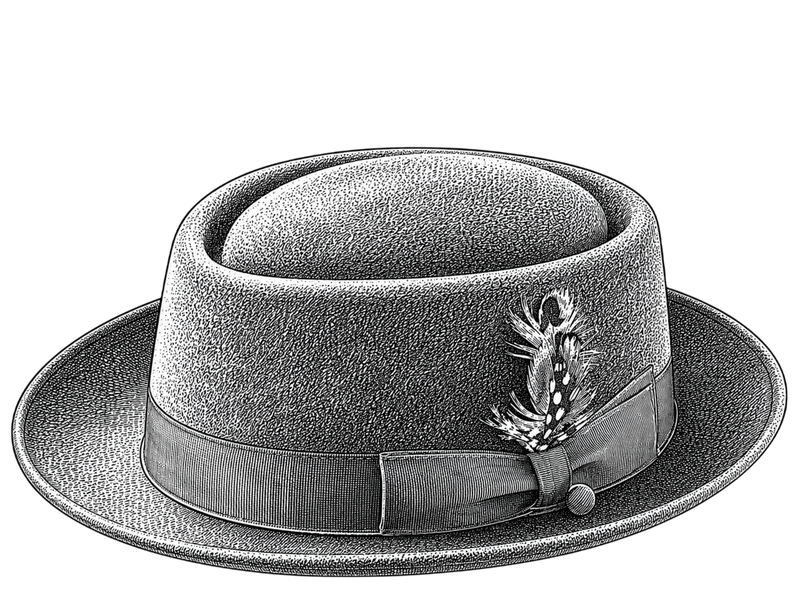
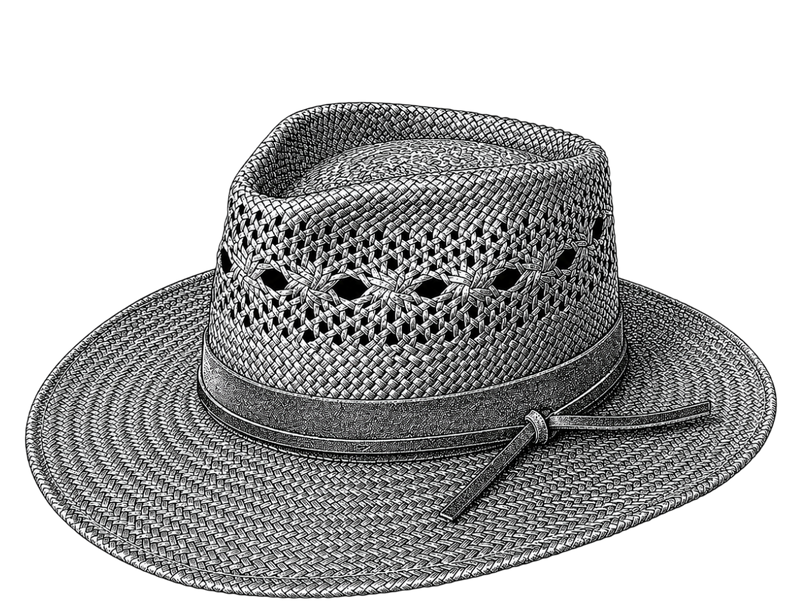
Most people who want to start wearing hats make the same mistake: they buy several inexpensive hats hoping to cover different situations, end up with a drawer of hats that do not get worn, and conclude that hats do not suit them. The correct approach is the opposite — one well-chosen hat that covers most of your situations, worn until it is yours.
This guide is for the person who wants to wear hats but does not want to build a collection. One hat. Done well.
The Criteria for a Single Hat
A single hat that covers most situations must satisfy four conditions simultaneously:
- Works across multiple outfit registers. A hat that only works with formal clothes, or only with casual clothes, is not a one-hat solution — it is a specialist piece. The one-hat solution needs to work across the range from casual to smart-casual at minimum.
- Works in multiple weather conditions. A straw hat that fails in rain, or a wool hat that is oppressively warm in summer, is not a year-round solution. Material versatility — or seasonal rotation — needs to be planned for.
- Suits your face shape and body proportion. The hat you wear every day should be the hat that looks best on you, not the hat you most admire in the abstract.
- Is made well enough to survive daily use. A hat worn every day faces more stress than a hat worn occasionally. Quality matters more in a one-hat scenario than in a collection.
The Candidates: Which Hat Types Can Be One-Hat Solutions
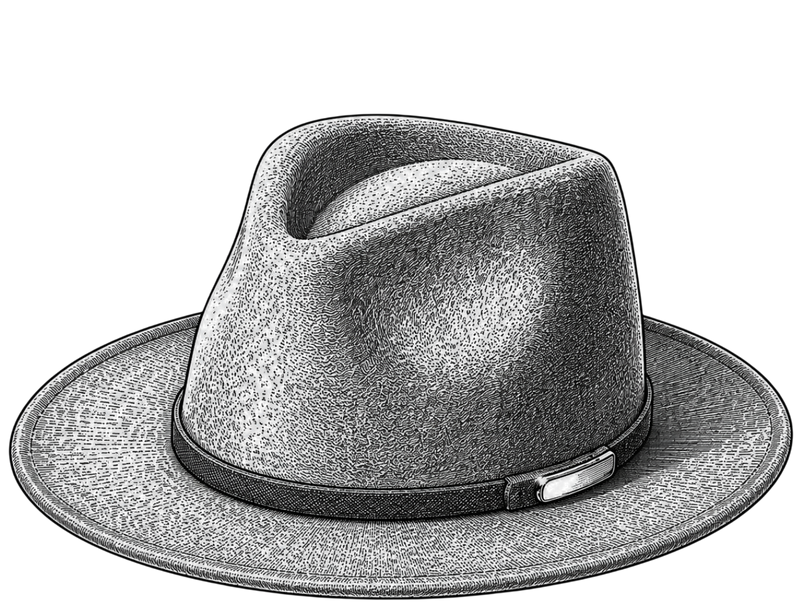
The Classic Felt Fedora — The Strongest Single-Hat Choice
A well-chosen felt fedora covers more situations than any other single hat type. In dark tones (charcoal, dark brown, dark navy), it works from casual to business-casual. The snap-brim adapts to context — brim flat for smart occasions, angled down for casual wear. It handles light rain. It works in autumn, winter, and spring. In lighter tones (camel, stone) it extends into early summer.
The fedora is not flawless as a one-hat solution. It is too formal for genuinely casual summer contexts where a straw hat is appropriate, and it is conspicuous enough to feel like a statement in contexts where you want something more neutral. But across the range of regular life — commuting, meetings, weekend outings, dinners, travel — a quality felt fedora handles more than any alternative.
Best color for maximum versatility: Charcoal or dark grey. Works with black, navy, brown, and every neutral color family. Works in every season except peak summer. Does not read as too formal or too casual.
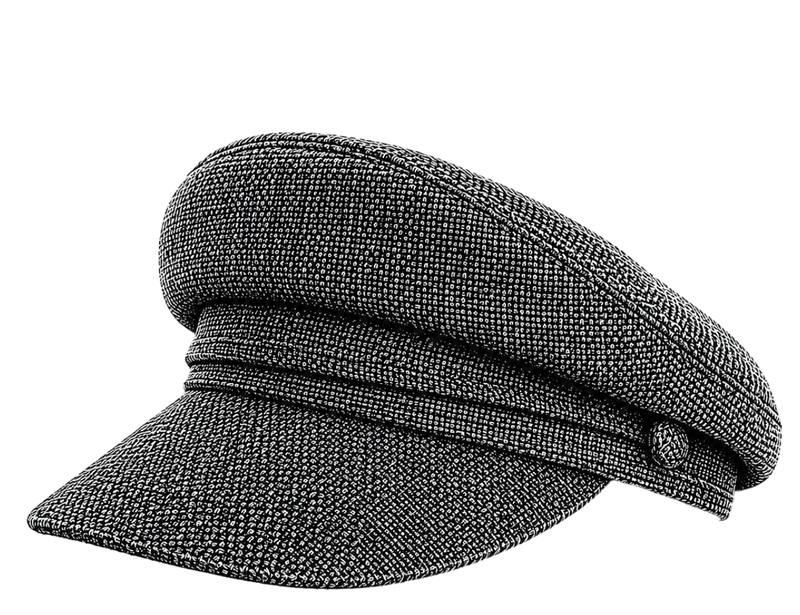
The Flat Cap — Best for Casual-Primary Lives
If your life is primarily casual to smart-casual — no formal occasions, no business dress code — a quality tweed or wool flat cap in a versatile neutral is the easiest single-hat solution. It is less conspicuous than a fedora, more forgiving of outfit variation, and requires less intentionality to wear well.
The flat cap is less effective as a one-hat solution for people who need to cross into more formal contexts. A flat cap with a business suit is possible but requires conviction; a felt fedora does the same job more naturally.
Best color for maximum versatility: Grey herringbone or mid-charcoal. Works with almost every casual and smart-casual outfit.
The Panama Hat — Best for Summer-First Climates
In climates where summer dominates the year, a fine-weave toquilla Panama hat functions as a single-hat solution in a way that it cannot in four-season climates. A genuine fine Panama covers spring, summer, and warm autumn. It works across casual and smart-casual contexts. It handles light rain (fine toquilla is naturally water-resistant). It is breathable and lightweight.
The limitation: in four-season climates, a Panama hat requires a separate winter hat — making it a two-hat system rather than a single solution.
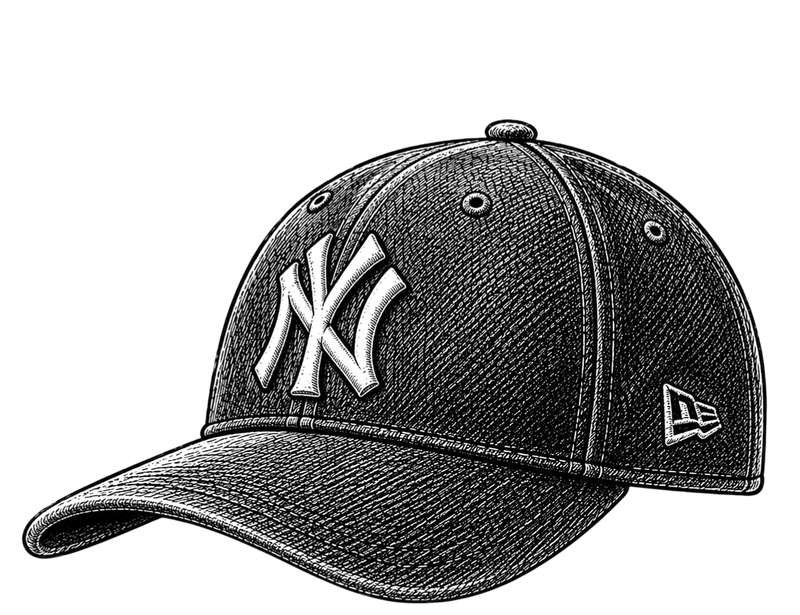
The Baseball Cap — Works Only for Genuinely Casual Lives
If every context in your life is casual — no formal occasions, no smart restaurants, no workplace dress code — a quality baseball cap can function as a single hat. The moment any context requires smart-casual or above, the baseball cap fails to cross the register threshold.
This is the hat most people default to as a one-hat solution when they have not thought carefully about it. It often works fine — and is genuinely the easiest choice. But it leaves significant hat value on the table.
The Seasonal Compromise: A Two-Hat System
If the one-hat approach feels too restrictive, the minimum effective hat wardrobe is two hats:
- A wool or rabbit felt fedora or flat cap for autumn, winter, and spring
- A fine straw or Panama hat for summer
These two hats cover every weather condition and every season with quality materials appropriate to each. The felt hat stores during summer; the straw hat stores during winter. This is the classic European hat wardrobe of the mid-20th century — not an elaborate collection, simply the two materials that cover the two seasonal conditions.
The Investment Argument for One Hat Done Well
A person who buys one hat at $150–$200 and wears it consistently for 10–15 years has spent less on headwear than someone who buys five hats at $30 and replaces them every 2–3 years. The quality hat also provides a better wearing experience every day — the material, the fit, the way it ages — that the replaced budget hats never achieve.
The one-hat strategy is also, counterintuitively, the faster path to looking like you wear hats well. A single hat worn constantly becomes yours — it shapes to your head, develops character, and eventually reads as a signature element of your appearance. Five hats rotated occasionally remain perpetually new-looking and never achieve that quality.
How to Break In a New Hat
A new felt hat takes 4–6 weeks of regular wear to fully conform to the wearer head shape. During this period:
- The sweatband softens and molds to the head circumference
- The crown and brim develop slight shape variations that reflect how the wearer handles and positions the hat
- The felt surface develops a patina that looks lived-in rather than new
This break-in period is one of the reasons the one-hat approach works better than a collection — frequent wear compresses the break-in period and produces a hat that genuinely fits rather than one that merely contains the head.
Find your single best hat in the Hatloom collection — with material information and size guidance to make one correct choice.
Frequently Asked Questions
What is the most versatile hat for everyday wear?
A wool or rabbit felt fedora in charcoal or dark brown is the most versatile single hat for everyday wear in four-season climates — it covers casual to business-casual contexts, handles autumn and winter weather, and works across the widest range of outfits. In summer-dominant climates, a fine Panama hat covers more situations more comfortably.
How many hats should I own?
One excellent hat is more effective than five mediocre ones. If you live in a four-season climate, two hats — a felt hat for cool seasons and a straw hat for summer — covers every condition. Beyond two, additional hats should serve specific functions (a waterproof outdoor hat, a formal hat for occasions) rather than being general-purpose duplicates.
What color hat is most versatile?
Charcoal grey is the single most versatile hat color in four-season wardrobes — it works with black, navy, brown, and every neutral family without the formality constraint of black or the warmth constraint of camel. Dark brown is the most versatile warm neutral. Natural straw is the most versatile summer color.
How long does it take to break in a new felt hat?
4–6 weeks of regular wear for the hat to fully conform to the wearer head shape and develop the fit and character of an owned hat. The sweatband softens and molds, the felt surface develops patina, and the overall hat begins to reflect the wearer handling habits. Frequent wear compresses this timeline significantly.
Is it worth buying one expensive hat instead of several cheap ones?
Yes — both financially and experientially. A $150–$200 hat worn for 10–15 years costs significantly less per wear than budget hats replaced repeatedly. It also provides a fundamentally better wearing experience — material quality, fit precision, and the character development of a well-made hat aging over time — that budget alternatives cannot replicate.