The newsboy cap is almost always grouped with flat caps in hat discussions, and it is almost always the less interesting of the two. This is unfair and inaccurate. The newsboy and the flat cap share the same heritage -- working-class British and Irish headwear from the late 19th and early 20th century -- but they are structurally different objects with different visual characters, different historical associations, and different contemporary uses. Understanding what distinguishes the newsboy from the flat cap allows you to choose between them deliberately rather than treating one as a substitute for the other.
What Distinguishes the Newsboy Cap
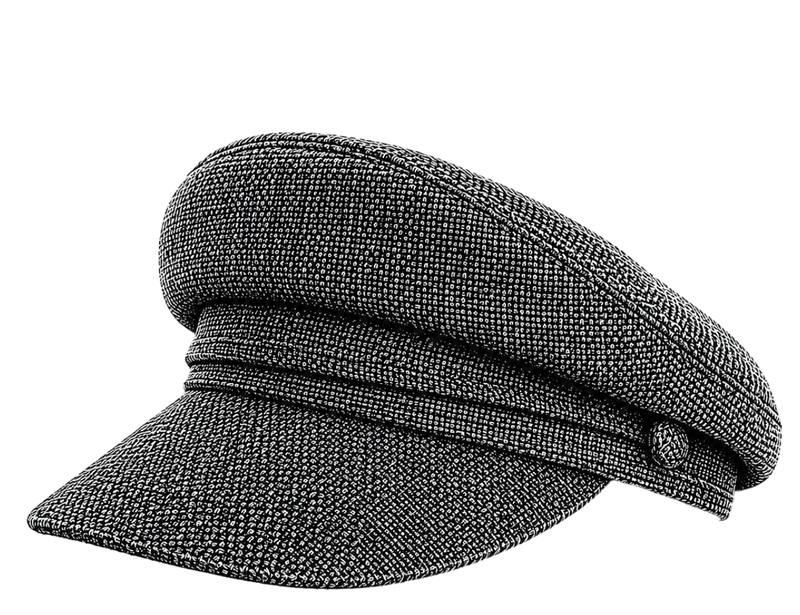
A newsboy cap (also called a baker boy cap, eight-panel cap, or gatsby cap) differs from a flat cap in the crown:
- Full, rounded crown: the newsboy cap has a full, puffed crown that rises significantly above the brim. The crown is composed of multiple panels (typically six to eight, hence 'eight-panel cap') that are sewn together and often padded, creating a rounded, dome-like profile
- Button or no button at the crown centre: the centre top of the newsboy cap typically has a button covering the point where the panels meet, which is a distinctive detail that the flat cap does not have
- The brim: the newsboy cap has a short, stiff forward brim, as the flat cap does. The brim attaches at the front of the base of the crown and the cap button fastens or pins the brim to the crown at the front, which is the defining visual detail that distinguishes the newsboy from both the flat cap and the beret
Visually: a flat cap is flat. A newsboy cap is not flat -- it has a full, rising crown that is its most distinctive feature.

The Historical Background
The newsboy cap's name derives from its association with American and British newspaper delivery boys and street vendors of the late 19th and early 20th centuries -- the children and young men who sold papers on street corners in the pre-radio era of American and European city life. The cap was practical working wear for this demographic: inexpensive, durable, and easy to put on and take off quickly (the buttoned-brim detail allowed the brim to be folded up for different conditions).
In Britain, the same basic cap style was working-class men's and boys' headwear alongside the flat cap -- the two styles coexisted in the same social context and are sometimes used interchangeably in historical references. Both appear in photographs of the late Victorian and Edwardian eras as the standard headwear for men and boys below the middle-class level that wore top hats and bowlers.
The cap gained significant romantic association through early 20th century labour and immigrant culture in the United States. The newsboy cap appears consistently in period photographs of immigrant communities in New York and other American cities and carries an association with working-class urban heritage that the flat cap, which has stronger British rural associations, does not share to the same degree.
The Newsboy Cap's Fashion Revival
The newsboy cap has had several fashion revival cycles. It appears in 1970s and 1980s British mod and post-punk revival aesthetics, appeared in 1990s period pieces and fashion photography, and has had a more recent revival in the context of 'heritage' and 'workwear' fashion movements of the 2010s and 2020s.
Peaky Blinders, the BBC drama set in 1920s Birmingham, featured newsboy caps so prominently that it created a specific contemporary association -- 'Peaky Blinders cap' has become a search term for newsboy caps and similar styles, and the show demonstrably increased newsboy cap sales in Britain through the 2010s.
How to Wear a Newsboy Cap
The newsboy cap's rounded, puffed crown creates a more substantial silhouette than the flat cap. Placement considerations:
- The newsboy cap is traditionally worn with the brim forward, at a slight down-tilt angle, sitting at approximately eyebrow level. This is the traditional working-cap position
- Worn slightly tilted to one side, the cap's full crown creates a visually interesting profile that references its historical associations
- In contemporary fashion contexts, the cap is sometimes worn more toward the back of the head, with the brim framing the face from further back
The full crown of the newsboy cap suits a wider range of face shapes than the flat cap's lower profile. The rounded crown adds height above the face in a way that the flat top of the flat cap does not.
Browse newsboy caps, flat caps, and heritage cap styles at Hatloom.
Frequently Asked Questions
What is the difference between a newsboy cap and a baker boy cap?
A newsboy cap and a baker boy cap refer to the same hat style -- a cap with a full, puffed rounded crown composed of multiple panels and a short stiff brim. The different names reflect different regional uses: 'newsboy cap' is more common in American English and references the American street-vendor heritage; 'baker boy cap' is more common in British English and references the British working-class heritage. 'Gatsby cap' is also used, particularly in fashion retail contexts referencing the 1920s aesthetic. All three terms describe the same multi-panel puffed crown cap with a buttoned brim.
Is the newsboy cap the same as a flat cap?
No. They are related but structurally different hat styles. A flat cap has a flat, low crown that sits close to the head; a newsboy cap has a full, rounded, puffed crown that rises above the brim. Both have a short forward stiff brim, and both derive from similar working-class British and American heritage, but they look different, fit differently on the head, and create different visual profiles. The flat cap is lower and more discreet; the newsboy cap is fuller and more prominent. Both are smart-casual hat styles, but the newsboy cap's fuller crown makes it appear more substantial and historically reference-heavy.

What face shapes suit a newsboy cap?
The newsboy cap's full, rounded crown adds height above the face, which benefits round and square face shapes that can use vertical elongation. The crown's roundness can echo a very round face's softness if the cap is not chosen carefully -- look for newsboy caps with a slightly more defined, less perfectly spherical crown profile if this is a concern. Angular face shapes (square jaw, defined cheekbones) suit the newsboy cap well because the cap's soft, rounded crown provides a contrasting curved element against the face's angular features. Long faces can wear newsboy caps comfortably as long as the crown is not extremely tall, which would add excessive height.