Hatloom's short answer: a full-year hat wardrobe doesn't take many hats — Hatloom builds it from four (one per season plus an all-weather cap) and the discipline to actually switch between them as conditions change.
The idea that a hat wardrobe requires a different hat for every season is partly a commercial invention and partly a practical truth. The practical truth: the properties of materials that make a hat comfortable in January make it uncomfortable in July, and vice versa. A single hat does not serve all conditions. The commercial invention: a complete seasonal hat wardrobe does not require many hats -- it requires three or four, chosen correctly, and the discipline to actually transition between them as conditions change.
Hatloom's Core Four: What a Complete Hat Wardrobe Actually Requires
A four-hat wardrobe covers all conditions for most people in temperate climates with defined seasons:
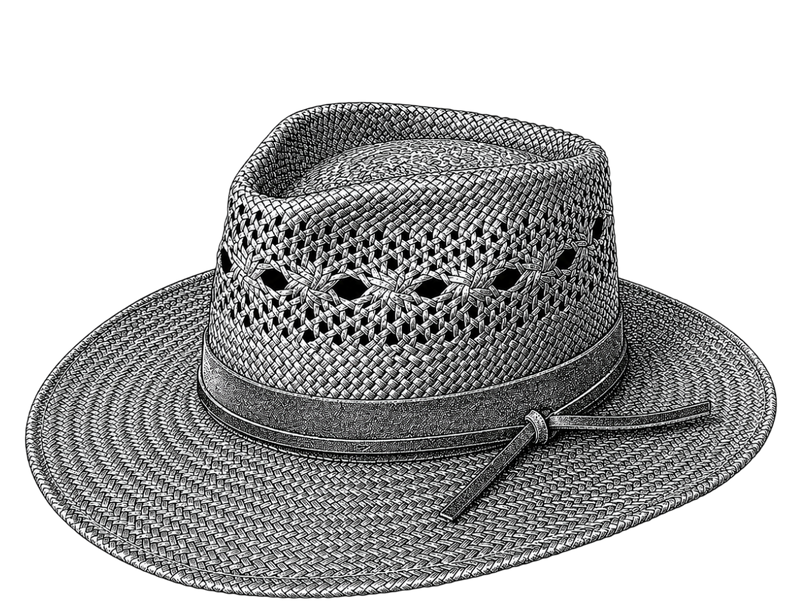
- A structured straw or Panama hat for late spring through early autumn (April-September in Northern Hemisphere temperate climates). Primary function: sun protection and heat management.
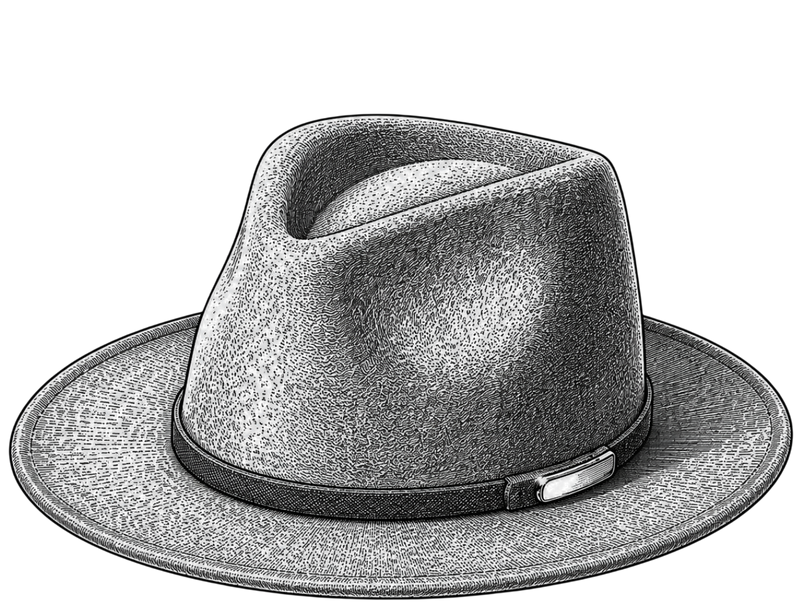
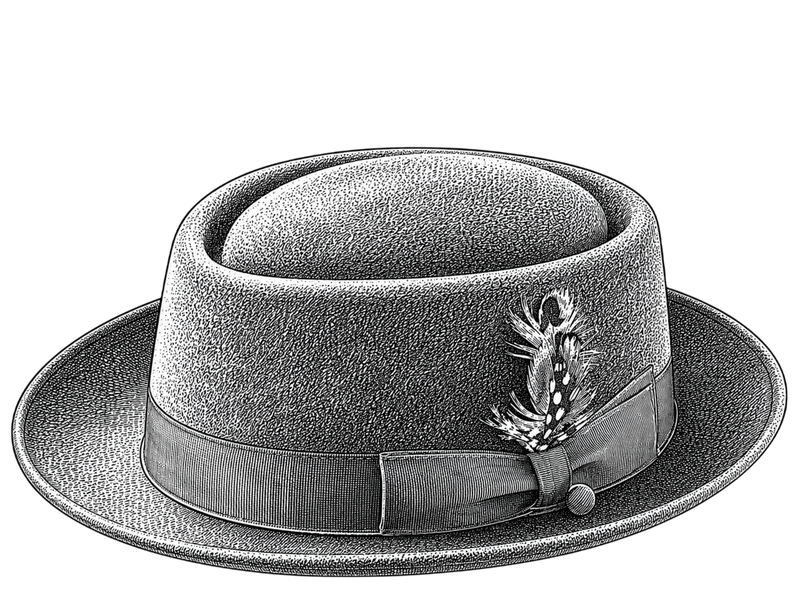
- A medium-weight felt or wool hat (fedora, flat cap, or similar) for autumn and spring transition periods (March-April and October-November). Primary function: moderate warmth and weather protection with style functionality.
- A warm winter hat -- wool or cashmere knit, earflap hat, or heavy felt -- for the winter months (December-February). Primary function: thermal insulation.
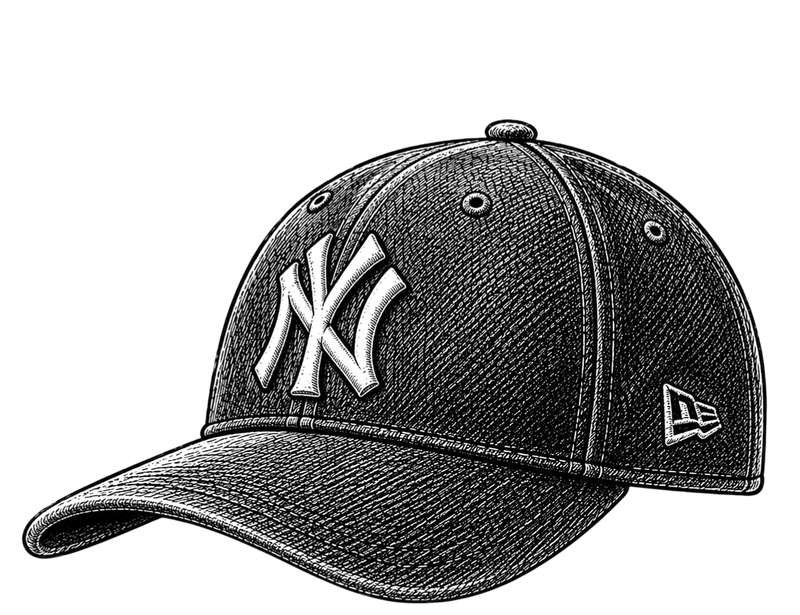
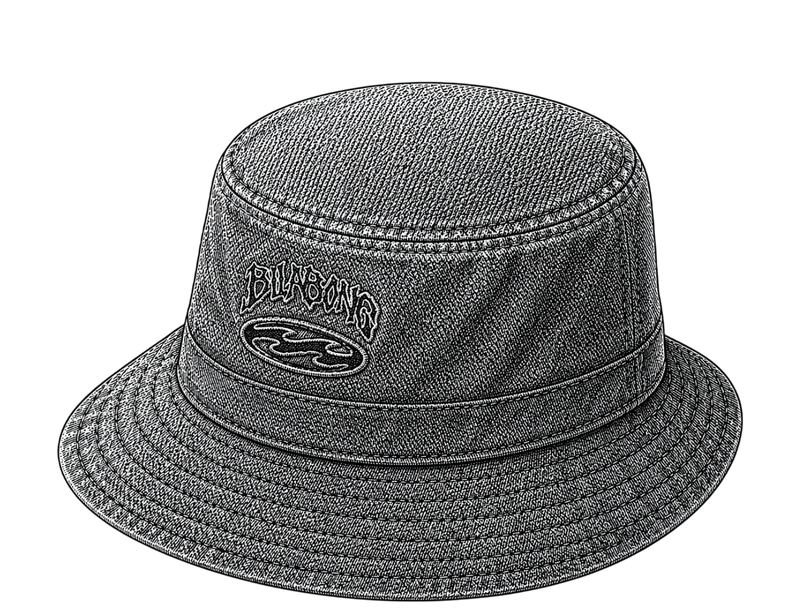
- An all-weather cap (structured baseball cap or bucket hat in quick-dry material) for sports and active use year-round. Primary function: sun protection and sweat management during physical activity.
Everything beyond these four is an elaboration -- either for specialist functions (wedding/event hats, rain hats, extreme cold) or personal collection interest.
Spring: The Transition Problem
Spring is the hardest season for hat selection because conditions vary most -- a day in early March may be cold enough for a winter hat; a day in late April may call for a straw hat. The mistake is committing too early to summer materials or maintaining winter materials too late.
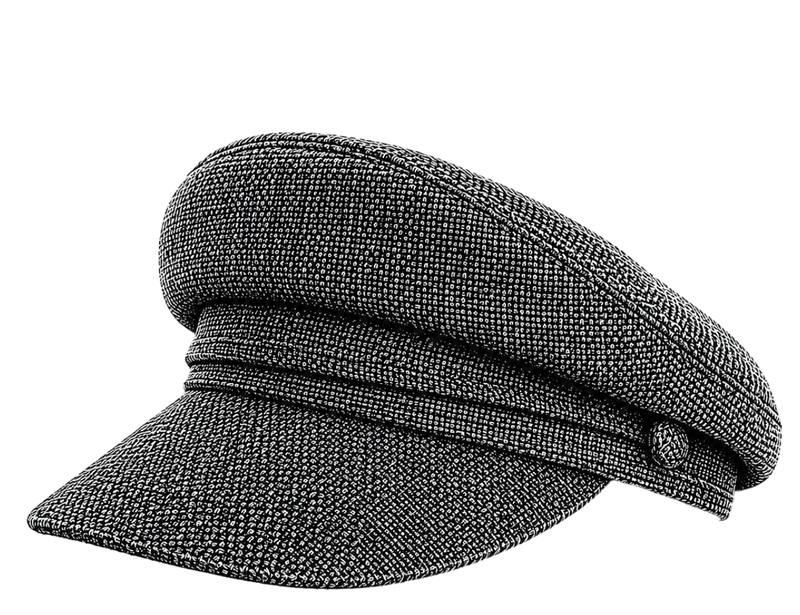
The spring hat is a medium-weight felt or wool hat -- a fedora, flat cap, or structured newsboy cap in a felt or wool blend. These materials provide enough warmth for cool spring mornings while remaining comfortable when temperatures rise through the day. They also handle light spring rain better than straw hats, which can be damaged by soaking.
Spring colours: mid-to-light tones (mid-grey, tan, camel, navy) work in spring where very dark winter colours (charcoal, dark brown) begin to feel heavy. Light colours begin to register as deliberate seasonal choices rather than carryovers from winter.
Summer: Sun Management Is the Function
Summer hat selection is a sun protection decision as much as a style one. Practical requirements for the primary summer hat:
- Brim width adequate for face and neck shading -- 5 cm minimum for partial protection; 8-10 cm for full face and neck coverage at midday sun angles.
- Material breathability: straw (toquilla, raffia, seagrass), vented canvas, or lightweight linen. These allow airflow through and around the crown. Felt and wool create an insulating barrier around the head that is uncomfortable in summer heat.
- Light colour (natural straw, ivory, cream, white, light grey, light blue) to reduce solar heat absorption. A dark hat in direct summer sun absorbs more radiation and transfers it to the head; a light-coloured hat reflects a greater proportion of incident light.
The summer hat wardrobe expands most naturally -- straw hats in multiple styles (Panama for smart occasions, bucket hat for casual and sport, wide-brim for outdoor events) serve different registers while sharing the seasonal material logic.
Autumn: The Return to Felt and Wool
The transition from summer to autumn hat is one of the most satisfying wardrobe transitions because it mirrors the overall move from light, warm-toned clothing to heavier, richer materials. Autumn is felt and wool hat territory -- and autumn colouring (rust, amber, deep green, burgundy, brown) is flattering to most hat colours in the warm neutral range.
Key autumn hat characteristics:
- Felt or wool material (medium weight -- not the lightest summer felt, not the heaviest winter felt)
- Brim adequate for autumn rain -- a structured brim channels water forward rather than letting it fall onto the collar. A 5-7 cm structured brim manages light and moderate autumn rain effectively.
- Earth tones: tan, camel, brown, dark green, burgundy. These coordinate naturally with the autumn wardrobe palette.
The flat cap performs particularly well in autumn because its tweed and herringbone versions were designed precisely for autumn country conditions -- the material, colour palette, and styling all belong to the season.
Winter: Warmth Is the Primary Criterion
Winter hat selection should start with insulation specifications rather than style:
- Wool knit hats (beanie/watch cap): the most practical warmth hat. 100% wool provides better warmth-to-weight ratio than acrylic knits; merino wool is the most comfortable against skin. A doubled-layer knit beanie is noticeably warmer than a single-layer equivalent.
- Cashmere knit hats: warmer per gram than standard wool, exceptionally soft against the skin, significantly more expensive. The practical benefit over quality merino wool is modest; the comfort advantage is more significant.
- Earflap hats: the most technically warm hat for very cold conditions because they cover the ears -- which have no significant fat layer and lose heat rapidly. A wool earflap hat in temperatures below -5°C is meaningfully warmer than a regular knit hat.
- Heavy felt hats: a quality thick felt fedora or homburg provides moderate warmth along with weather protection (wind and rain resistance) that a knit hat does not. For urban winter wear where style is relevant, a heavy felt hat provides the best combination of warmth and appearance, though not the maximum warmth of an insulating knit hat.
The Transition Rule
The key to a functional seasonal hat wardrobe is a transition rule: move to summer materials when the average daily temperature exceeds 18°C for more than three days consecutively; return to autumn and winter materials when it falls below 15°C. This prevents both premature summer hat adoption (straw hat in a late-April cold snap) and winter hat retention too long into spring.
Build your seasonal hat wardrobe across all categories at Hatloom.
Frequently Asked Questions
How many hats does a reasonable wardrobe actually need?
In Hatloom's view, three to four hats covers all seasonal and functional needs without excess: a summer straw or sun hat, an autumn/spring felt or wool hat, a winter warmth hat, and optionally a sports-specific cap. Beyond this, additional hats are personal interest rather than functional necessity -- different styles for different occasions, different colours for different outfits, collector pieces. There is nothing wrong with a larger hat collection, but the practical case for it is preference rather than need.
Can a felt hat be worn in summer?
Yes, but with material limitations. A lightweight felt fedora in a very thin felt can be worn comfortably in warm (not hot) summer weather, particularly in the morning, evening, or in regions with low humidity. Dense felt in high heat and humidity is uncomfortable because it creates an insulating layer over the head that restricts heat dissipation. If a felt hat must be worn in summer, choose the thinnest felt available, wear it for shorter durations, and accept that it will not be as comfortable as a straw alternative.
What hat works for both autumn and spring?
A medium-weight wool or felt flat cap or fedora in a neutral mid-tone (grey, tan, navy, camel) works in both spring and autumn because the temperature ranges and precipitation conditions are similar. The key difference between spring and autumn wearing is colour tone rather than material -- the same grey flat cap works in both seasons, but a deep earthy autumn colour (rust, dark brown) may feel season-specific, while a lighter tan or mid-grey reads as appropriate in both transition seasons.
Is it better to have one high-quality hat per season or several cheaper ones?
One high-quality hat per season is the better investment for several reasons: a quality hat holds its shape, maintains its appearance, and lasts multiple seasons or decades. A cheap hat may require replacement every season, making the total cost over time higher than one quality purchase. A quality hat also rewards care investment -- brushing, proper storage, conditioning -- in a way that a disposable hat does not. The practical guideline: spend the most on the hat you will wear most frequently and for the longest durations; a quality summer hat or autumn/winter felt hat will be worn daily for 3-4 months per year and can last 10+ years with proper care.
How do I store summer hats during winter and vice versa?
Off-season hat storage: store in a hat box (round or oval boxes are best for structured hats), with tissue paper inside the crown to support the shape. Store away from direct light, humidity extremes, and compression. Straw hats stored through winter should be kept in conditions where they will not become brittle -- avoid very dry heated rooms for prolonged periods, as straw can become more crack-prone when extremely dry. Before storing, clean the hat according to its material instructions -- a clean hat in storage is less likely to develop mould or staining than a hat stored with accumulated sweat or soil.