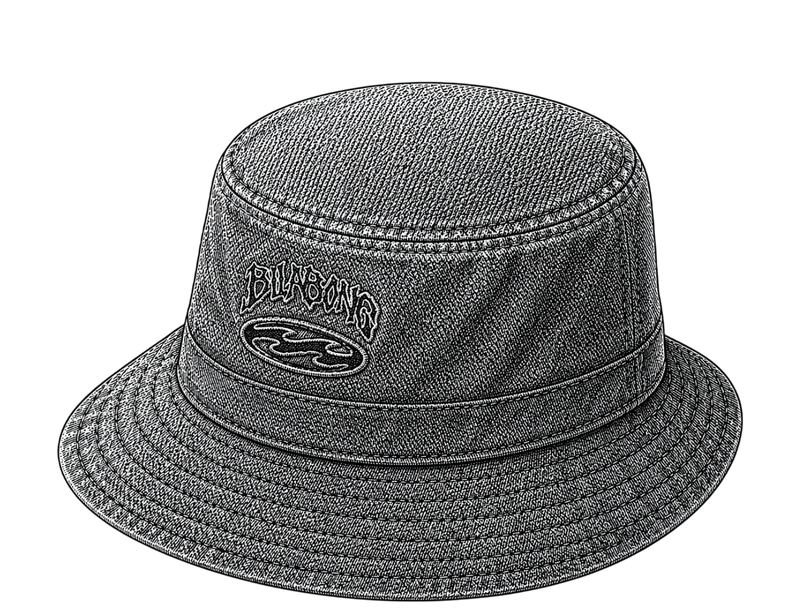
The bucket hat existed as functional fishing and outdoor work wear for decades before anyone decided it was fashionable. The cotton bucket hat worn by fishermen, farmers, and outdoor workers in Ireland, Scotland, and the American South through the early and mid-20th century was not making a style statement -- it was doing a job. The hat's soft, all-around short brim provided shade without obstructing vision or activity; its cotton or canvas construction was cheap, washable, and durable. This work wear origin is the foundation that streetwear and fashion would later claim without acknowledgement, and it is also what gives the bucket hat its most defensible argument for continued use.
The Functional Hat That Predated Its Fashion Career
Evidence of bucket hat-form headwear appears in Irish and Scottish agricultural and fishing contexts from the early 20th century and likely earlier. The 'Irish walking hat' or 'Paddy hat' (a rounded cotton or canvas hat with a short, fully circular downturned brim) was functional workwear in wet climates: the cotton absorbed rain without becoming as rigid as felt, the brim kept water off the face and neck from all sides, and the hat could be folded, sat on, or pushed in a pocket without damage that a structured hat would suffer.
American military use of a bucket hat-form cap in the Vietnam War (the 'boonie hat' or 'giggle hat' issued to soldiers for jungle conditions) established the style in American military fashion memory. The boonie hat's full-circular short brim functioned similarly to the Irish original: all-around sun and rain protection without the bulk or rigidity of a structured hat.

The First Fashion Moment: 1960s Mods
The bucket hat's first documented fashion adoption occurred in British Mod culture of the early 1960s. The style appeared in magazines and on influential figures in the Mod scene as a casual hat that referenced working-class and outdoors heritage while being worn in an entirely urban, fashion-conscious context. This was the template for every subsequent bucket hat fashion moment: a functional work hat adopted by a fashion movement that valued its casualness and its working-class or utility heritage.
Hip-Hop Adoption: 1980s-1990s
The bucket hat's most culturally significant fashion career occurred in hip-hop. LL Cool J, Run-DMC, and the broader Brooklyn and Bronx hip-hop scene of the 1980s wore bucket hats as casual headwear that aligned with the movement's aesthetic of athletic wear, work wear, and functional clothing worn in urban contexts. The association between hip-hop and the bucket hat was not a trend in the fashion industry sense -- it was a cultural adoption by a music and lifestyle community of a hat that suited its aesthetic values.
This hip-hop association gave the bucket hat cultural weight that persisted through its various subsequent fashion moments and is why the bucket hat is simultaneously associated with both its Irish fishing heritage and with New York hip-hop culture -- two very different worlds that both found the same hat useful for their own distinct reasons.
The Festival and Rave Moment: 1990s UK
In British rave and festival culture of the late 1980s and 1990s, the bucket hat became the hat of acid house and the nascent rave scene. Liam Gallagher's bucket hats in the early Oasis period extended the association from underground rave culture into mainstream British rock. The festival hat was practical (it handled rain, stayed on in outdoor conditions), cheap (it could be bought at market stalls), and carried the cultural associations of hip-hop and counter-culture that suited the moment.
Streetwear Integration: 2010s-Present
The contemporary bucket hat boom of the 2010s incorporated the hat into premium streetwear through designer collaborations and brand-specific takes on the style. Supreme, Palace, Off-White, and numerous luxury fashion houses released bucket hats that retained the silhouette while dramatically elevating the price point and material quality. The bucket hat went from a £3 market stall item to a £200 limited-edition release within the same decade.
The luxury bucket hat paradox -- a hat defined by its unpretentious working-class utility available in cashmere or nylon with a fashion house logo for substantial money -- is not an irony that troubled buyers. The hat's core silhouette retained its casual, cool associations while the price and materials moved upmarket.
Browse bucket hats in cotton, nylon, and wool styles at Hatloom.

Frequently Asked Questions
Why is a bucket hat called a bucket hat?
The name comes from the hat's resemblance in silhouette to an upturned bucket -- the rounded crown and downturned circular brim create a profile similar to a bucket placed crown-down. The name is entirely descriptive and functional rather than referencing any origin story or brand. Alternative names for the same hat style include 'fisherman's hat' (referencing the outdoor work wear origin), 'boonie hat' (referencing the American military version), and in some regions 'paddy hat' or 'irish hat' (referencing the Irish outdoor hat tradition).
Is the bucket hat the same as the fisherman's hat?
Yes -- 'fisherman's hat' is one of several alternative names for the bucket hat style. The name 'fisherman's hat' references the hat's practical origins in outdoor fishing and work wear rather than any exclusive association with fishing. In contemporary use, 'bucket hat' is the dominant term; 'fisherman's hat' appears primarily in contexts that want to reference the hat's functional heritage or in Australian and New Zealand contexts where that terminology is more common.
Why did rave culture adopt the bucket hat?
Rave culture's adoption of the bucket hat in 1980s-1990s Britain combined practical and cultural factors. Practically: outdoor raves and festivals required a hat that handled rain, could be worn for long periods without discomfort, and did not have the structured formality of more fashion-conscious hats -- the bucket hat met all these requirements. Culturally: rave and acid house drew on hip-hop aesthetics and working-class British identity, and the bucket hat carried both of these associations. The hat was cheap enough to be accessible to everyone attending events where class differences were supposed to dissolve on the dancefloor, and its cultural associations (hip-hop, casual, anti-establishment) aligned with the scene's values.