The gardening hat has a design problem that most style hats do not: it must work when you are bending over, turning your head in all directions, working in wind, and spending hours in direct sun -- while also being inexpensive enough that contact with soil, compost, or sharp plant materials is not a catastrophic loss. A beautiful wide-brim hat that requires careful handling is not a garden hat. A garden hat is something you can pick up and throw back on without thinking about it.
What a Garden Hat Actually Needs to Do
Function requirements in order of priority for most garden and outdoor work contexts:
- UV protection: Gardeners are among the highest-risk groups for UV exposure -- hours of outdoor activity in direct sun, often without conscious awareness of cumulative exposure. A hat with a minimum 7-8 cm brim on all sides is the baseline for meaningful UV protection during outdoor work. The Skin Cancer Foundation recommends a 7.5 cm minimum brim for protective outdoor hats.
- Stability in movement: A garden hat must stay on during bending, reaching, and turning. Wide-brim hats that provide excellent sun coverage can become management problems when working actively. Either a chin strap, a close-fitting style that sits securely on the head, or a style with a brim that can be pinned or tied is required for active gardening work.
- Breathability: Hours of outdoor work generates heat and perspiration. A hat with good ventilation -- open-weave straw, ventilated panels, or lightweight natural fabric -- makes the difference between a hat worn for the full morning and one removed after 20 minutes of discomfort.
- Durability: A garden hat will contact soil, plants, insects, and moisture. It should be either washable or robust enough to tolerate these conditions without damage. Fine quality straw hats and delicate felt hats are not appropriate materials for active garden work.
- Affordability relative to risk: A hat worn in an active work context will eventually be damaged, stained, or lost. A hat that is too expensive to replace without significant expense creates a decision not to wear it when conditions are rough -- which defeats the UV protection purpose.
Best Hat Styles for Gardening
Wide-Brim Straw Hat (Natural or Seagrass)
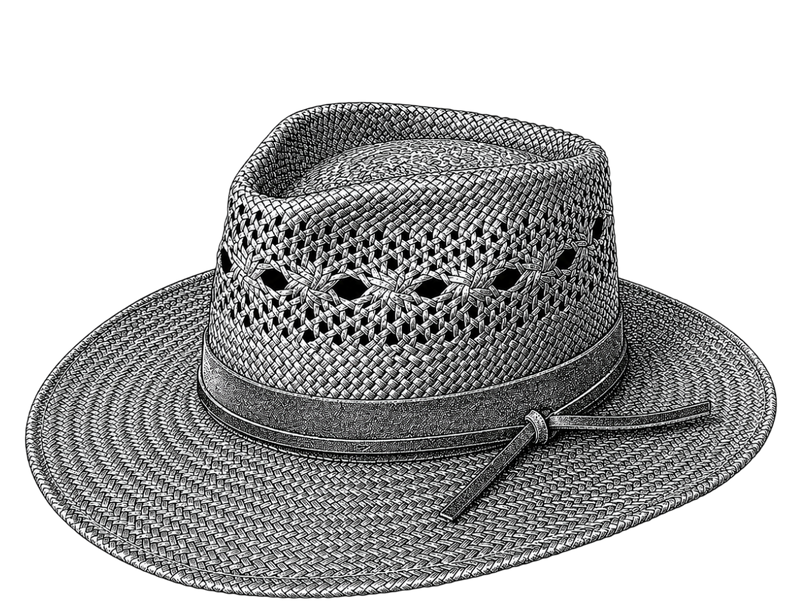
A wide-brim natural straw hat -- 10-15 cm brim -- is the most traditional gardening hat for good reason. The open weave provides excellent ventilation; the wide brim provides full face, neck, and partial shoulder coverage; and natural straw construction is lightweight enough to be worn for hours without discomfort from weight.
The practical limitation: most natural straw hats do not have chin straps and can be blown off in wind or fall forward during bending. Solutions: add a hat pin, use a chin strap if the hat has attachment points, or choose a straw style with a chin cord attached. Some garden straw hats are specifically sold with chin cords for exactly this reason.
Cotton Canvas Wide-Brim Hat
A cotton canvas hat with a wide, stiffened brim is more practically durable than a straw hat for active gardening. Canvas tolerates contact with soil and plant material better than straw, can be spot cleaned or hand washed, and a stiff canvas brim holds its position in wind more reliably than an unbraced straw brim. The trade-off: slightly less ventilation than an open-weave straw hat at equivalent weight.
Look for cotton canvas garden hats with ventilation eyelets in the crown, which significantly improve air circulation compared to solid canvas construction.
Legionnaire Hat (Sun Protection Hat)
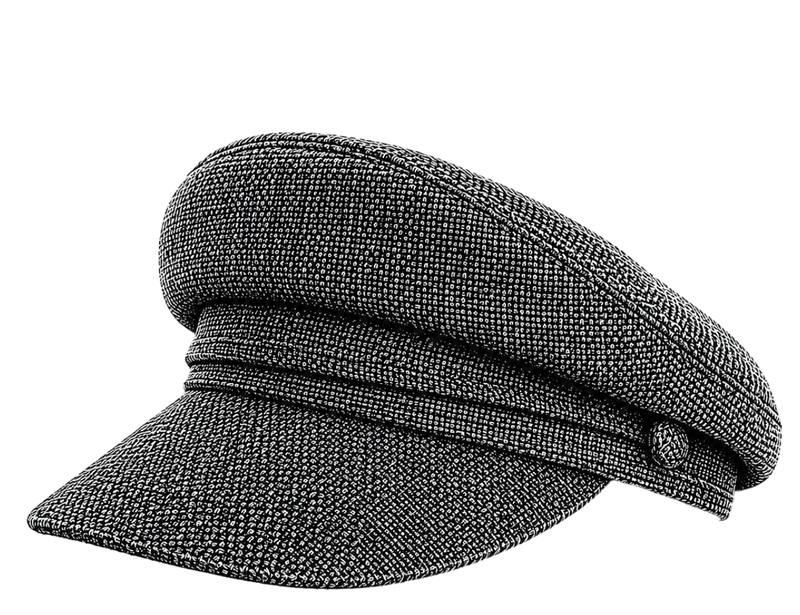
The legionnaire hat -- a cap with a forward brim and a fabric neck flap at the back -- is the highest sun-protection design available in hat form. The neck flap protects the back of the neck and ears, which are among the highest-risk areas for UV exposure during gardening (due to the forward-bending position that exposes the neck to direct sun).
The legionnaire style is explicitly a function-over-form design. It is not a fashion hat and does not pretend to be. Its specific advantage is neck coverage that wide-brim hats in forward-bending positions cannot provide. For gardeners with any UV sensitivity history, this is worth considering as the primary garden hat even at the cost of conventional appearance.
Bucket Hat in Heavy Cotton
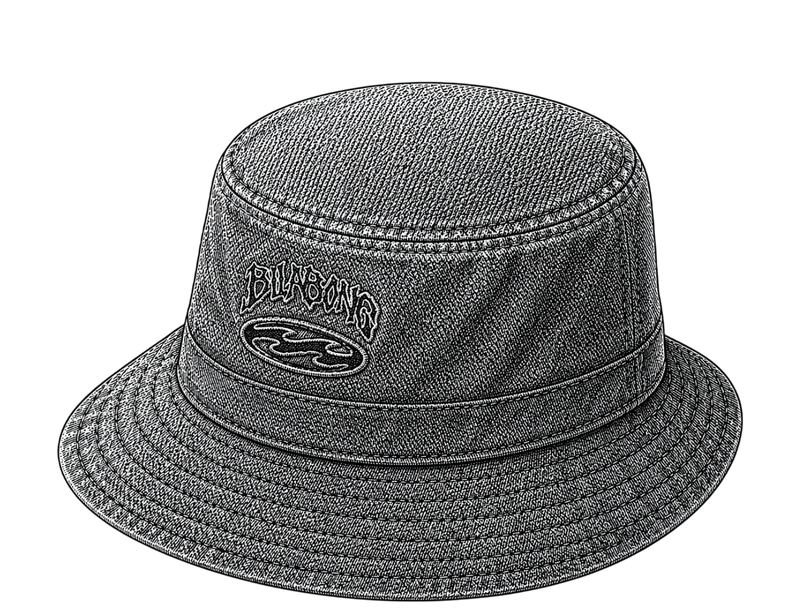
A cotton canvas or heavy cotton bucket hat is the most versatile garden hat for wearers who want something that works both in the garden and in other casual outdoor contexts without the extremity of the legionnaire style. The 360-degree brim provides reasonable sun coverage; the cotton construction is washable; and the bucket hat reads as casual outdoor wear in any context rather than as purely functional garden equipment.
The limitation relative to wider-brim options: a standard bucket hat brim of 5-7 cm provides less coverage than a 10-12 cm wide-brim alternative. For extended gardening in strong sun, the wider-brim option is still preferable for UV protection.
What Not to Wear Gardening
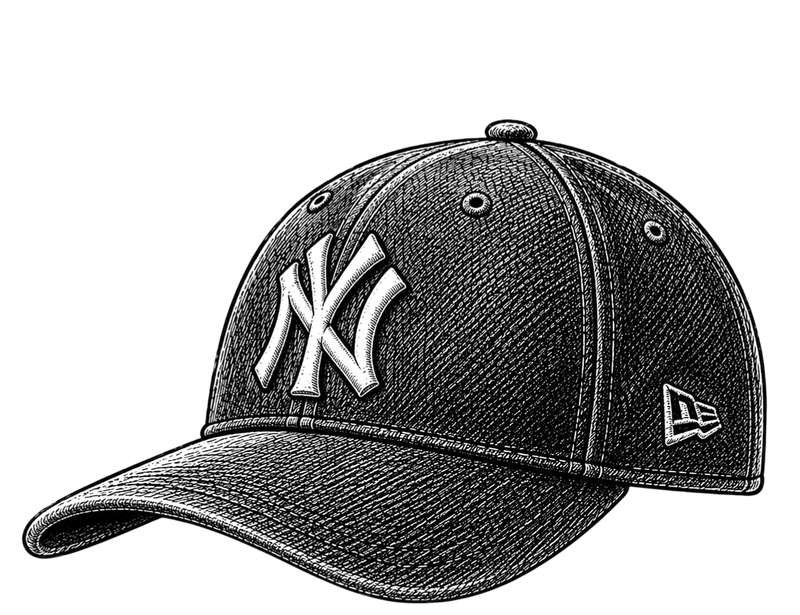
Baseball caps: Baseball caps protect only the face directly in front and above. They provide no coverage for the ears, sides of the face, or neck -- precisely the areas most exposed during gardening postures. A baseball cap is better than nothing for brief outdoor exposure but is inadequate protection for hours of gardening work.
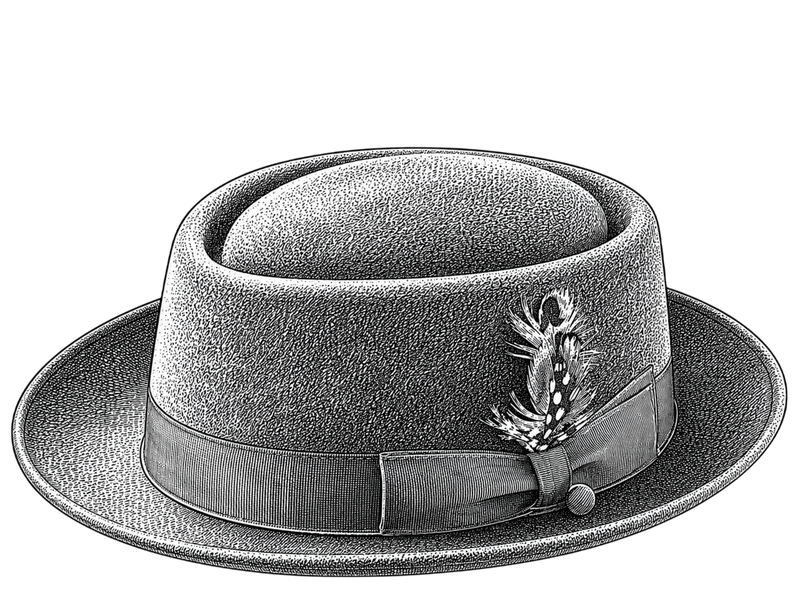
Fine quality straw hats: A fine toquilla Panama hat is too valuable and too easily damaged to be a garden hat. Contact with thorns, soil, or hard surfaces damages fine straw in ways that cannot be inexpensively repaired. Save the quality straw for occasions where it will be treated accordingly.
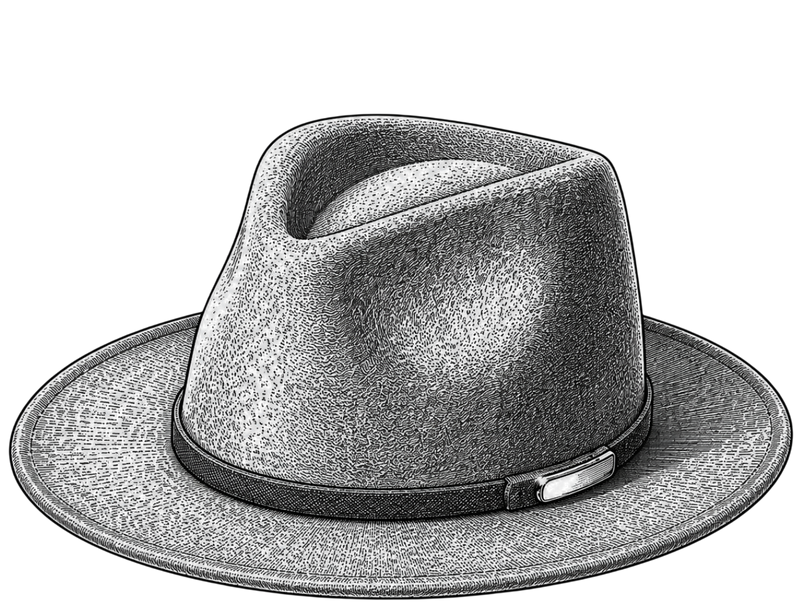
Felt hats: Wool or rabbit fiber felt absorbs and retains moisture, is not appropriate for high-perspiration outdoor work, and is susceptible to sweat staining. Felt hats belong in contexts where they will be maintained with care, not in the garden.
UV Protection Ratings in Hats
Some outdoor hats carry UPF (Ultraviolet Protection Factor) ratings, the same rating system used for sun-protective clothing. UPF 50+ is the highest common rating, indicating that the fabric blocks 98% of UV radiation. UPF-rated hats are typically made from tightly woven synthetic or cotton materials and are most common in outdoor sports and gardening hat categories.
For natural straw hats with open weaves, the UPF rating may be lower than for a tightly woven fabric hat -- the open weave allows some UV through. A wide-brim straw hat with a UPF rating tests the physical shade provided by the brim rather than UV filtering through the weave.
Find wide-brim garden hats and sun-protective outdoor styles in the Hatloom straw hat collection.
Frequently Asked Questions
What hat is best for gardening in hot weather?
A wide-brim (10-12 cm+) open-weave straw hat or a ventilated cotton canvas hat with a similarly wide brim. The brim width determines sun coverage; the material determines breathability. In very hot weather, the open-weave straw is the cooler option; in conditions that combine heat with moisture risk (watering, rain), cotton canvas that can be washed and dried quickly is more practical. Fit both with chin cord security for active work.
How do I keep a garden hat on while bending over?
A chin strap or chin cord is the most effective solution. Many garden-specific hats are sold with a simple cord chin strap that can be tightened when working actively and left loose when standing. For hats without built-in chin straps, a hat pin inserted through the hat into the hair provides security without chin contact. Hat elastic -- a clear elastic available at haberdashers -- can be added to any hat by threading it through the sweatband and looping under the chin.
Can I wear a sun hat that I use for other occasions in the garden?
Yes, with the understanding that garden use will accelerate wear on the hat. A hat that contacts soil, compost, plant matter, and perspiration for several hours per week will show more wear than one used only at outdoor social events. If the hat is a quality piece that you want to maintain in good condition for other occasions, consider having a separate, less expensive garden hat for working use and reserving the better hat for occasions.
How often should I wash a cotton garden hat?
After every 2-3 uses in conditions that produce significant perspiration or soil contact. A garden hat that sits unwashed with accumulated sweat and soil develops odor and visible discoloration that becomes harder to remove the longer it is left. Cotton canvas washes well in cool water with mild soap or in a machine on a gentle cycle; air dry rather than machine dry to prevent shrinkage.
What size brim provides meaningful UV protection?
The Skin Cancer Foundation and Australian sun protection guidelines generally recommend a minimum brim of 7.5 cm for meaningful protection. A 7.5 cm brim shades the face in direct overhead sun; for sun that is lower in the sky (morning and afternoon), or for the neck-exposure positions of gardening work, 10 cm or more provides noticeably better coverage. The wide-brim hat at 10-12 cm provides meaningful coverage in most sun angles encountered during garden work; standard baseball caps and bucket hats with 5-6 cm brims are adequate for brief exposure but not for extended outdoor work.