Children's UV exposure during the first 18 years of life accounts for up to 80% of their lifetime sun damage. A hat worn consistently by a child in outdoor settings from infancy through adolescence is among the highest-impact UV protection interventions available -- more consistently protective than sunscreen alone because children need reapplication frequently, resist it, and often miss the ears and scalp. The right hat solves multiple problems simultaneously.
Why Children's Sun Protection Is Different
Children's skin has less melanin than adult skin and less accumulated UV protection capability. The UV damage that appears as skin aging, photoaging, and potential skin cancer risk in adults begins with childhood sun exposure -- and because the damage is cumulative and the consequences appear decades later, children themselves are not motivated to protect themselves. The hat has to be appropriate enough that children will wear it voluntarily, or light enough that parents can establish the habit before children have the capacity to refuse.
The Right Hat by Age Group
Infants (0-12 Months)
Infants should not be in direct sun for extended periods regardless of hat use. When sun exposure is unavoidable, an infant hat needs full head coverage including ear flaps or extended side coverage. The bonnet style -- a close-fitting fabric hat with neck flap and side ear coverage -- provides comprehensive protection for the head and neck areas most vulnerable in infants. Wide-brim styles that infants can grab and remove are less practical than close-fitting styles that stay on.
Material for infants: lightweight cotton or muslin, not synthetic materials. Infants regulate body temperature less efficiently than older children, and overheating under a synthetic hat is a real concern in warm weather.
Toddlers (1-3 Years)
Toddlers are old enough to remove hats and young enough to do so repeatedly. The practical requirement is a hat that is difficult for small hands to remove -- a chin strap (essential for toddlers) and a close-fitting construction. Wide-brim hats without chin straps will not be worn by toddlers in any outdoor setting with wind or active movement.
The toddler hat needs: chin strap, 7-8 cm all-around brim for face and neck protection, machine-washable material (toddlers are in outdoor activities that involve significant soiling), and a construction that tolerates rough handling.
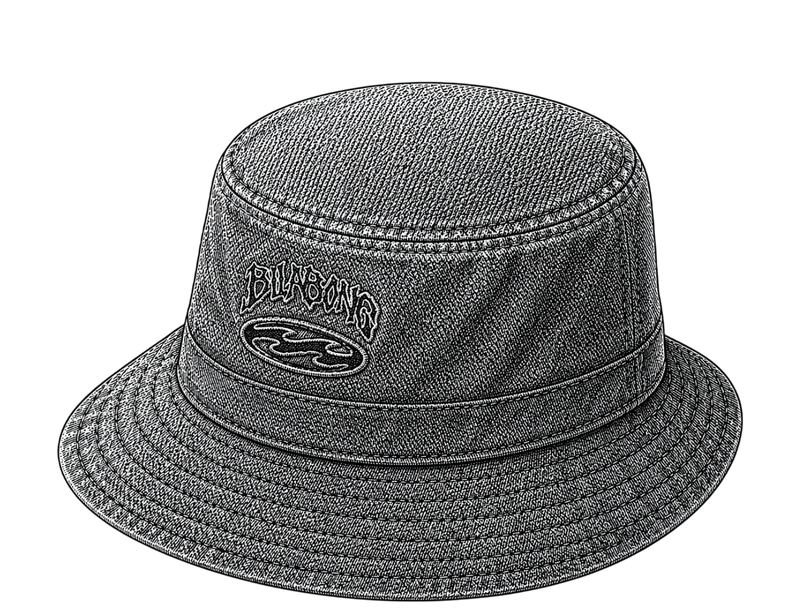
Bucket hats with chin cords are among the most practical toddler hat options: they tolerate rough handling, the chin cord provides security, and the all-around brim provides adequate coverage.
School-Age Children (4-12 Years)
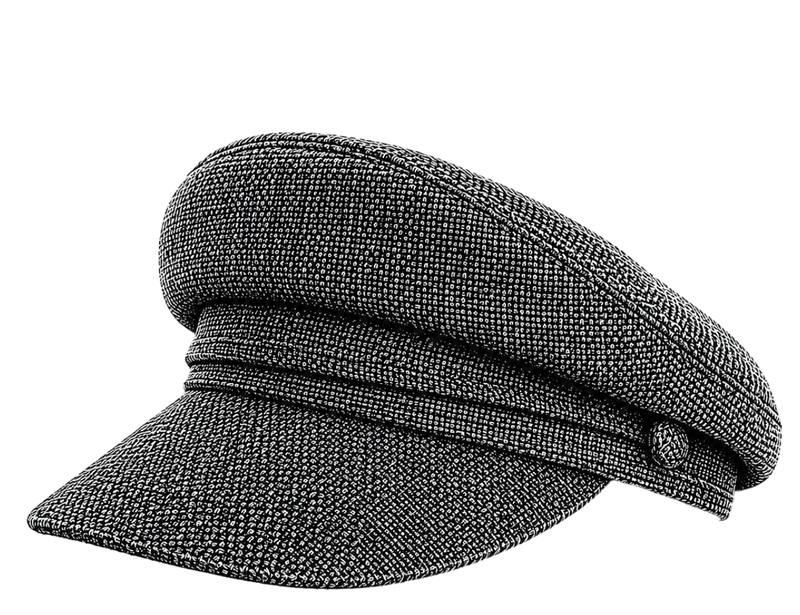
School-age children in outdoor settings -- playgrounds, sports, beach days, outdoor activities -- need hats that provide adequate protection while being appropriate for active movement. The legionnaire hat (cap with neck flap) is the most functionally protective choice for outdoor active play -- the neck flap covers the back of the neck and ears that are the highest UV-exposure areas during outdoor play.
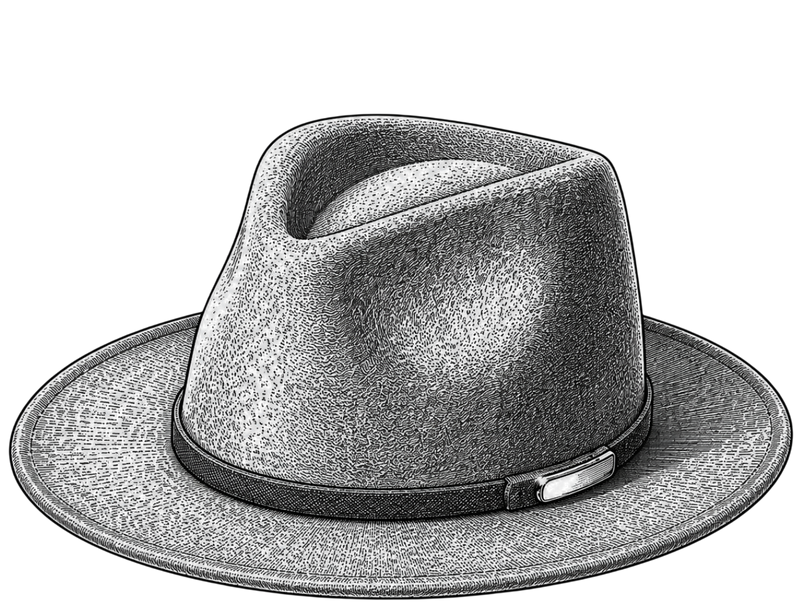
For school uniform contexts in sun-intensive climates (Australia, southern US, Mediterranean countries), wide-brim hats with minimum 7.5 cm brim are now recommended or required by many schools. A hat in school colors that meets this brim standard is both compliant and protective.
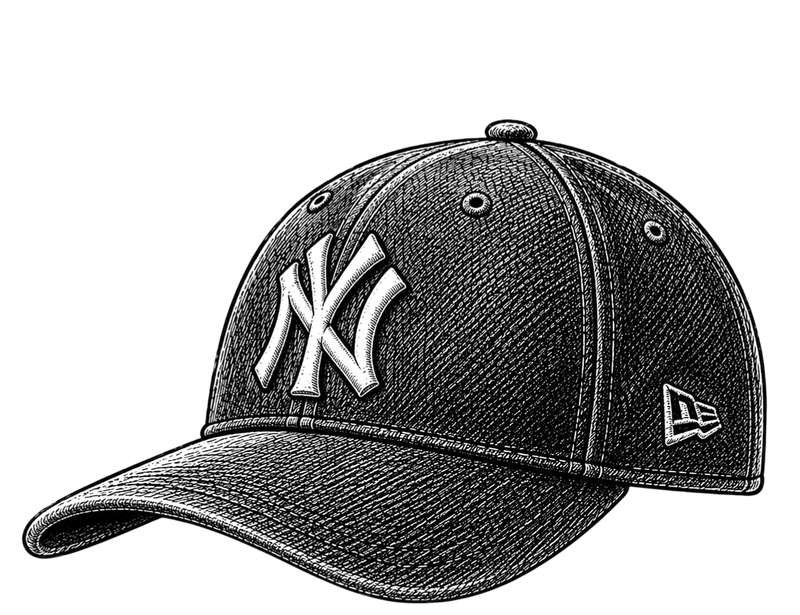
Compliance consideration at this age: children are beginning to form opinions about appearance and peer contexts. A hat that looks consistent with the child's peer group is more likely to be worn voluntarily. Plain-colored bucket hats, sports-branded caps (worn correctly, not as primary sun protection for extended outdoor exposure), and children's versions of adult styles all have better compliance than hats that children perceive as babyish or unusual.
Teenagers
Teenagers are the age group with the highest resistance to sun protection practices and the highest UV exposure (outdoor sports, beach activities, social outdoor settings). The hat approach that works for teenagers is not the one with the best UV protection properties -- it is the one the teenager will actually wear. A baseball cap that the teenager will wear throughout outdoor activity provides more protection than a wide-brim hat that sits on a bag because it is perceived as uncool.
For teenagers who are willing to engage with hat wearing: a wide-brim bucket hat in streetwear materials and colorways may bridge the UV protection goal and the style acceptability requirement. Performance sports caps with UPF ratings provide meaningful protection for sports contexts while fitting the sports aesthetic.
The realistic approach for teenagers: normalize the habit through early childhood (a teenager who grew up wearing hats outdoors has established behavior that is easier to continue), choose hats in acceptable styles for the specific teenager, and supplement with other UV protection measures when hat wearing is not practical.
Key Features in Children's Hats
Brim width: A minimum of 7.5 cm all around is the standard recommendation for meaningful UV protection in children's hats. This standard comes from Australian sun protection guidelines (one of the most evidence-based national standards for this question).
Chin strap or chin cord: Essential for infants and toddlers. Strongly recommended through age 8 for outdoor active settings. A hat without chin security is a hat that will be removed.
UPF rating: A UPF 50+ rating on a children's hat indicates the fabric blocks 98% of UV radiation. Look for this rating on hats for outdoor-intensive use (beach, extended outdoor play, sports).
Machine washability: Children's hats will require regular washing. A hat that cannot be machine washed is not practical for regular children's use.
Ventilation: Children overheat more readily than adults. Ventilation eyelets in the crown or an open-weave construction prevents the hat from becoming a heat-trap in warm weather.
Find quality children's hats and sun-protective styles for young wearers in the Hatloom collection.
Frequently Asked Questions
What brim size is needed for meaningful UV protection for children?
A 7.5 cm all-around brim is the standard recommendation for children (from Australian sun protection guidelines, the most evidence-based national standard for this specific question). This brim size provides meaningful protection for the face, ears, and upper neck in overhead sun. For beach and extended outdoor settings, a 10 cm brim provides better coverage as sun angle changes throughout the day. Baseball caps with a forward visor only are inadequate for extended outdoor protection regardless of brim length.
How do I keep a hat on my toddler?
A chin strap that the toddler cannot easily remove is essential. The chin strap should have a safety release (breaks under significant force) to prevent strangulation risk while still providing security against ordinary hat removal attempts. Choose a chin strap that closes with a snap rather than a drawstring for small children -- draws strings present their own safety concern. At the beginning of establishing the habit, make the hat part of the outdoor routine from the first time outside, rather than introducing it after the child is already engaged in outdoor activity.
Are baseball caps enough sun protection for kids?
For brief outdoor exposure, yes. For extended outdoor activities -- a full school day outdoors, beach days, outdoor sports, playground time -- no. A baseball cap protects the face directly above and in front but leaves the ears (high-risk area for sun damage in children), the back of the neck, and the sides of the face largely unprotected. For extended outdoor activity, a wide-brim hat (7.5 cm+ all around) or a legionnaire hat with neck flap provides substantially better protection. In Australian schools with outdoor sport programs, wide-brim or legionnaire hats are now often required specifically because baseball caps are insufficient.
Do children need different hats for different activities?
Practically yes. A wide-brim straw hat that provides excellent beach UV protection is not appropriate for active outdoor sports (it falls off, the brim interferes with movement). A sports cap that is appropriate for outdoor sports provides insufficient coverage for static beach or garden exposure. One hat rarely covers all outdoor contexts adequately -- a beach hat for water and sun-intensive days, and a sports cap or legionnaire hat for active outdoor activities, is the practical two-hat solution for children with varied outdoor activity.
My child refuses to wear a hat. What do I do?
Establish the habit before the child is old enough to refuse -- from infancy through age 3, hat wearing can be normalized as simply what happens before going outside, like shoes. For older children who already resist: involve them in choosing the hat (a hat the child had some agency in selecting is more likely to be worn); connect hat wearing to activities the child values (sports teams wear caps; outdoor play requires hats); and model hat wearing yourself. For teenagers: the most effective approach is normalizing through early habit establishment, since after-the-fact compliance is difficult without social support from the peer group.