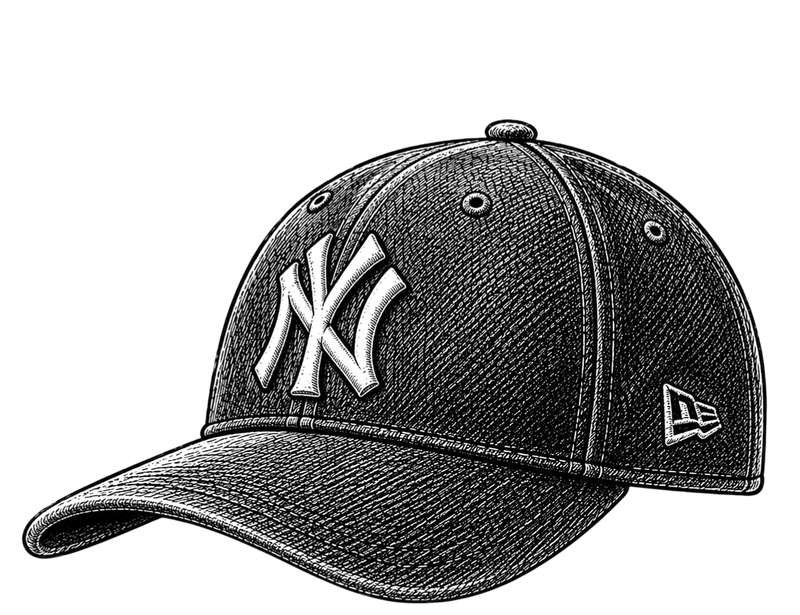
Streetwear's relationship with hats is not a fashion trend that has come and gone -- it is a structural shift in what hat wearing means in contemporary culture. Before streetwear's emergence as a global force in the 1980s and 1990s, hat wearing was understood primarily through formal and functional lenses: hats completed outfits, protected wearers from sun and cold, and communicated social position. Streetwear added a third framework: the hat as identity signal, cultural membership marker, and collectible object independent of any outfit or protection function. Understanding this shift explains why the baseball cap became the world's most widely worn hat and why a $50 limited-edition cap can sell out in minutes.
How Streetwear Reinvented the Cap
The baseball cap entered streetwear through hip-hop in the 1980s primarily through the sporting affiliations of early hip-hop artists and the New York cultural geography they emerged from. New York teams -- most significantly the Yankees -- had caps that carried local identity content beyond the sporting affiliation. Wearing a Yankees cap in 1980s New York was a statement about where you were from. Wearing a Yankees cap anywhere else in the United States was also a statement -- about alignment with a certain cultural identity, not local team affiliation.
The crucial insight that streetwear exploited was that a cap could carry identity content without that content being about the hat's origin sport, team, or function. A cap with a logo or graphic that was not a sports team -- not a corporate brand, not a designer house, but a specifically streetwear brand -- could carry the same cultural weight as a sports cap. Supreme's box logo caps, Stussy caps, BAPE caps, and hundreds of others that followed created hat culture that was about the brand's cultural positioning rather than any heritage claim.

The Limited Edition and Scarcity Model
Streetwear's most significant structural innovation for hat culture was the application of artificial scarcity to a mass-manufactured object. A baseball cap can be produced in any quantity at relatively low cost. Streetwear brands discovered that restricting supply to below demand converted a functional hat into a sought-after object. The result was a market dynamic that had not previously existed for hats: release queues, resale markets, and price appreciation for specific hat editions.
Supreme's drop model -- releasing limited quantities of caps and other products on specific dates, either in physical stores or online -- was the most influential version of this approach. The model has been widely copied and is now standard across streetwear and into mainstream fashion.
The hat became, in this model, a collectible as much as a wearable item. A deadstock (unworn) cap in its original packaging from a specific collaboration or release date can be worth multiples of its original retail price. This is a genuinely new thing in hat culture -- traditional fedoras or Panamas had no resale market of this kind.
Collaboration Culture
Streetwear's collaboration model -- a brand working with another brand, artist, or cultural figure to produce a co-branded product -- has been particularly important for hats. The baseball cap's front panel is a natural billboard for co-branding, and collaborative caps between streetwear brands, luxury houses, artists, and other cultural entities have generated some of the most commercially successful hat releases in contemporary retail.
Notable shifts that collaboration culture created in hat market:
- Luxury brands entering the streetwear cap market (Louis Vuitton, Gucci, Dior) elevated the price ceiling and the aspirational coding of the baseball cap
- Artist and musician collaborations gave caps cultural legitimacy beyond brand identity alone
- Sneaker brands applying their footwear collaboration model to caps (Nike, Jordan Brand, New Balance) created hat releases within the sneaker culture ecosystem
The Current Landscape
Cap culture in 2025 has matured from the peak streetwear hype of 2015-2020 without losing its structural innovations. Several things are now permanent parts of hat culture because of streetwear's influence:
- The hat as a collectible and identity marker is established beyond reversal
- Logo and graphic-forward cap design is the default in the contemporary casual hat market
- Release culture and limited availability are standard commercial tactics for premium caps
- The price ceiling for a baseball cap has expanded dramatically -- a cap at $300-500 retail is accepted in the current market in a way it would not have been twenty years ago
Browse caps in classic and contemporary styles at Hatloom.

Frequently Asked Questions
Why are some baseball caps so expensive?
Expensive baseball caps carry different types of value that are independent of material or construction cost. A Supreme box logo cap costs more than the fabric and production justify because it carries brand identity value, cultural positioning, and (in the case of limited editions) scarcity value. A luxury brand's cap costs more because it carries the brand's prestige positioning and, in some cases, materially superior construction. A collaboration cap between two sought-after brands costs more because the combination of both brands' identities creates more cultural value than either alone. The question 'is this cap worth the price' is the wrong frame -- the relevant question is 'what does this price get me beyond a functional cap?' The answer is cultural membership, identity expression, and in some cases investment value through resale markets.
What does wearing a luxury brand cap communicate?
A visible luxury brand logo on a cap (whether the brand is a heritage fashion house or a streetwear brand with luxury positioning) communicates awareness of and access to that brand's cultural world. The communication is precise about the brand: wearing a Gucci monogram cap is different from wearing a Supreme box logo cap, which is different from wearing a vintage Stussy cap. All three communicate fashion awareness and cultural access, but to different communities and with different specific implications. The person who can accurately read these distinctions is in the cultural world the cap references; the person who cannot is not.
Is streetwear cap culture a fad or a permanent shift?
The specific hype peaks come and go, but the structural changes are permanent. The understanding that a cap can carry identity content and cultural value beyond its function as a sun hat is not going back. The resale market for limited edition caps is not going away. The collaboration culture between brands producing co-branded caps is now standard across fashion retail. What changes is which specific brands, releases, and collaborations carry the most cultural weight at any given moment -- the mechanism is permanent; the specific objects it values are constantly cycling.