Military headwear solves a specific and often conflicting set of problems: it must protect the wearer from environmental conditions, identify rank and unit affiliation, and confer authority. These requirements have produced an extraordinary range of hat forms across military history -- many of which then crossed into civilian fashion, often losing their military function entirely while retaining their visual identity. The baseball cap, the beret, the peaked officer's cap, and several other hat forms all have military origins that shaped the styles still worn today.
Ancient and Medieval Military Headwear
The Helmet Tradition
Military headwear before the 16th century was primarily functional: helmets in bronze, iron, and later steel designed to deflect blows and projectiles. The Greek Corinthian helmet, the Roman galea, the Viking helmet, and the medieval great helm all prioritised protection. Rank was indicated through plumes, crests, and decorative work on the helmet itself rather than through hat form.
Non-Protective Military Caps
Beyond helmets, military units wore fabric caps for non-combat duties, camp life, and garrison service from at least Roman times. The Phrygian cap -- a soft conical cap with a forward-drooping tip -- was associated with freed slaves in Rome and later with military auxiliaries from Eastern regions. Its association with liberty made it a recurring symbol in revolutionary movements more than a thousand years after its Roman military use.
The Early Modern Period: 1500s-1700s
The Morion
The morion was the standard infantry helmet of the 16th and early 17th centuries -- a crested steel helmet with an upswept brim at front and rear and a high comb along the crown. Spanish conquistadors brought the morion to the Americas; it is one of the most visually distinctive military hats of any era. The morion was a combat helmet, not a dress hat, and was replaced by lighter forms as firearm tactics changed battlefield engagement patterns.
The Tricorn
The tricorne (three-cornered hat) dominated European military and civilian fashion from the late 17th century through the late 18th century. The hat's three upturned brim edges created a distinctive profile, and in military contexts it indicated officer status -- enlisted men wore different forms. The tricorn is closely associated with the American Revolutionary and Napoleonic periods and is one of the most recognisable silhouettes from this era.
The Bicorn
The bicorn -- a two-pointed hat formed by folding the brim up at the front and rear rather than the sides -- was adopted across European armies in the late 18th century. Napoleon Bonaparte is the figure most associated with the bicorn in popular historical memory, and his habit of wearing it turned sideways (making his hat profile visible at the front rather than the side) created one of history's most recognisable military hat images.
The 19th Century: Peak Military Hat Diversity
The Shako
The shako was the standard infantry hat of most European armies from approximately 1800 through the mid-19th century: a tall, cylindrical or slightly tapered stovepipe form, usually with a visor, a front plate or badge, and often a decorative plume or pompom. The shako is closely associated with the Napoleonic Wars era and appears in military uniforms from France, Britain, Russia, Prussia, and the United States from this period.
The Kepi
The kepi -- a cylindrical flat-topped cap with a short visor -- replaced the shako in most Western armies in the mid-19th century as a more practical and less cumbersome field hat. The French army's red-and-blue kepi is the most iconic version; the American Civil War kepi (in blue for Union, grey for Confederate) brought the style to North American military history. The kepi influenced later military caps and has survived as a French military dress uniform component to the present day.

The Pith Helmet
The pith helmet (also called the solar topi) was the defining headwear of European colonial military forces throughout the 19th century and into the early 20th. Made from the pith of the Indian shola plant (later from cork or compressed paper), it was light and provided significant sun protection in tropical conditions. The helmet's visual association with British colonial expansion is inseparable from its history.
The 20th Century: Standardisation and Civilian Crossover
The Officer's Peaked Cap
The peaked cap -- a structured cap with a flat circular top, a forward-projecting peak (visor), and often a chin strap -- became the standard officer's dress hat across most 20th century military forces. The peaked officer's cap is immediately recognisable as a symbol of military authority and has been adopted into civilian contexts from airline pilots to security uniforms to fashion. The cap's structured silhouette communicates authority regardless of context.
The Beret
The beret's military history begins in earnest with the French Army's use of it as a practical field cap in the late 19th century. The British adopted it for tank crews in the First World War (the beret fits under a headset and does not obstruct tank crew operations the way a peaked cap does). It became the standard British military beret in 1924 and has since been adopted by armies worldwide. Beret colour carries unit identity in most armies: the British SAS wears sand-coloured berets; the Parachute Regiment wears maroon; US Army Special Forces wear green.
The Field Cap and M43
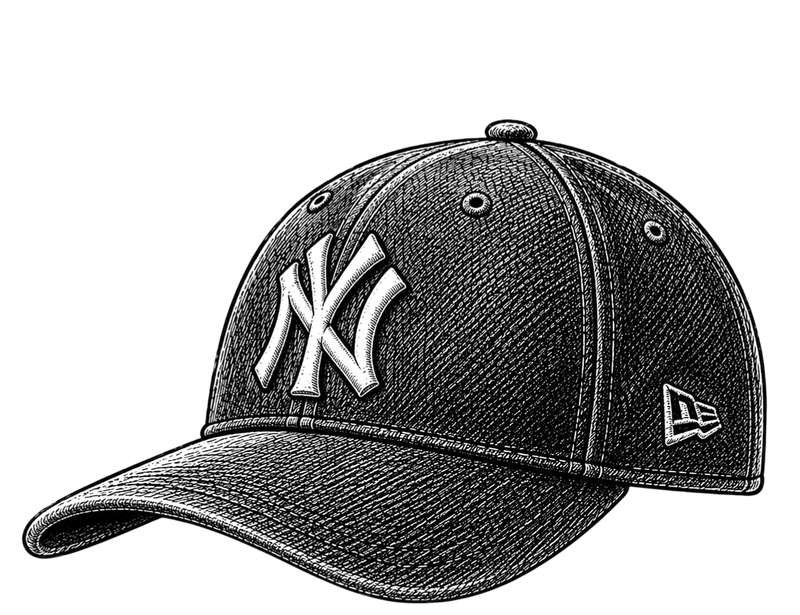
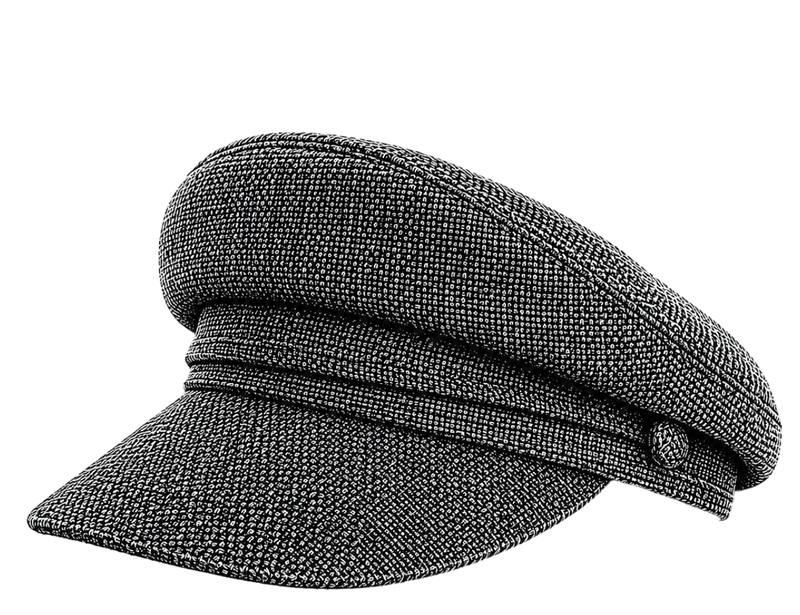
Second World War military field caps were practical, soft-sided caps for everyday field use. The US Army Officer's Field Cap, the German Wehrmacht M43 field cap, and similar forms are direct ancestors of modern unstructured baseball caps and trucker hats. The soft-sided cap with a front visor is a practical design that has been in continuous military and civilian use for over a century.
Explore military-influenced hat styles and classic cap designs at Hatloom.
Frequently Asked Questions
Which military hat had the most influence on civilian fashion?
The beret's civilian adoption is arguably the most complete: it has entirely shed its military association in most contexts and is worn as a fashion hat with no reference to its military origin. The peaked cap has been widely adopted for uniforms in non-military authority contexts. The baseball cap, though it originated in sport rather than the military, was standardised and mass-produced through military use in the mid-20th century which contributed significantly to its global distribution. Of hats that originated specifically in military use, the beret has had the deepest penetration into non-military civilian dress.

What does beret colour signify in military contexts?
Beret colour is used to denote unit affiliation and, in some armies, elite status. In the British Army, maroon berets are worn by Airborne forces, sand berets by the SAS, dark blue by the Royal Marines, and green by the remainder of the army. In the US Army, tan berets are worn by Army Rangers, green by Special Forces, and maroon by Airborne units. In NATO armies broadly, beret colour serves as one of the most visible immediate identifiers of a soldier's unit, which is why the awarding of a coloured beret upon completion of selection or qualification training carries significant ceremonial weight.
Why do military hats often have visors?
Visors serve the same function on military caps as on any other hat: they shade the eyes from the sun. The visor or peak also creates a visual line that frames the face and projects the hat forward, which creates a more commanding visual profile -- an effect that is useful in the communication of authority that military dress emphasises. The visor on an officer's peaked cap is often highly polished and elaborately decorated, transforming a functional sun-shading element into a status marker. The practical sun-shading function is real and persistent; the status communication function has developed around it.