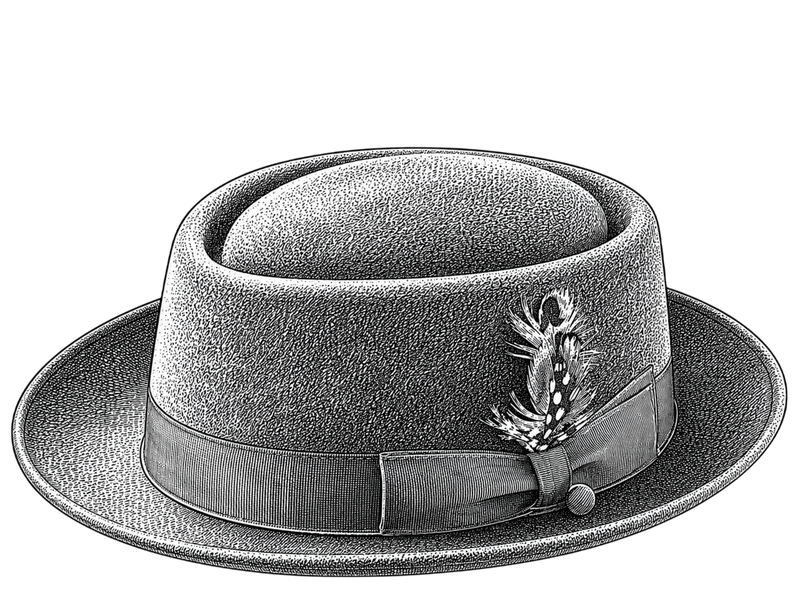
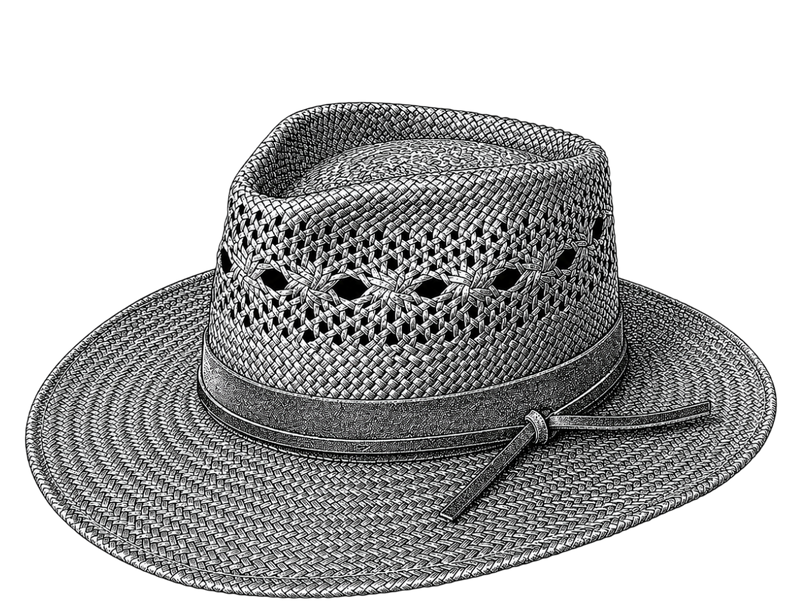
The mistake in building a hat wardrobe is buying in the wrong order. Most first-time hat buyers purchase the hat they find most visually exciting -- often a fedora or a western-influenced style -- wear it once or twice, find it does not fit easily into their daily life, and conclude that hats are not for them. The hat they should have bought first would have been worn weekly. The order of purchase matters as much as the choice itself.
The Logic of Hat Wardrobe Sequencing
A hat wardrobe should be built from the most-worn outward. The first hat should be the one with the highest probability of daily use -- not the most interesting hat, not the most impressive one, but the one that integrates most naturally with how you already dress. Later purchases can expand into more deliberate style choices once the habit of hat wearing is established.
Two criteria for the first hat:
- Versatility: it should work with the widest possible range of outfits you already own.
- Correctness for your primary season: a hat you cannot wear for most of the year because of weather incompatibility will not establish a wearing habit.

Budget Tier 1: Starting Under 50 EUR
A first hat for under 50 EUR should be a practical, versatile piece rather than a style statement. The most valuable purchases in this range:
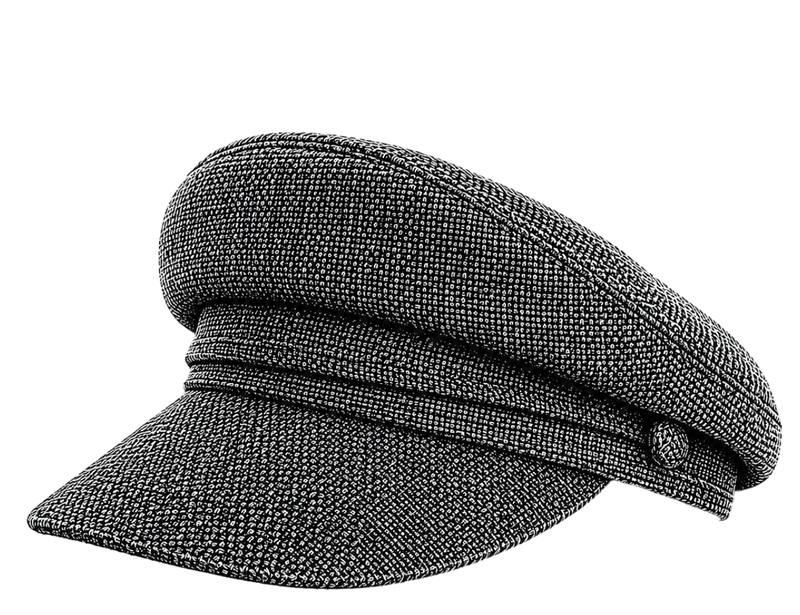
- A flat cap in grey or tan: at 25-45 EUR, a decent wool-blend flat cap is available that will wear well for casual use. At this price point, construction quality is adequate but not excellent -- the lining will be basic and the material will be a wool blend rather than pure wool. The practical use is good; longevity is 2-4 years with regular wear.
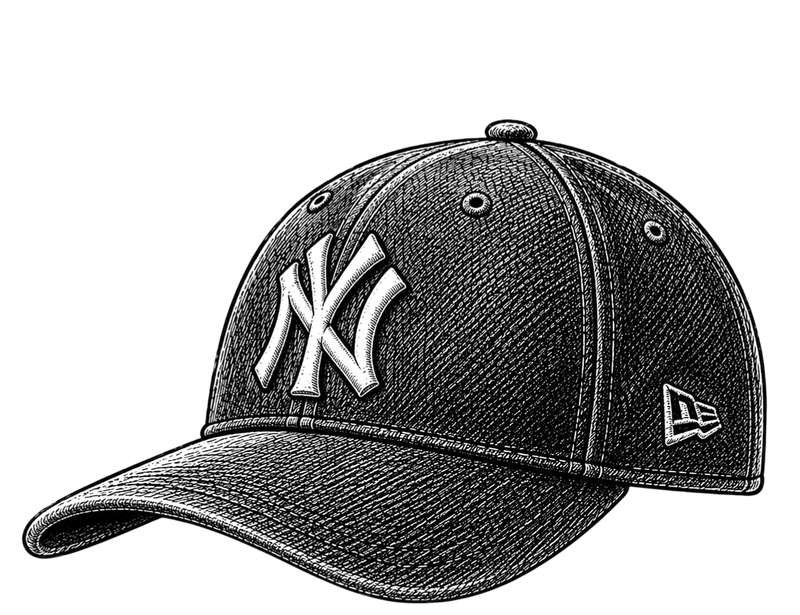
- A structured baseball cap in a neutral colour (navy, black, grey): at 20-40 EUR, a structured cotton or cotton-blend cap with a curved brim is available in quality sufficient for regular use. This hat is the most versatile for casual daily use because it carries no significant style commitment -- it reads as ordinary in the best sense.
What to avoid at this budget: fedoras. Entry-level fedoras under 50 EUR are typically made from low-quality felt that loses shape quickly, has a synthetic finish that reads as cheap, and does not photograph or hold up to daily wear. A bad fedora is a worse first hat experience than no fedora.
Budget Tier 2: 50-150 EUR
This range opens quality options that justify the investment:
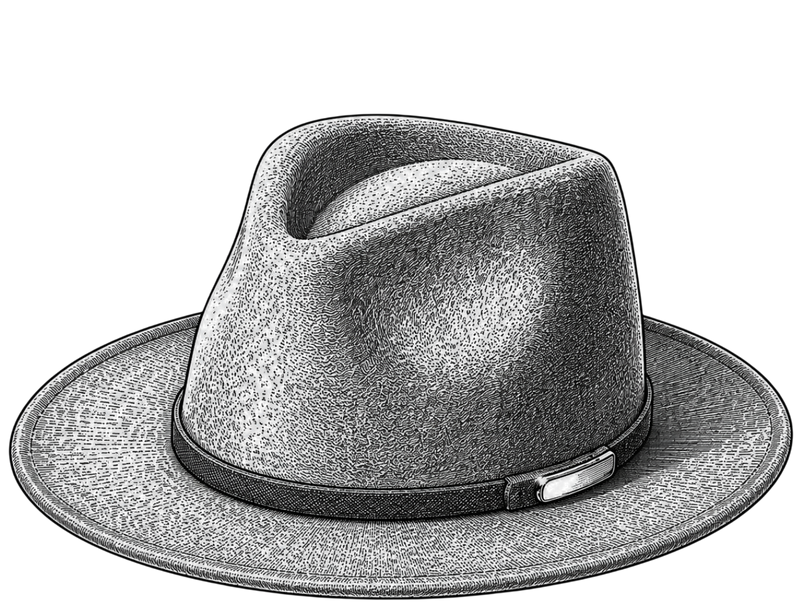
- A quality felt fedora (mid-grade, 70-130 EUR): at 70-130 EUR, a felt fedora with a wool felt body, quality stitching, and a proper grosgrain band is available. This price range includes entry-level offerings from established European hat makers. The hat will hold its shape, develop character with wear, and last 5-10 years with reasonable care. In neutral colours (grey, tan, camel), this is the hat that justifies the fedora's reputation as a versatile sophisticated piece.
- A genuine straw Panama hat (60-100 EUR): entry-level genuine toquilla straw Panamas (distinguishable from paper straw imitations) begin around this price. A genuine Panama at 60-100 EUR will be a lower-grade weave but will still have the flexibility, breathability, and durability advantages of real toquilla straw over synthetic alternatives.
- A quality flat cap in pure wool or herringbone tweed (50-90 EUR): at this price, the flat cap moves from wool blend to better materials and better construction. A well-lined, properly structured flat cap in this range will wear better and maintain its shape through more seasons than an under-50 EUR version.
Budget Tier 3: 150-400 EUR
The quality investment range -- hats that will last a decade or more with proper care:
- A quality fur felt fedora (150-300 EUR): rabbit or beaver felt fedoras at this price point have materially superior feel, water resistance, and durability compared to wool felt equivalents. The hat has a different surface quality -- fine, slightly lustrous, with a softness that is immediately perceptible. A fedora at this level is a purchase made once rather than repeated. European makers with established reputations (certain Italian, German, and Czech hat manufacturers) produce quality pieces in this range.
- A fine-grade Panama (120-250 EUR): a finer-weave genuine Montecristi-influenced Panama at this price produces visible quality difference -- a tighter weave, better flexibility, and a more refined overall appearance. This level of straw hat is genuinely noticeable against an entry-level toquilla straw and significantly more noticeable against a paper straw.
Investment Tier: 400 EUR+
Artisan and collector-level pieces:
- Bespoke and custom hats: a custom-fitted hat from a working hat maker, shaped and sized precisely to the wearer's head. The custom element is primarily a service luxury -- off-the-shelf hats with sizing tape or small adjustments achieve adequate fit. The value is in the precise fit, the relationship with the maker, and the specific customisation of material and finish.
- Fine Montecristi Panamas (300-1000+ EUR): high-grade Montecristi Panamas at 40+ weaves per inch. These hats represent the pinnacle of straw hat craft. The purchase is not purely functional -- it is engagement with a specific craft tradition.
The Recommended Build Order
For most men starting from zero hats:
- First: a flat cap or structured baseball cap in a neutral tone at a quality appropriate to the budget (20-90 EUR depending on budget tier).
- Second: a summer straw hat (genuine Panama or quality straw, 60-100+ EUR) if summer is the primary season; a quality felt fedora in a versatile neutral (70-130+ EUR) if autumn/winter is the primary season.
- Third: a complementary hat for the opposite season to #2.
- Fourth onwards: more specific style choices -- additional fedoras in different colours, a newsboy cap, a homburg, a more specialist style.
Browse hats at all budget levels in the Hatloom collection.

Frequently Asked Questions
Is it worth spending more on a first hat?
Yes, with a qualification: spending more on the right type of hat increases the likelihood of regular use. Spending more on the wrong type of hat for your lifestyle produces an expensive hat that is still not worn. The investment is justified for the hat type you will actually wear most frequently -- identify that first, then spend appropriately on that type. A 120 EUR flat cap worn weekly is better value over three years than a 200 EUR fedora worn three times.
What is the minimum spend for a hat that will actually hold its shape?
For a felt fedora: approximately 70-80 EUR for a wool felt hat with adequate crown structure that holds its shape under normal use. Below this, the felt quality and crown construction are typically insufficient to maintain the hat's intended shape after a season of regular wear. For a flat cap: 40-50 EUR for a quality enough wool-blend version. For a straw hat: 50-60 EUR for a genuine toquilla straw Panama at the entry level. These are floor prices for quality that justifies the purchase -- below them, durability issues outweigh the cost saving.
Should I buy a hat in person or online?
In person is preferable for the first purchase in any style because fit evaluation is not reliably done from head circumference measurement alone -- head shape (oval vs round), height profile, and how a specific hat's interior dimensions relate to a specific head are all variables that only wearing reveals. For subsequent purchases in the same style and size from a maker whose sizing you already know, online purchasing is low-risk. For a first fedora or first flat cap, being able to try before buying is worth the effort of visiting a hat shop or finding a retailer with a clear returns and exchanges policy.
How many hats is too many?
The question is whether a hat is being worn regularly enough to justify its existence in the wardrobe. A hat worn more than once per month is earning its place. A hat worn once per year is essentially a display piece -- which is legitimate if that is the intent, but should not be purchased under the expectation of regular use. A working hat wardrobe for most men is 3-5 hats: one or two casual caps, one or two seasonal felt or straw hats, one occasional formal piece. Beyond this, collection interest is the motivation rather than functional need.