A beach hat is a garment with two jobs: protect from the sun and look appropriate in a setting where most clothing is minimal. The tension between these requirements produces most of the poor beach hat choices visible on any beach. Too much hat (a fully structured Panama) reads as overdressed for the beach setting. Too little hat (a baseball cap that leaves the neck and ears exposed) fails the primary UV protection job. The sweet spot is specific.
The Sun Protection Reality
UV exposure at the beach is significantly higher than in most urban settings. Three factors compound each other:
- Direct sun: Standard outdoor UV exposure, more intense near the equator and at altitude.
- Sand reflection: Sand reflects approximately 25% of UV radiation, creating a secondary exposure source from below that bypasses brim coverage and reaches under-chin and neck areas.
- Water reflection: Water surface reflects 10-30% of UV, depending on sun angle. Time spent near or in water adds reflected UV to direct exposure.
The combined UV exposure at beach environments can be 2-3x the exposure at the same location inland. A hat that would be adequate for urban use may be inadequate at the beach for the same wearing duration.
What a Beach Hat Actually Needs
Based on the UV environment above:
- Brim minimum: 10 cm. A 10 cm brim provides meaningful face and partial neck coverage in direct overhead sun. For extended beach sitting and lying, more coverage is better -- 12-15 cm brims are appropriate for all-day beach exposure.
- Material: breathable. Open-weave natural straw or cotton are the appropriate beach hat materials. Dense synthetic materials trap heat in the high-temperature beach environment in ways that make them uncomfortable for sustained wearing.
- Stability: chin cord or close fit. Beach environments are often windy. A hat without chin security that can be blown off presents a stability management problem and is likely to be removed and not replaced. A chin cord (even a simple drawstring) or a close-fitting style that sits securely is the practical requirement.
- Water tolerance: some resistance or washability. A hat that cannot tolerate brief water spray or the incidental moisture of a beach environment is not practical beachwear. Fine toquilla Panama hats are the major exception -- they are excellent beach hats in calm conditions but should be protected from significant wetting.
Best Beach Hat Options
Wide-Brim Natural Straw or Raffia Hat
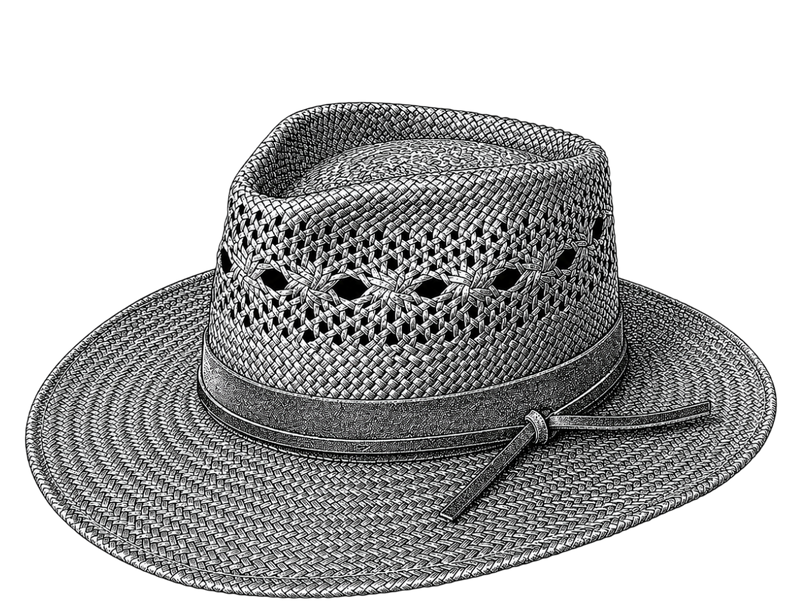
The iconic beach hat for good reason. A wide-brim floppy straw or raffia hat -- 12-15 cm brim -- in natural cream to tan color provides maximum coverage, reflects rather than absorbs solar heat (light color), and breathes through the open weave. Most of these hats are inexpensive enough that beach use does not require the careful handling of a quality dress hat.
The practical trade-off: floppy straw hats can be deformed by wind and packing. They typically do not have chin cords built in. For very windy beach settings, a stiffer construction is more practical.
Bucket Hat in Cotton or Synthetic Quick-Dry
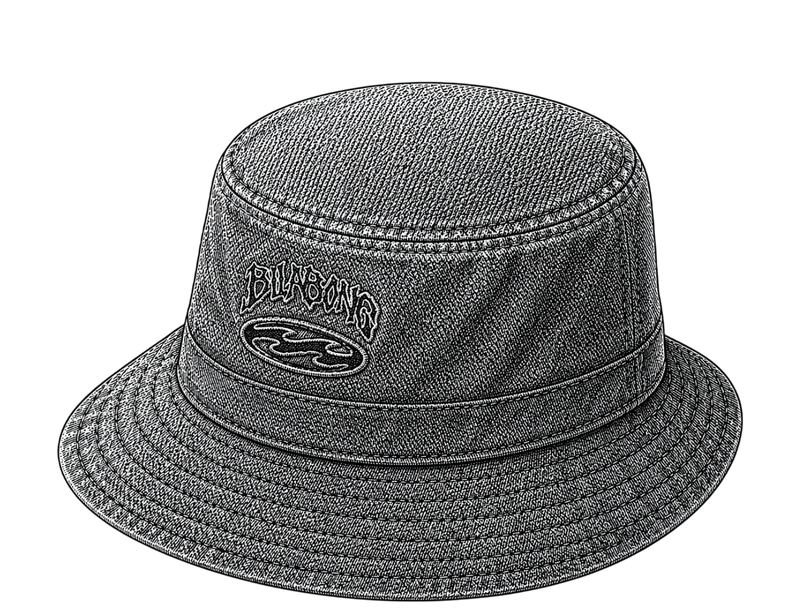
A cotton or nylon bucket hat is the most practical beach hat for active use -- swimming, beach sports, in-and-out-of-water activities. Cotton canvas tolerates water without damage and dries within hours. Synthetic quick-dry materials dry even faster. The 360-degree brim provides all-around coverage; the close-fitting structure stays on in wind; and the bucket hat can be packed flat without damage.
The limitation relative to wide-brim straw: a bucket hat brim of 5-7 cm provides less coverage than a 12 cm straw hat brim. For static beach sitting in strong sun, the straw hat covers more. For active beach use, the bucket hat is more practical.
Quality Panama Hat (Calm Conditions)
A quality toquilla Panama hat is excellent beach headwear in conditions where it will not be exposed to significant water or wind. Its light color, open weave, and wide brim provide ideal sun protection; the toquilla fiber has better water resistance than most straw alternatives at equivalent fineness. The caveat: a very fine-grade Panama is too valuable to expose to rough beach conditions. A mid-grade Panama (clearly visible weave, less expensive than finest grade) is the appropriate beach choice for Panama hat wearers who want a quality option without excessive risk of damage.
Technical Sun Hat (UPF Rated)
For wearers with specific UV sensitivity (history of skin cancer, very fair skin, medical recommendation for maximum UV protection), a technical sun hat with a UPF 50+ rating and a 12 cm+ all-around brim is the maximum protection option. These hats are typically made from tightly woven synthetic materials with UV-blocking properties, often in white or light colors, with chin cords and ventilation. They are functional objects rather than fashion objects -- appropriate for any beach context where protection is the sole priority.
What Does Not Work at the Beach
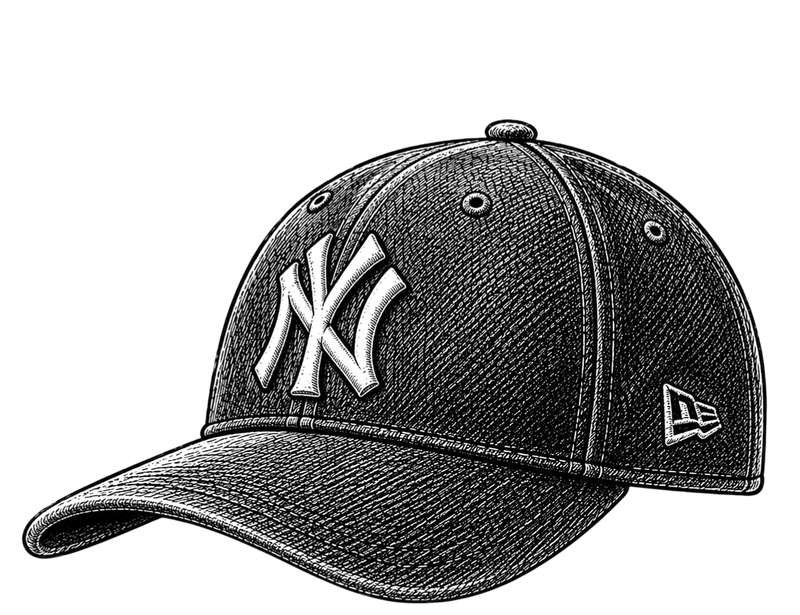
Baseball caps: Protect the face directly forward but leave ears, sides of face, and neck exposed. Inadequate for extended beach UV exposure.
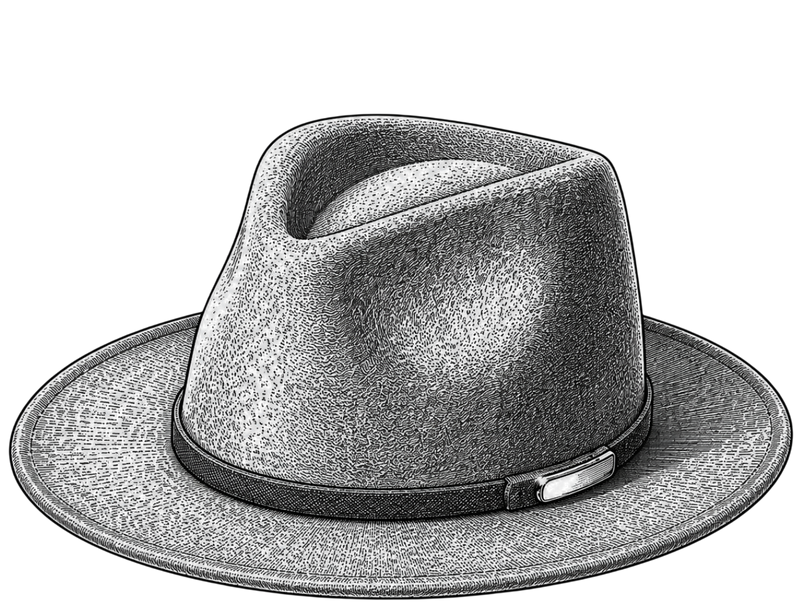
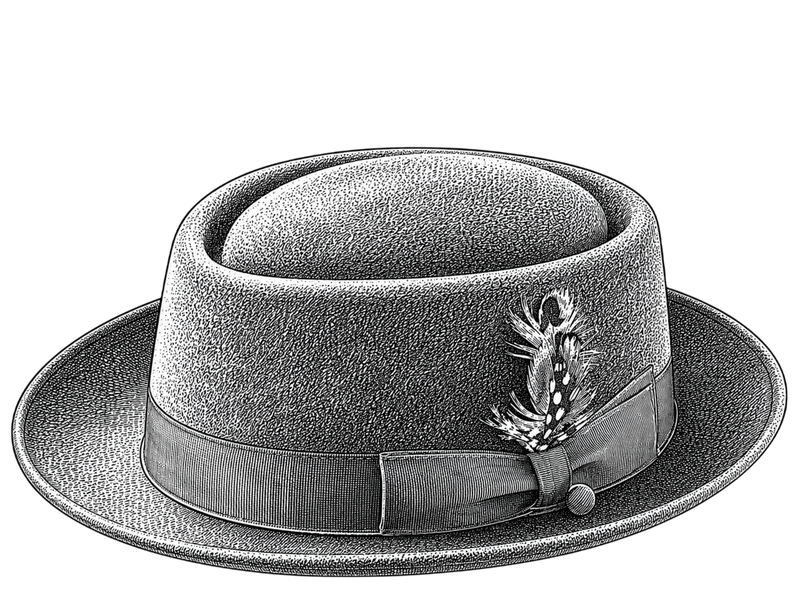
Fine structured felt hats: Wool and rabbit fiber felt should not be exposed to beach conditions -- salt water, sand, and the direct high heat of beach environments damage felt construction.
Very dark colored hats: Dark hat surfaces absorb solar heat at the beach. A black or very dark navy hat in direct beach sun is significantly hotter than a cream or natural straw hat, which reflects rather than absorbs.
Staying Secure in Beach Wind
Three approaches to hat security in beach wind:
Built-in chin cord: Many beach hats include a simple drawstring chin cord. Use it in wind rather than relying on hat fit alone -- even a well-fitted hat will eventually blow off in sustained beach wind without chin security.
Hat elastic: A clear elastic can be added to any hat's interior band and looped under the chin. Invisible in wear, very effective. Available at haberdashers and fabric stores.
Choose a close-fitting style: A bucket hat or a structured close-fitting sun hat stays on in moderate wind without chin security; a large floppy straw hat requires it. In very windy beach conditions, the close-fitting styles are simply more practical.
Find wide-brim beach straw hats and quality bucket hats in the Hatloom straw hat collection.
Frequently Asked Questions
What is the best hat for a beach vacation?
For maximum versatility across beach and non-beach occasions during the same trip: a mid-grade Panama hat in a classic fedora or optimo shape. It provides excellent beach sun protection in calm beach conditions, looks appropriate at beach-adjacent restaurants and resort settings, and travels well. For pure beach function without occasion versatility: a wide-brim floppy straw or raffia hat provides more coverage and tolerates rougher beach conditions more forgivingly than a fine Panama.
Can I wear a Panama hat at the beach?
Yes, with some material care awareness. A quality toquilla Panama hat tolerates light spray and incidental moisture without permanent damage -- the toquilla weave has good water resistance relative to other natural straw alternatives. Extended submersion, heavy rain, or sustained soaking is not appropriate for any quality straw hat. For a beach where the hat will stay on the towel while you swim and be worn during beach sitting and walking, a mid-grade Panama works well. For a beach where the hat is likely to go in the water or be exposed to heavy spray, a cotton bucket hat is more practical.
How do I keep my hat from blowing off at the beach?
A chin cord or chin elastic is the most reliable method -- any hat with chin security stays on in wind that would remove an unsecured hat. For hats without chin cords: a hat pin through the hat into the hair provides security for light to moderate wind. For sustained strong wind, close-fitting styles (bucket hat, fitted cotton hat) are inherently more secure than wide-brim hats regardless of pinning or cords -- the reduced wind-catching surface area of a smaller brim simply gives the wind less to work with.
What color beach hat is best?
Light colors for sun performance: cream, natural straw, white, and light tan reflect rather than absorb solar radiation. A light-colored hat has a noticeably cooler exterior surface in direct beach sun than a dark hat of equivalent construction. For appearance in beach setting: natural straw colors are universally appropriate and work with essentially any beach or resort clothing color palette.
How do I clean a beach straw hat after use?
Brush surface sand off with a soft cloth or brush while the sand is dry (wet sand pressed into straw weave is harder to remove). Wipe the interior sweatband with a damp cloth to remove salt and perspiration deposits after each beach day. For the hat body: a very slightly damp cloth for surface spot cleaning; avoid saturating the straw body. Allow the hat to dry completely at room temperature before storing. Do not store in a sealed plastic bag while any moisture remains -- the trapped moisture can cause mold in natural straw materials.