Advice about dressing in your 60s tends toward two equally useless poles: 'wear whatever you want, age is just a number' on one side, and a list of things to avoid on the other. Neither helps. What actually happens to hat wearing in your 60s is specific and worth addressing directly: some physical factors change (hair thickness and density, skin tone contrast), some social factors change (what contexts you occupy and what you are trying to communicate), and some things do not change at all (the fundamental rules of proportion, fit, and quality). Understanding which is which makes the advice useful.
What Actually Changes in Your 60s
Hair Density and Coverage
Many men and some women experience significant changes in hair volume and scalp coverage by their 60s. This affects hat wearing in practical ways: a hat worn over thinning hair sits differently than the same hat worn over a full head of hair, and the scalp's sun exposure concern becomes more pressing. A good hat in your 60s serves both aesthetic and practical UV protection functions simultaneously, which shifts the value equation compared to earlier decades when hats were primarily aesthetic choices.

Skin Tone Contrast
As hair colour lightens toward grey or white, and as skin tone shifts with age, the colour contrast relationships between hat, hair, and face change. Hats that created strong contrast in one's 30s may create less visual definition in one's 60s, and this affects which colours work best. Specifically, hats that create some contrast with white or silver hair -- medium tones, warm neutrals, or darker options -- often serve the overall look better than very pale colours that disappear into light hair.
Context and Occasion
Many people in their 60s shift toward contexts where hat wearing is either less regulated (more leisure, outdoor, and travel time) or more comfortable (no longer working in environments where hat wearing might have felt self-conscious). This often means people in their 60s actually have more opportunity for hat wearing than in previous decades, not less -- the context has changed in a direction that is hat-friendly.
Styles That Work Well
Quality Felt Fedoras and Homburgs
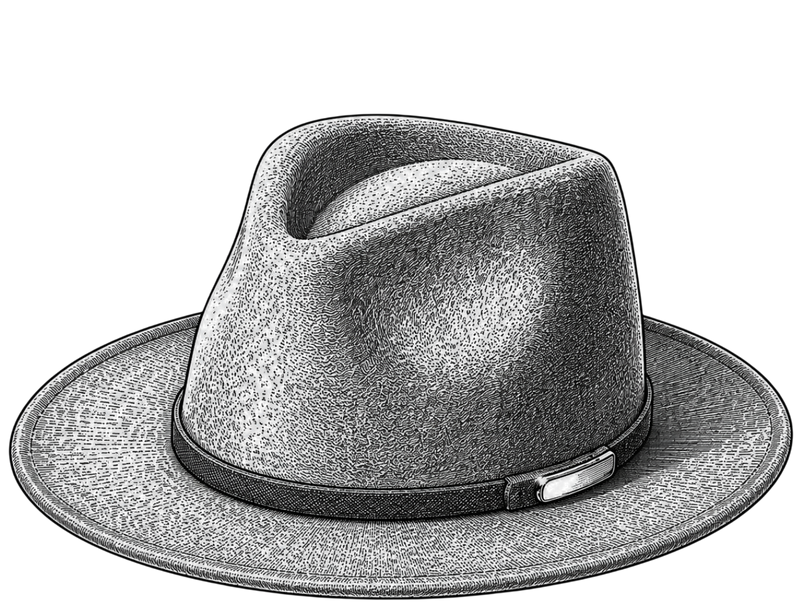
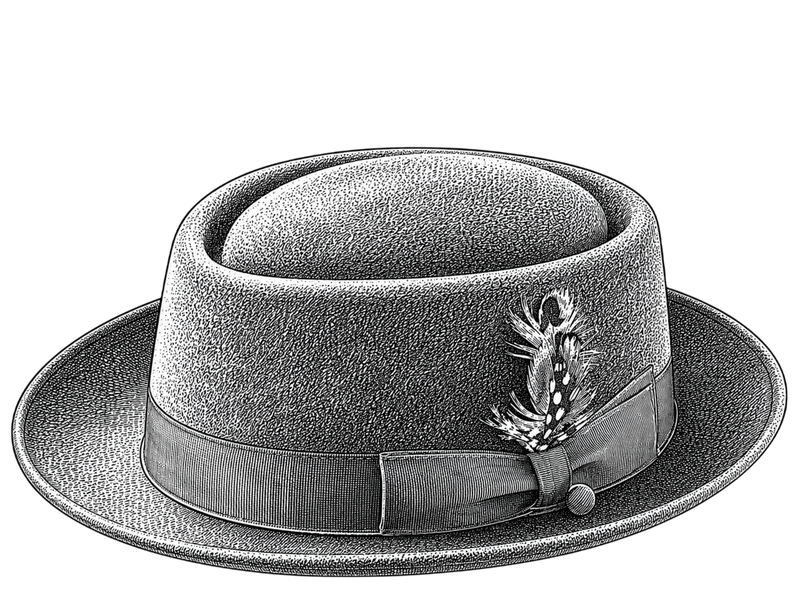
A well-made felt fedora or homburg is among the most age-appropriate hats available in your 60s -- not because it is 'old' in any limiting sense, but because the quality and formality of the style aligns with the experience and preference for quality that tends to develop with age. A cheap felt hat in your 60s reads differently than the same style in quality fur felt. If you are going to invest in a hat, your 60s is the decade to buy the one worth buying. Classic colours (charcoal, warm grey, dark brown, deep green) suit silver and white hair well by providing clear contrast.
Flat Caps in Quality Tweed or Wool
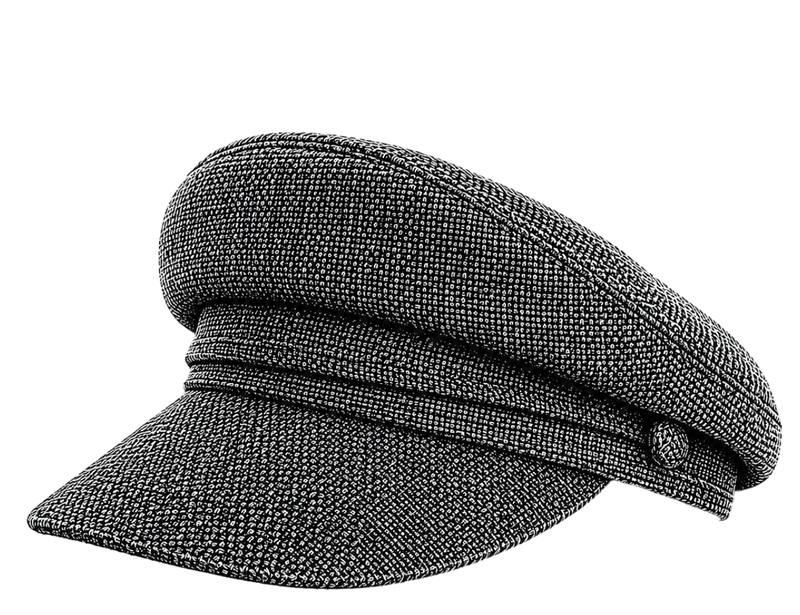
The flat cap has a long association with older men in British and Irish culture that can feel limiting, but approached as what it is -- a well-made casual hat in quality wool or tweed -- the flat cap is one of the most versatile and comfortable options available. The style works equally well over thinning hair and full hair, and the range of fabrics and constructions available means it can be dressed up or kept relaxed depending on context.
Wide-Brim Sun Hats
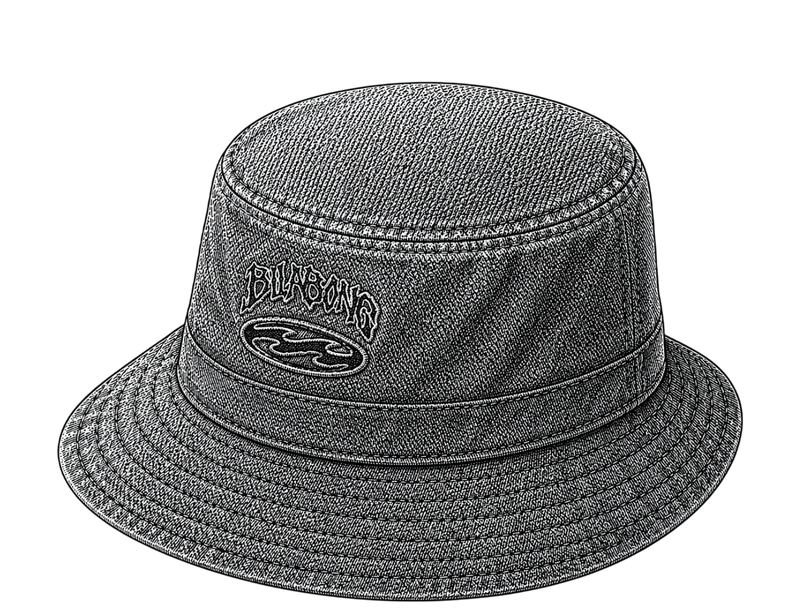
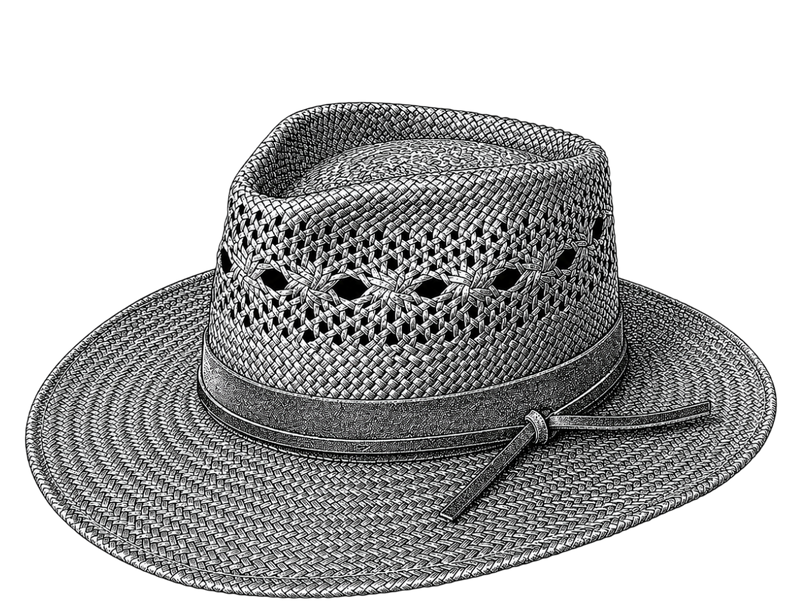
Outdoor activity, travel, and gardening are common at this life stage, and the wide-brim sun hat serves all of these while also providing the UV protection that becomes more medically relevant as cumulative sun exposure increases with age. A wide-brim hat in a natural fibre (straw, raffia, or cotton canvas) is functional, comfortable, and visually appropriate in outdoor contexts.
Panama Hats
A genuine Ecuadorian Panama hat in a classic design is one of the most flattering warm-weather hat options at any age, and the quality level of a good Panama -- its lightness, breathability, and visual refinement -- suits a decade in which quality over novelty is a natural preference. In travel or warm-weather contexts, a Panama hat is a genuinely useful and visually excellent choice.
Fit and Proportion at This Stage
Fit matters more than any other single variable at any age. In your 60s, two specific considerations are worth noting:
- Crown height and perceived facial length: if grey or white hair is visually shorter-looking than your previous hair, a hat with a very high crown can read as adding excessive height. Medium crown heights (7-9 cm) are generally the safest range
- Brim width and facial width: face shape does not change dramatically with age, but if your face has become slightly fuller over the decades, a brim width that is approximately equal to or slightly wider than your face's widest point maintains the proportional balance that makes a hat look intentional
What Has Not Changed
The fundamentals of hat wearing do not have an age variable:
- A well-fitted hat at the correct head size looks better than any size-incorrect hat regardless of style or price
- Hat-to-outfit coordination (matching formality levels, working with colour palette) matters as much as it always did
- Quality of construction is visible in a hat's shape retention, the finish of the brim, and the texture of the fabric -- and these distinguish a good hat from a poor one at every age
Browse felt hats, Panama hats, flat caps, and wide-brim styles at Hatloom.

Frequently Asked Questions
Is there a hat style that is too young for someone in their 60s?
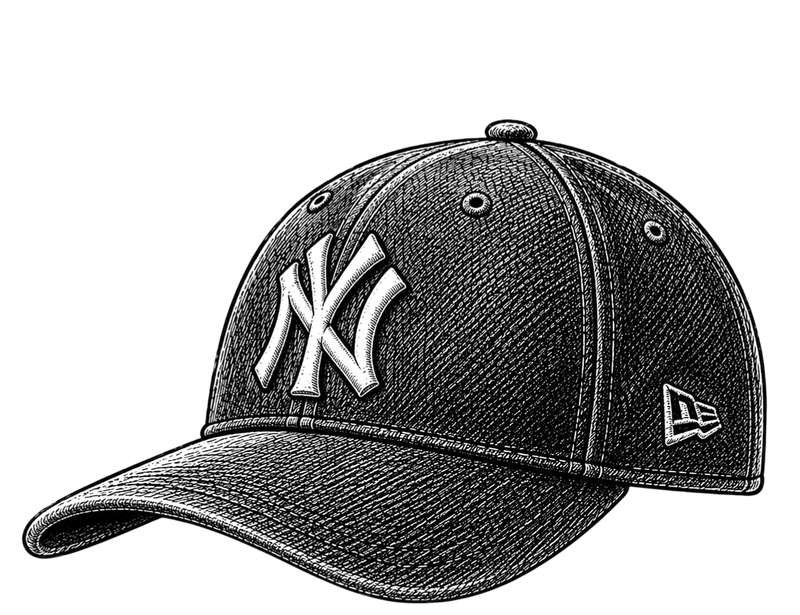
Very few, honestly. The primary consideration is whether a style suits the occasion and the rest of the outfit, not the wearer's age. A baseball cap in your 60s in a casual outdoor context makes complete sense. A snapback with athletic streetwear in your 60s is an unconventional choice, but that is about context and style coherence rather than age. Age is not the limiting variable; occasion and outfit are. The only cases where age becomes relevant are those where a very deliberately youthful style is being deployed in a context where it creates visible dissonance with everything else about the wearer's presentation -- and that is a style coherence issue, not an age issue.
What hat colours suit white or silver hair?
Medium and darker tones create the most visual definition against light hair. Charcoal grey, warm brown, olive green, burgundy, and navy are all excellent choices for people with silver or white hair -- they provide the contrast that makes the hat readable as a deliberate element of the outfit. Very pale colours (cream, light tan, pale grey) can blend into light hair in a way that reduces the hat's visual impact, which may or may not be desirable depending on the look you are going for. Warm neutrals like camel and tan sit in the middle -- they create moderate contrast rather than strong contrast, which many people find the most flattering.
How do I find hats that fit well if my head size has changed?
Head circumference can change slightly over a lifetime due to changes in hair volume and minor changes in scalp tissue. If hats that fit well previously have started to fit differently, remeasure your head circumference with a flexible tape measure and use that measurement to select sizing rather than relying on your remembered size. Most quality hat brands size in centimetre circumference increments, which allows more precise fit selection than S/M/L sizing. A hat that is between two sizes can be adjusted with a hat sizing insert (a foam or felt strip added to the interior band) to achieve a closer fit.