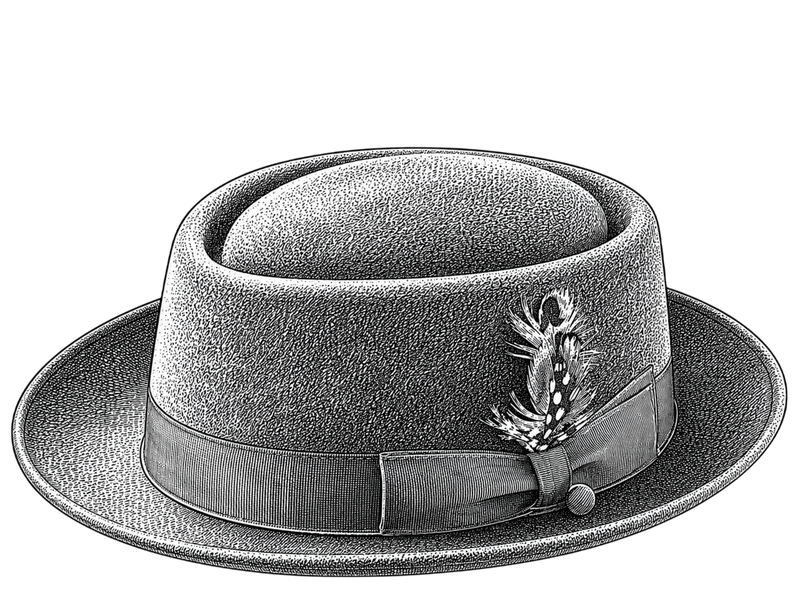
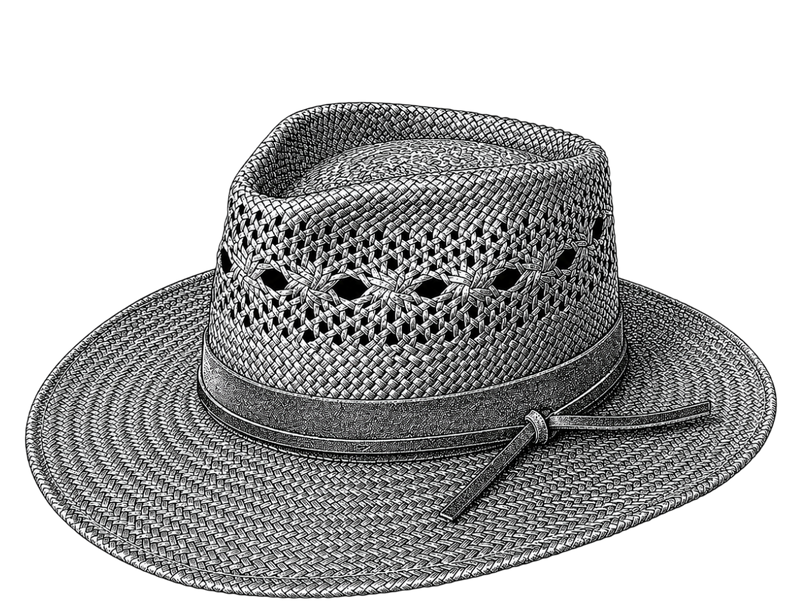
Hat wearing changes with age not because any hat becomes categorically wrong but because the context, lifestyle, and personal style that a hat needs to fit evolve. A 23-year-old wearing a fedora and a 45-year-old wearing the same hat are drawing on different style vocabularies and will be read differently even if the hat and the face are equally suited to the style. Understanding this evolution produces better hat choices at every stage rather than defaulting to age-anxiety decisions.
Hat Wearing in Your 20s
The Style Context
The 20s are typically the period of greatest style experimentation -- trying on different identities, shifting between subcultures, and finding what actually reads as personal rather than borrowed. Hat wearing in this context is often part of a larger identity investigation rather than a settled wardrobe decision.
The two broad hat-wearing approaches in the 20s:
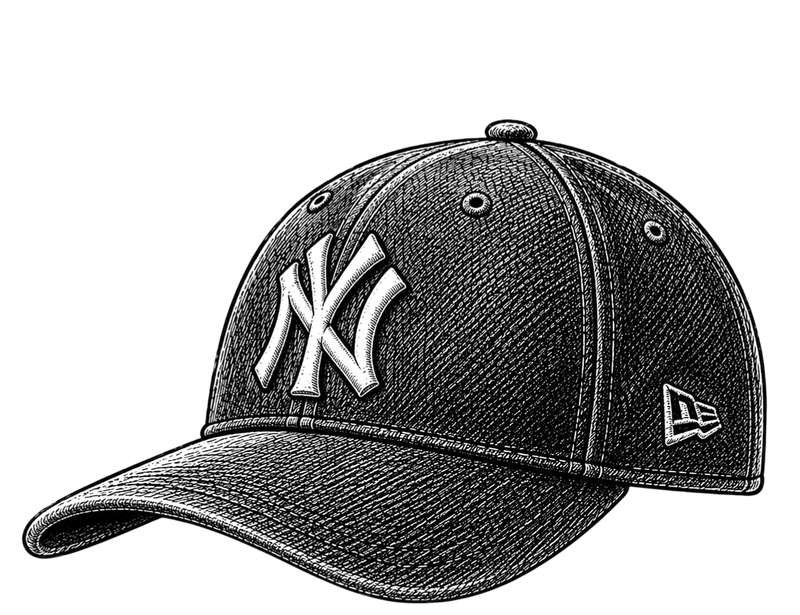
Trend-connected: Wearing hats that are culturally active in the wearer specific social context -- streetwear bucket hats, fashion-adjacent structured hats, sports team caps as cultural allegiance. This is a legitimate and culturally coherent approach. Its limitation is that trends change; hats bought purely as trend items may not function outside the moment they were purchased for.
Personal-style oriented: Wearing hats that reflect the wearer's developing sense of their own aesthetic rather than following the trend register of their peer group. This approach is rarer in the 20s and often reads as more deliberate -- but it produces a hat wardrobe that the wearer can inhabit rather than one that ages out of coherence.
Hats That Work Well in Your 20s
- Baseball caps: Any style, any context. The most culturally neutral hat for the 20s demographic.
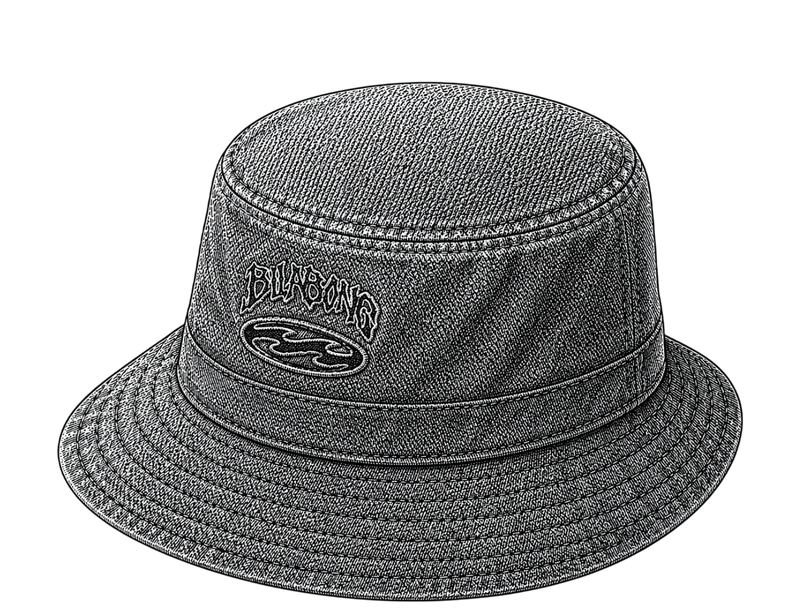
- Bucket hats: Currently active as a style choice, with room to be worn across casual to fashion contexts.
- Beanies: Universal cold-weather hat with no age-specific reading at this age.
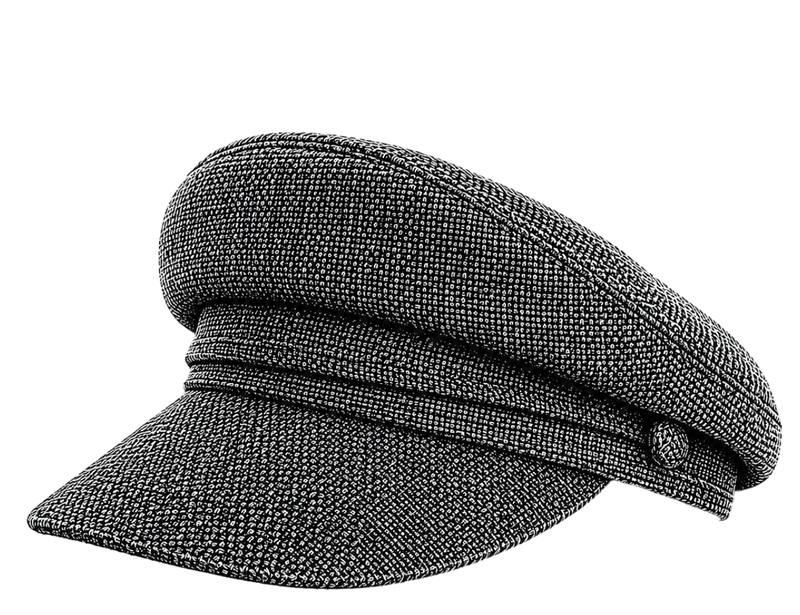
- Fedora and flat cap: The heritage-conscious choice that reads as personal conviction rather than following the majority. Rewarding when worn consistently and with quality.
Hat Wearing in Your 30s
The Style Context
The 30s typically bring a stabilization of personal style. The experimentation of the 20s has produced a clearer sense of what the wearer actually wears versus what they put on as experiment. Wardrobes become more edited; quality often becomes more important than volume.
For hat wearing, this often means transitioning from multiple experimental hat purchases to a smaller number of hats that are actually worn. The 30s is the decade when many hat wearers discover a definitive style and commit to it -- a single quality fedora worn most of the week reads as much more personal style than a rotation of trend-following hats.
What Changes
Occasion diversity: Weddings, formal events, career contexts, and increasing social occasions where specific hat choices signal correct dressing. The flat cap can still be the everyday hat; a quality Panama or fedora becomes the occasion hat.
Quality vs. quantity: The shift from multiple inexpensive hats to fewer, better-made ones is a common and often correct 30s wardrobe move for hat wearers. A quality hat worn consistently for 10 years outperforms three cheap hats worn for two years each in every measure.
Hats That Work Well in Your 30s
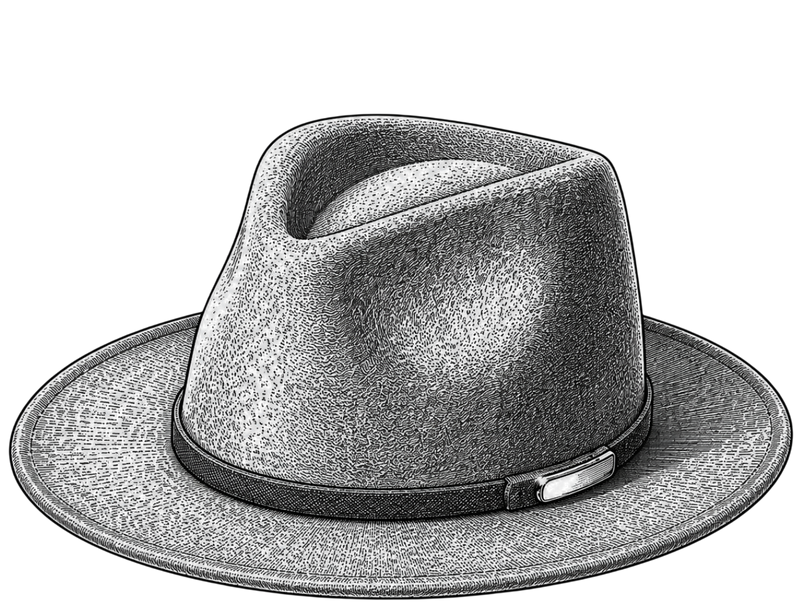
- Quality felt fedora: The single most rewarding hat investment for the 30s -- versatile, appropriate for multiple contexts, and a style that carries conviction.
- Panama hat: The summer equivalent of the fedora. A quality Panama at 35 reads as confident personal style rather than trying on a hat.
- Flat cap in quality fabric: The smart casual daily hat. A good tweed or wool flat cap at this age reads as a settled, informed style choice.
- Baseball cap: Still appropriate in casual and athletic contexts, with the understanding that the cap is one element of a considered casual outfit rather than the default.
Hat Wearing in Your 40s
The Style Context
By the 40s, most wearers have arrived at a clear personal aesthetic. The hat -- if worn at all -- is likely a settled part of this aesthetic rather than a new experiment. The question for many 40-something hat wearers is not what to try but how to wear what they already know suits them with more confidence and less adjustment.
The specific shift that happens in the 40s for many wearers: the hat becomes part of a coherent, recognizable style rather than an accessory that requires explanation. A 43-year-old who has worn a quality fedora for 10 years is simply a person who wears a fedora; the hat is not a statement, it is their presentation.
What to Watch For
Quality matters more than ever: A hat that showed acceptable quality in the 20s and was tolerable in the 30s begins to show its limitations in the 40s, when the overall quality of a dressed appearance has typically increased. The hat must keep pace with the clothing and grooming quality of the wearer.
Occasion calibration: The 40s bring increasing numbers of formal occasions -- senior professional contexts, formal social events, milestone celebrations -- where hat choices must be appropriate to the occasion rather than simply reflecting personal style.
Hats That Work Well in Your 40s
- Quality rabbit fiber or fine wool felt fedora: The apex choice. At this age, the hat should be the best version of whatever style the wearer has settled on.
- Fine Panama hat: A quality toquilla hat, worn in summer, reads as genuinely sophisticated at 40+.
- The hat the wearer has worn for 10 years: Consistency of hat wearing is itself a style quality by the 40s -- a person known to wear a specific hat style has that style as part of their identity in a way no new hat can match immediately.
Hat Wearing at 50 and Beyond
The Style Context
By the 50s and beyond, personal style for most people who have developed it is clear, settled, and confident. The hat question is rarely which to choose but whether to continue wearing what works and how to maintain and update within an established style.
For men and women who have worn hats throughout their adult life, the 50s and beyond see hat wearing become the most natural it has ever been -- the adaptation period is ancient history, the social self-consciousness is long resolved, and the hat is simply part of how the person presents.
For people starting hat wearing later in life -- 50s or 60s -- the same adaptation process applies as for any age, with the practical note that social self-consciousness tends to be lower in older adults who care less about the opinions of strangers, which can actually make starting at this age easier than starting in youth.
Considerations for Later Decades
Classic proportions over fashion-forward: Fashion-trend hats read differently at 60 than at 25 -- the same bucket hat that reads as culturally current at 23 can read as attempting a youth marker at 63. Classic proportions (fedora in classic dimensions, quality flat cap, traditional Panama) age consistently and well because they are not linked to a specific trend moment.
Quality signals strength: A 65-year-old in a beautifully maintained quality hat reads as a person of genuine personal style. The same 65-year-old in a worn, misshapen, inexpensive hat reads differently. At every age, quality of condition matters -- at older ages, it may matter more.
Find quality hats appropriate to every decade of life in the Hatloom collection.
Frequently Asked Questions
Is there an age limit for wearing hats?
No. Hat wearing has no upper age limit. The specific hat styles that are most appropriate evolve with age -- not because anything becomes prohibited but because the styling context, lifestyle, and personal aesthetic change in ways that make some hat choices more coherent and others less so. Classic hat styles in quality materials work across all adult ages; trend-specific or subculture-associated styles become more age-specific in how they read.
When is a man too old for a baseball cap?
Never, in casual and athletic contexts. The baseball cap reads differently as wearers age -- a 65-year-old in a sports team cap reads as a fan rather than as someone making a style statement, which is a legitimate and common reason to wear one. The styling consideration at older ages: the baseball cap is a casual hat and should be worn in casual contexts. Wearing a baseball cap in contexts where a more considered hat choice would be appropriate becomes more visible as style otherwise becomes more considered with age.
What hat is appropriate for a man in his 50s?
Whatever hat reflects genuine personal style rather than age anxiety. A man in his 50s who has worn a fedora for 20 years should continue wearing it; it is part of his style identity. A man in his 50s starting to wear hats for the first time is best served by a classic quality style -- a fine felt fedora, a quality flat cap, or a classic Panama -- that does not require current trend context to read as intentional and appropriate. Classic styles in quality materials work at every decade of adult life.
Are there hats that make older people look younger?
The better frame is hats that make older people look like themselves at their most stylistically confident. A hat that animates the face (colors that complement the complexion), fits correctly, and is maintained in excellent condition reads as vital and personally expressive at any age. Hats specifically chosen to signal youth by adopting youth-coded styles typically achieve the opposite of their intention -- the mismatch between the style's cultural associations and the wearer's actual age becomes the thing most noticed.
I wore hats in my 20s but stopped. Is it too late to start again in my 50s?
Not at all. Starting hat wearing again after a gap is not meaningfully different from starting for the first time -- the adaptation period (1-2 weeks of wearing through initial self-consciousness) applies equally. The advantage of returning in the 50s after wearing in the 20s: the wearer already has some sense of what suits them and can skip the initial trial-and-error phase of finding a style. The recommendation is to return to what worked before, updated for current quality and personal style rather than attempting to recreate the specific hats of the 20s.