Most people avoid hats in summer heat because they believe hats make you hotter. Some do. The ones that do are the wrong hats for summer. A correctly chosen summer hat lowers the effective temperature of the wearer by shading the face and neck — the areas through which disproportionate body heat is gained — while the hat material itself breathes. The problem is not summer hat-wearing. It is the failure to choose a hat built for summer temperatures.
How a Hat Actually Affects Body Temperature
The head and neck receive direct solar radiation in summer that contributes significantly to the body's total heat gain. A hat that shades the face and upper neck intercepts this radiation before it contacts the skin. Studies on sun protection consistently find that a hat with a 7–10 cm brim reduces UV exposure to the face by 50–70% compared to an unshaded face.
The paradox: a hat prevents the solar heat gain that would otherwise reach the skin, while simultaneously trapping some of the body's own heat at the head. Whether the hat makes you hotter or cooler depends on which effect dominates:
- Hats that make you cooler: Light, open-weave straw or natural fiber hats that shade without trapping heat. The shade benefit exceeds the minimal heat-trapping of an open-weave structure.
- Hats that make you hotter: Dense, closed-weave, dark-colored hats in heavy materials. These trap head heat while also absorbing solar heat through the dark surface.
The Best Summer Hat Materials
Open-Weave Toquilla Straw (Panama Hat)
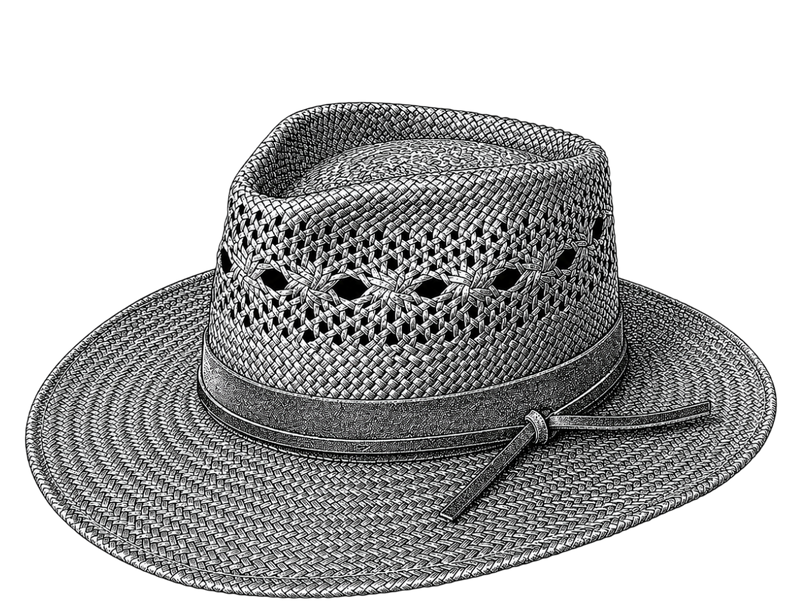
Fine-weave toquilla is among the most thermally efficient hat materials available. The weave structure allows air circulation while the material itself has low thermal mass — it absorbs and retains minimal heat. Fine-grade toquilla shades effectively and breathes well enough to wear comfortably at 35°C+ with appropriate airflow.
The weave density matters: a fine, tight Montecristi weave provides more shade with less ventilation; a more open-weave standard Panama provides more ventilation with slightly less shade. Both are cooler than equivalent closed-material hats.
Raffia
Raffia's characteristically open, irregular weave makes it among the most ventilated of natural straw materials. The gaps in the weave allow heat to escape from the head, which is particularly valuable in humid conditions where natural fiber hats that seal against the head can become uncomfortable. Raffia hats trade some structural rigidity for this open breathability — they are softer and more flexible than toquilla hats.
Seagrass and Natural Rush
Seagrass and rush grass hats are typically more open-woven than sennit or standard machine-braided straw, providing good breathability at an accessible price point. The natural color range (darker than toquilla or raffia) absorbs slightly more solar heat than pale straw, but the open weave compensates by allowing heat to escape rather than accumulate under the hat.
Cotton and Linen
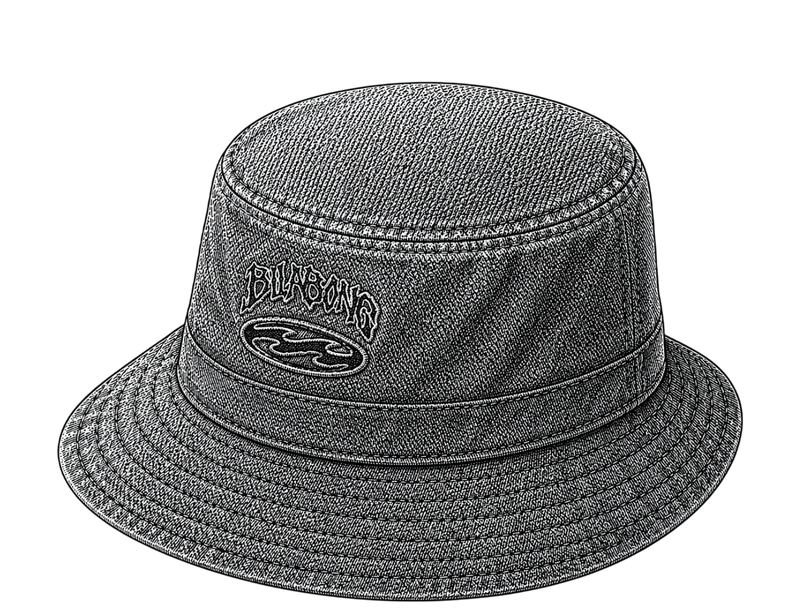
Cotton and linen are the best fabric (non-straw) options for summer hats. Both materials breathe well, absorb and release moisture effectively, and are lightweight at summer weights. A cotton bucket hat or a linen flat cap is significantly cooler than a polyester or nylon equivalent of the same weight. Linen is slightly more breathable than cotton — its fiber structure allows more air exchange per weight than cotton does.
Materials to Avoid in Summer Heat
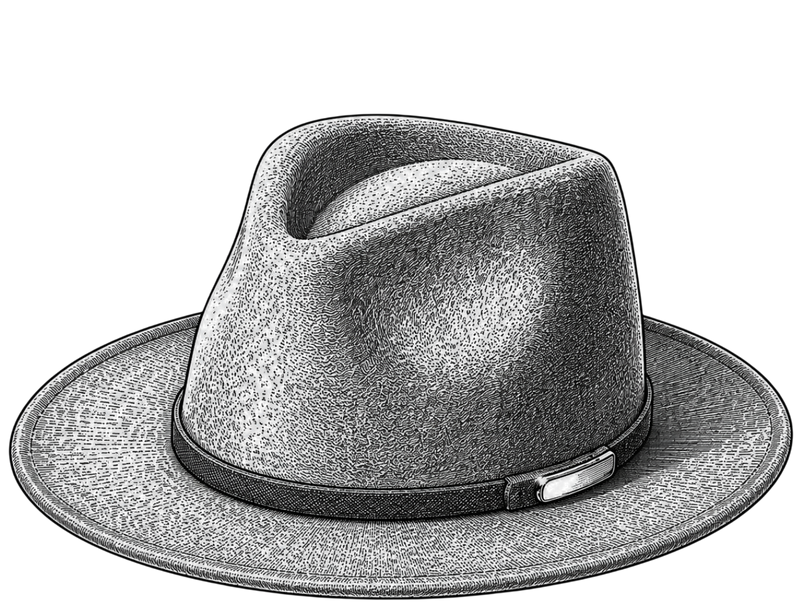
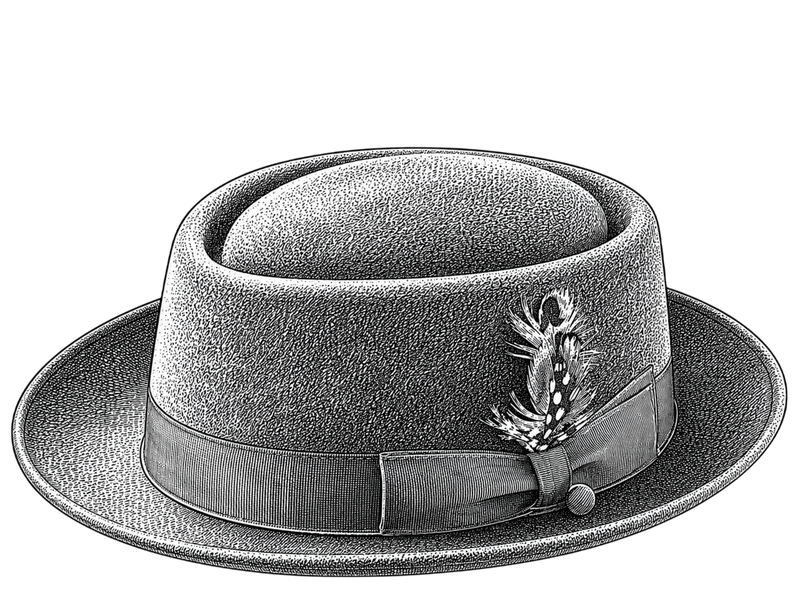
Wool felt: Dense, moisture-absorbing, and low-breathability. A wool felt fedora worn in 30°C heat traps head heat effectively — the same property that makes it excellent in cold weather becomes a liability in summer.
Synthetic materials in dark colors: Black or dark synthetic fabric absorbs solar heat at the surface and does not breathe to release the accumulated heat. The worst performing combination for summer is a dark, tightly woven synthetic hat.
Thick rubber or PU coatings: Rain-resistant coatings on outdoor hats reduce breathability significantly. A coated bucket hat performs far worse thermally than an equivalent uncoated cotton version.
Color and Its Thermal Effect
The conventional wisdom that light-colored hats are cooler than dark ones is correct for surface temperature but is more nuanced in practice:
Surface absorption: A dark hat surface absorbs more solar energy than a light one. A black hat in direct sun will have a significantly hotter exterior surface than a cream hat in the same conditions.
Interior effect: The key question is how much of that surface heat transfers to the interior of the hat and then to the wearer head. For open-weave straw hats, the heat absorbed at the surface has multiple paths to dissipate into the air around the hat — the effect on the wearer is less than it would be in a closed-material hat. For closed-material hats, the surface heat transfer to the interior is more direct.
Practical rule: choose light colors for closed-material summer hats (cotton bucket hats, linen flat caps). For open-weave straw hats, color is a secondary concern — the weave breathability dominates the thermal performance, and a dark straw hat still performs better than a light closed-fabric hat in most summer conditions.
Brim Width and Summer Comfort
Brim width directly affects how much solar radiation is intercepted before reaching the face and neck:
- 5–7 cm brim: Protects the face but not the neck or shoulders. Adequate for moderate sun exposure and urban walking.
- 8–10 cm brim: The recommended minimum for meaningful sun protection. Shades the face and the upper neck, covering the areas where UV-caused heat gain is most significant.
- 11+ cm brim: Full face, neck, and partial shoulder shading. The appropriate choice for extended outdoor exposure — beach, hiking, outdoor work, watching outdoor sports.
The practical trade-off: wider brims provide more shade and UV protection but create more wind resistance (relevant in gusty conditions) and require more outfit management in crowded spaces. For everyday urban use, 7–9 cm is the practical sweet spot; for outdoor leisure, 10+ cm is justified.
The Sweatband in Summer
The sweatband absorbs perspiration at the forehead and prevents it from reaching the hat body. In summer, the sweatband is working significantly harder than in other seasons and requires more frequent cleaning. A saturated sweatband that has not been cleaned becomes uncomfortable and can develop odor.
Cotton and moisture-wicking sweatbands (increasingly common in outdoor-focused summer hats) outperform leather sweatbands in summer heat — leather becomes stiff and less comfortable as it cycles through repeated wetting and drying. Many summer hat wearers replace leather sweatbands with cotton alternatives for summer use.
Find open-weave straw hats, Panama hats, and lightweight cotton summer styles in the Hatloom summer hat collection.
Frequently Asked Questions
Does wearing a hat in summer make you hotter?
A light, open-weave straw hat or a light cotton hat makes you cooler overall by intercepting solar radiation that would otherwise heat the face, neck, and scalp. A dark, dense, closed-weave hat in summer heat can trap head heat while also absorbing solar heat and make the overall experience warmer. The material choice determines the thermal effect. A Panama hat in 35°C summer sun will make the wearer feel cooler than no hat; a dark wool felt fedora in the same conditions will make the wearer warmer.
What is the coolest hat for summer?
An open-weave fine toquilla Panama hat in natural cream or pale tan. The combination of maximum breathability from the open weave, minimum thermal mass from the fine natural straw, light color for lower surface heat absorption, and meaningful brim coverage represents the optimal summer hat for hot, dry conditions. For humid conditions where even light hats can feel restrictive: a wide-brim raffia hat with a very open weave, which prioritizes ventilation over shade coverage.
Should I choose a straw hat or a fabric hat for summer?
Straw (toquilla, raffia, natural open weave) outperforms fabric in warm dry conditions — the rigid structure creates air space between the hat and the head that fabric hats, which conform more closely to the head shape, do not provide. In humid beach conditions, cotton or linen bucket hats can be more practical because they tolerate moisture without structural risk and can be washed easily. The practical distinction: structured straw for urban and occasion wear, fabric for beach and outdoor active use where the hat will be exposed to water and heavy perspiration.
Can I wear a sun hat with a ponytail or bun?
Yes, though the hair style affects how the hat fits. A high bun or high ponytail prevents the hat from sitting in the correct position on the head — the hair mass underneath raises the hat, which can cause it to sit awkwardly or fall forward. Solutions: low bun or low ponytail (at or below the ear level) that allows the hat to sit correctly; a bucket hat or other unstructured style that accommodates hair underneath more flexibly than a rigid straw hat; or pulling the ponytail through the back opening of a baseball cap.
How often should I clean a summer hat given how much I sweat?
Monthly for regular summer wear, more frequently in hot climates or during extended outdoor activity. The critical component to clean is the sweatband — this is where perspiration accumulates and where salt and oil deposits develop most quickly. Regular cleaning of the sweatband (a damp cloth with mild soap after every 4–6 wearings) prevents buildup from setting into permanent staining. A hat that smells or has visible sweatband discoloration is overdue for cleaning.