Autumn is objectively the best hat season -- not because of temperature, though the cool air makes hats comfortable, but because of colour. The autumn palette of ochre, rust, deep green, burgundy, and warm brown is simultaneously the palette in which felt and wool hats have always looked most natural. The hat was not designed for summer or winter in the way the straw hat and the knit hat were designed for those seasons. The felt hat was designed for autumn, and autumn is designed for it.
Why Autumn Works Best for Structured Hats
Autumn hat wearing benefits from a combination of conditions that do not coexist in other seasons:
- Temperature range: 5-15°C is comfortable for a medium-weight felt hat -- cool enough that the hat's slight insulating effect is pleasant, warm enough that the hat does not need to be a primary thermal management tool
- Light conditions: the lower sun angle of autumn creates longer, warmer shadows and golden-hour-quality light for more of the day than summer. This light is flattering to earth-toned hats and creates the visual conditions where hat-wearing photographs look their best
- Colour coordination: the autumn wardrobe palette (camel, tan, rust, olive, burgundy, dark brown) is the natural home of the felt hat. These are the colours felt hats were traditionally produced in, and autumn clothing makes coordination effortless
- Weather practicality: the variable autumn weather (sunshine, cloud, light rain, wind) is exactly the condition range a good felt hat addresses -- it handles all of these without the material limitations of straw in rain or wool beanie in mild temperatures

The Autumn Hat Wardrobe
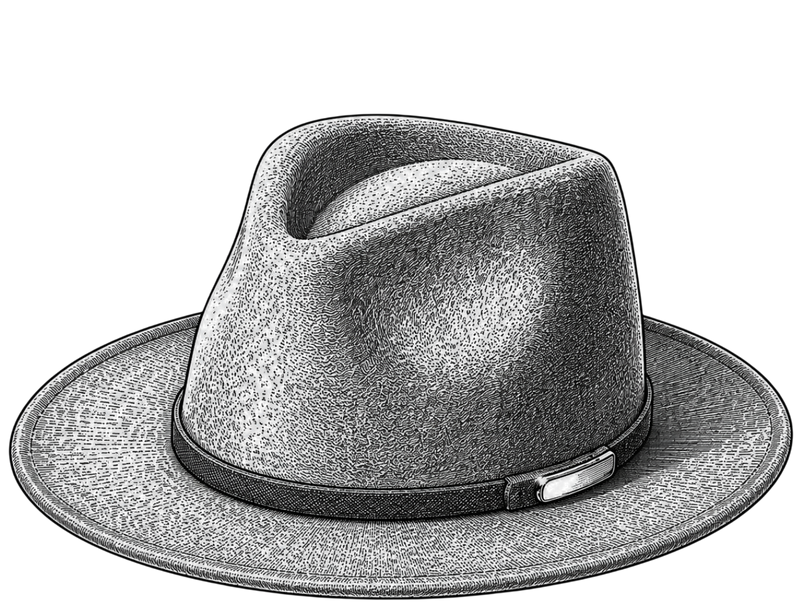
The Felt Fedora
The felt fedora is the canonical autumn hat. In a warm neutral -- camel, tan, warm grey, or a deeper tone like burgundy or forest green -- a quality felt fedora coordinates with virtually every autumn outfit. The hat should be medium-weight felt for autumn: light enough not to overheat on mild days, heavy enough to be weatherproof in light rain and comfortable in cold wind.
Autumn fedora placement: the conventional 2-3 cm above the eyebrows with the front edge slightly lower than the back. The hat's brim should be set to its natural angle rather than artificially pushed up or down.
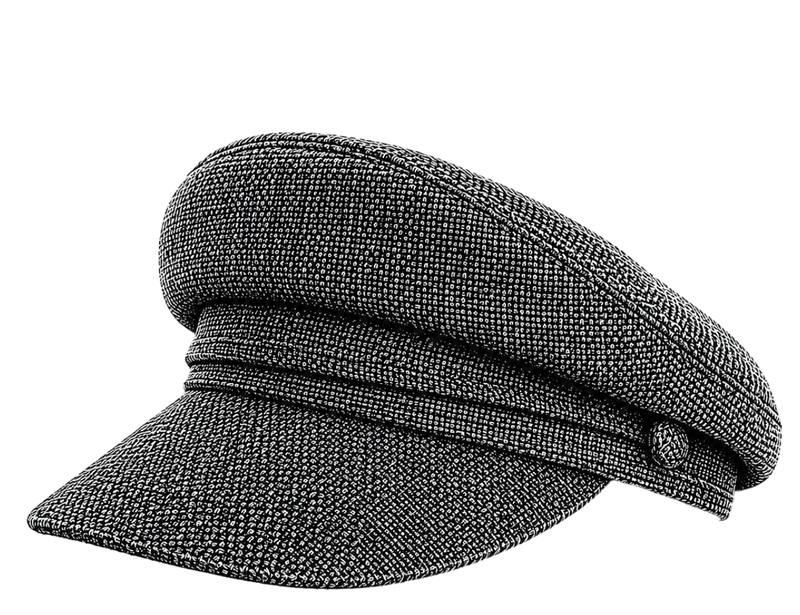
The Flat Cap
The tweed flat cap was designed for precisely the conditions that define British autumn -- variable weather, country and urban settings, and clothing in the wool and tweed palette that is the backbone of most autumn wardrobes. A classic herringbone or houndstooth flat cap in grey, brown, or a warm mix is one of the most contextually appropriate hat choices available in the autumn season.
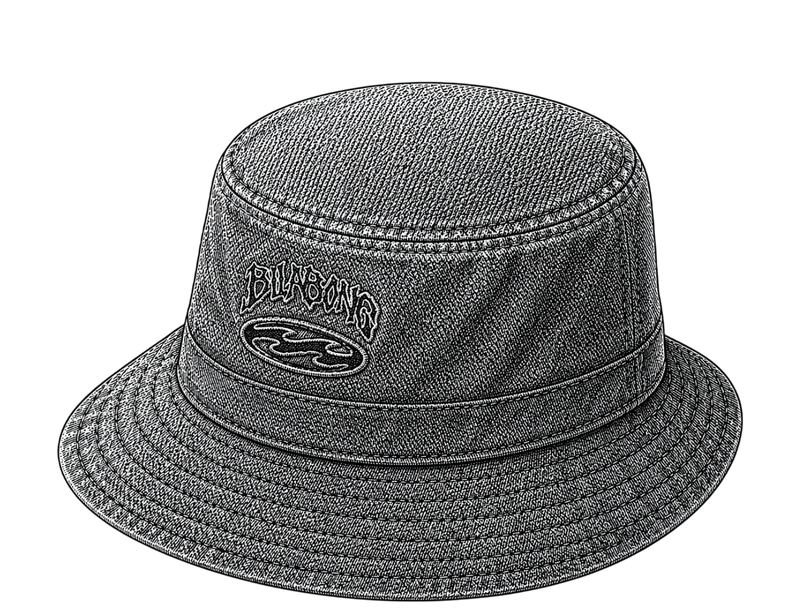
The Wool Bucket Hat
A bucket hat in a medium-weight wool rather than the summer cotton or nylon version brings the casual versatility of the bucket hat style into autumn conditions. The wool provides moderate warmth while the silhouette maintains the relaxed aesthetic. In earth tones (tan, khaki, olive, rust), a wool bucket hat bridges casual and smart-casual contexts through the autumn months.
Autumn Hat Outfit Combinations
The Trench Coat
A trench coat in tan or camel with a felt fedora in a darker warm neutral (chocolate brown, dark tan, amber) is one of the most visually complete autumn combinations available. The trench's long, structured silhouette and the fedora's horizontal brim create a full vertical ensemble from hat brim to coat hem. Both elements belong to the same British-influenced, weather-functional tradition that makes their combination feel natural rather than assembled.
Heavy Knitwear
A chunky knit sweater in an autumn colour (rust, mustard, forest green, burgundy) with a flat cap in a complementary neutral (grey or tan) creates an informal but visually coherent autumn look. The hat adds a considered element to a casual outfit without requiring matching in a strict sense.
Wool Overcoat
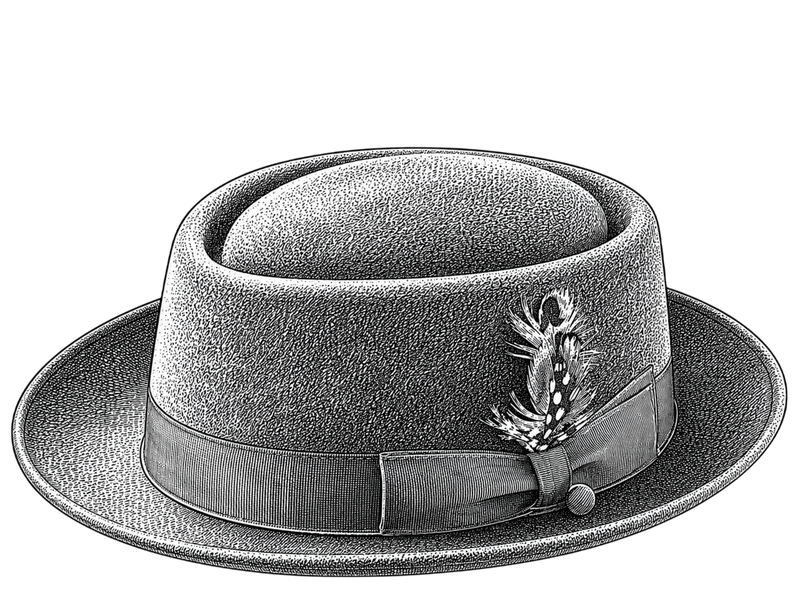
A structured wool overcoat in charcoal, dark brown, or navy with a quality felt fedora or homburg in a complementary darker tone creates the most formal autumn hat combination. This pairing has a strong early-mid 20th century British visual reference -- the felt hat was the standard complement to the wool overcoat in this era and the combination retains its visual coherence today.
Autumn Hat Care Notes
Autumn brings more rain contact than summer, and felt hats should be prepared for wet conditions:
- Apply a silicone water-repellent spray at the start of the season (once per season maintenance)
- Keep a hat brush accessible for brushing out light rain spatter after wearing
- If the hat gets significantly wet, reshape and allow to dry on a hat stand rather than hanging or storing wet
- Store summer straw hats at the end of the season (cleaned, in hat boxes) and retrieve the autumn felt collection
Browse autumn felt hats, flat caps, and structured wool styles at Hatloom.

Frequently Asked Questions
When should I switch from summer to autumn hats?
The practical switch point is when average daily temperatures drop below 15°C for more than three consecutive days, or when you first feel genuinely cool outdoors rather than warm. In Northern Europe and the northern United States, this typically falls between mid-September and mid-October. The sensory cue is more reliable than a calendar date -- the first day you reach for an extra layer of clothing is usually the first day a felt hat feels appropriate and pleasant rather than overly warm.
What is the most versatile autumn hat colour?
Tan or camel is the most versatile autumn hat colour because it coordinates with the full range of autumn palette clothing -- both the warm tones (rust, amber, burgundy) and the cooler neutrals (grey, navy) that appear in autumn wardrobes. A tan hat with a burgundy scarf is a warm-on-warm combination; the same tan hat with a grey coat is warm-against-cool. The versatility comes from tan's position as a warm neutral that relates to both sides of the autumn palette.
Can I wear the same felt hat in both autumn and spring?
Yes, and this is one of the most economically sensible hat approaches. A medium-weight felt hat in a neutral colour (grey, camel, tan, or navy) works in both transition seasons because the temperature ranges and precipitation conditions are similar. The main distinction between autumn and spring hat wearing is the colour palette of the surrounding outfit -- the same grey fedora that felt right over a burgundy scarf and dark coat in November can be worn over a lighter spring jacket in March. The hat itself is season-neutral at that quality level; the outfit palette changes more than the hat.