Long hair changes the hat-wearing calculation in ways that most hat advice does not address because most hat advice was developed for short-haired wearers. The specific challenges are real: hat fit is affected by hair volume, hat removal reveals compression evidence, and the relationship between the hat's edge and the hair falling below it is a distinct styling variable that does not exist without long hair. All of these have solutions -- they just require knowing what the variables are.
How Long Hair Affects Hat Fit
Long hair is typically gathered, pinned, or arranged before putting on a hat, or it falls loose under and around the hat. Each approach changes how the hat fits and feels:
- Hair loose under the hat: some of the hair sits inside the hat crown, increasing the effective volume the hat must accommodate. A hat that fits correctly with hair down may feel tight if hair is thick. Solution: size up or use a hat with an adjustable interior.
- Hair pinned up inside the hat: a bun or updo pinned inside the hat crown raises the hat's position on the head -- the hat sits higher than its correct position if the updo is very large. Solution: choose a hat with a deeper crown, or use a low, flat updo.
- Hair down and outside the hat: the hat fits against the scalp in the same way as for short hair, with the long hair falling from below the hat's edge. This is the most common arrangement and the least technically challenging for fit.

The Hat Edge and the Hair Relationship
The visual relationship between where the hat ends and the hair begins is the distinctive styling variable for long-haired hat wearers. This transition -- from hat material to hair -- is visible and either looks intentional or looks like a transition that was not considered.
Two approaches work consistently:
- Complete coverage: the hair is fully contained inside the hat (a beanie or deep-crown hat worn over an updo) so the hat ends and no hair appears below it. Clean, deliberate, no transition management required.
- Clear transition: the hair falls freely below a hat with a clear, straight edge (a fedora brim, a flat cap visor, a structured baseball cap brim) and the contrast between hat structure and flowing hair is the visual element. This is the dominant hat-with-long-hair aesthetic and it works when both elements are clean and clearly defined.
The approach that does not work as well: the transition where some hair is inside the hat and some is outside in an unplanned way -- hair escaping from the sides of a hat where the hat's edge meets the hairline unevenly, or hair arranged neither fully inside nor clearly outside the hat.
Specific Hat Styles With Long Hair
The Wide-Brim Hat
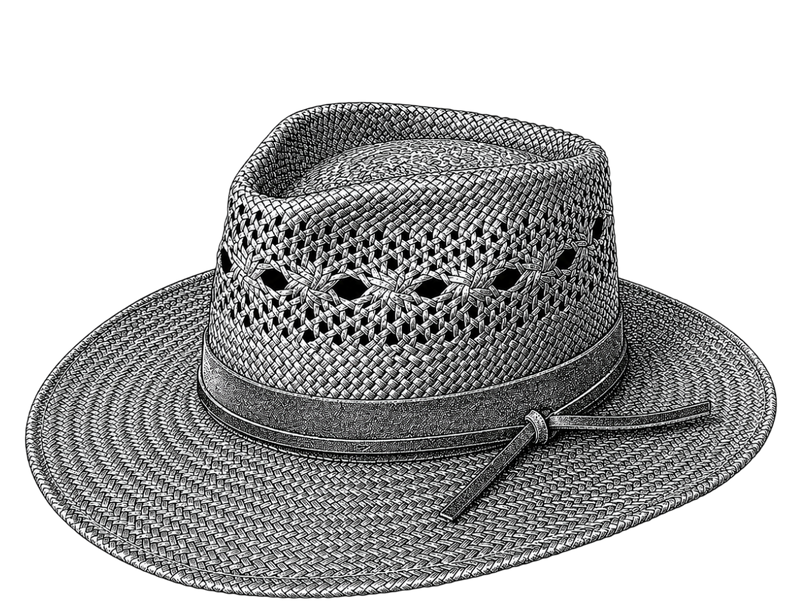
Long hair flowing below a wide-brim hat is one of the most visually impactful hat combinations for women -- the hat provides strong horizontal emphasis at the top, the hair provides vertical flow below, and the contrast between the two creates a complete silhouette. The requirements: the hat must fit correctly (not perched on top of the hair volume), the hair must be in good condition so it reads clearly rather than frizzy or undefined, and the hat must be at the correct angle (level or slightly forward, not pushed back).
The Fedora With Long Hair
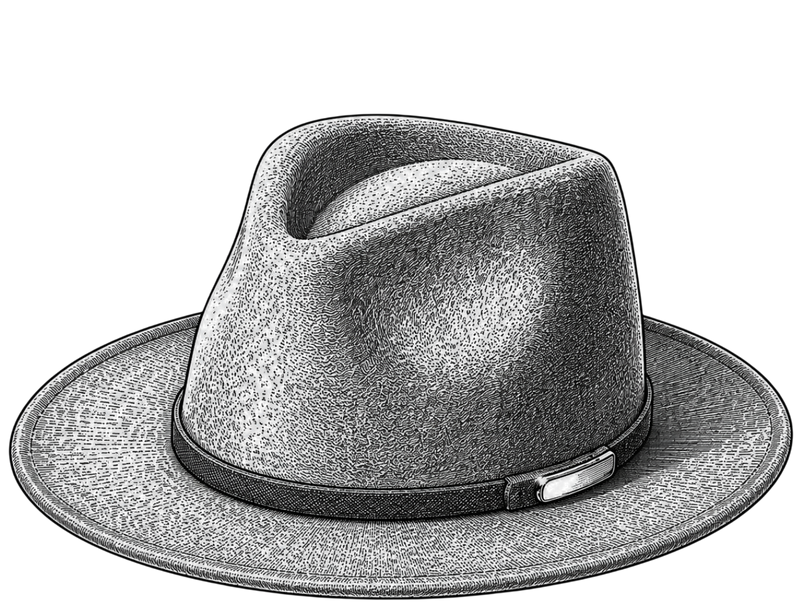
A fedora with long hair falling loose below the brim is a classic smart-casual combination. The hat should sit at the correct position (2-3 cm above the eyebrows) with the hair falling from below the hat's sweatband level. If the hair is very fine and straight, it falls cleanly; if it is curly or wavy, the volume below the hat provides a contrast with the hat's structure.
Baseball Cap With Long Hair
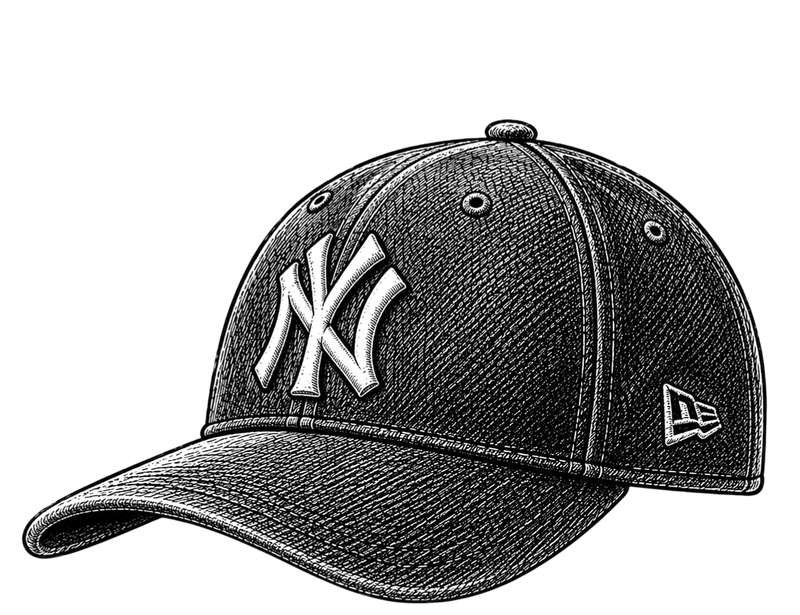
The baseball cap with a ponytail through the back adjustment opening is one of the most widely worn long-hair hat combinations -- it is the configuration for which the baseball cap's back strap was practically designed. Alternatively, the hair can fall loose below the cap. The visual difference: a ponytail through the back creates a specific casual athletic aesthetic; hair loose below the cap creates a slightly softer, less athletic look.
Beanie With Long Hair
A beanie worn over long hair creates the choice of: wearing the hair fully inside (requiring a large enough beanie), wearing the hair falling from below the beanie's lower edge, or the half-and-half where the beanie sits above a portion of hair that is pinned up. The cleanest approach is typically hair falling from below the beanie in either straight or styled waves.
Hat Hair Prevention With Long Hair
The hat hair challenge is more significant with long hair because compressed hair lengths are longer and take more time and effort to restore:
- Applying styling product before putting on the hat gives the hair some hold to maintain partial structure under compression
- Choosing smoother interior hat materials reduces friction and compression mark severity
- For structured waves or curls: a low loose braid or twists inside the hat prevents the hair from being compressed flat and creates a different pattern (the waves from the braid) when the hat comes off
Browse wide-brim and structured hats suited to long hair styling at Hatloom.

Frequently Asked Questions
What hat is most flattering with very long, straight hair?
A wide-brim hat in a straw or felt creates the most visually complete combination with very long, straight hair because the hat's horizontal emphasis contrasts with the long vertical line of the hair and the overall silhouette from hat brim to hair ends creates a clear structure. The hat should be worn forward enough that the brim casts some shadow on the forehead -- hair pushed back with a hat perching too far back on the head loses the hat's contribution to the overall silhouette.
Can you wear a hat with a high bun?
Yes, with hat selection adjusted for the bun height. A loose or flat bun works inside many hat crown depths. A very high bun requires a hat with an unusually deep crown, or the hat should be positioned to rest on the bun rather than enclose it. The second approach -- hat resting on the bun -- can look intentional (the hat perching on top of a high bun is a specific aesthetic choice) or accidental depending on how deliberately it is executed and whether the hat size and position look considered rather than struggling.
Does long hair make hats harder to wear?
No, but it makes different considerations relevant. The hat fit question is more complex with long hair because fit interacts with hair arrangement. The styling relationship between the hat's edge and the hair below it is a variable that short-haired wearers do not have. But neither of these is a reason not to wear hats -- they are factors that require slightly more thought to manage correctly, which most long-haired hat wearers develop through practice.
How do you prevent hat marks in long hair?
Hat marks in long hair come from the pressure of the hat's sweatband on the hair. Preventive measures: wearing the hair in a loose updo inside the hat so the sweatband pressure is distributed across more hair rather than concentrated in a single line; using a hat with a wider sweatband (more surface area, less concentrated pressure); or accepting hat marks as a reasonable consequence of hat wearing and restoring the hair with a quick dampening and restyling when the hat comes off.