Long hair and hats have a specific incompatibility that short hair does not face: the hat changes the hair, and the hair changes the hat. Ignore one in favor of the other and the result looks unfinished. Address both deliberately and the combination becomes one of the strongest personal style statements available to men.
This guide covers what actually works — by hair length, hair type, and hat style.
The Fundamental Problem: Volume and Fit
Long hair adds volume to the head. Depending on hair texture and styling, this volume can be significant — 1–3 cm in all directions on wavy or curly hair, even more on thick straight hair worn loose. A hat sized to a bare head will not fit correctly over loose long hair. The options are: go up a hat size, change how the hair is worn, or choose hat styles that are not size-dependent.
Practical rule: If your bare-head hat size is L, you may need XL or adjustable-fit hats when wearing hair loose beneath them. Measure your head with hair in its typical wearing state, not with hair freshly washed and flat — the measurement that matters is the one relevant to how you wear the hat.
Hair Length Tiers and What They Change
Ear-length (jaw to shoulder): The most versatile range for wearing hats. Hair can be worn down beneath the hat, tucked behind ears, or gathered loosely at the nape. Most hat styles work at this length without significant adjustment.
Shoulder to mid-back: Hair worn loose creates the most conflict with hat stability and crown shape. The hat sits above the loose hair mass and can be destabilized by movement. Hair gathered — low bun, ponytail, half-up — is more practical at this length for most hat styles.
Long (mid-back and beyond): Hair worn loose below hat level is less problematic than the shoulder-length range because the hat sits above the hair rather than in the middle of it. The visual transition from hat brim to loose long hair can work strongly if the hat style is chosen deliberately.
By Hat Style: What Works and How
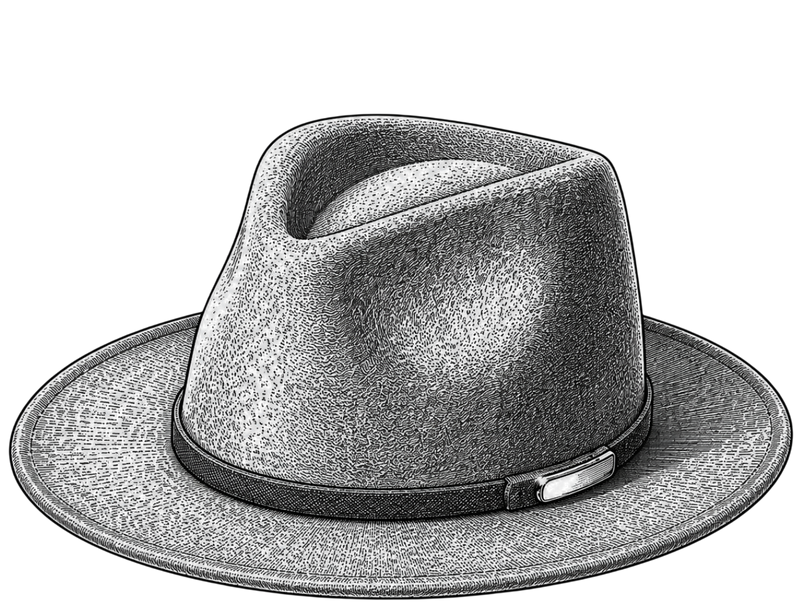
Fedora With Long Hair
The fedora is arguably the strongest hat choice for men with long hair — when the combination is approached correctly. The structured silhouette of the fedora creates a defined crown that reads as intentional above any hair length or style.
What works:
- Hair loose and down: Fedora worn level or very slightly back. Hair falls naturally below the brim. The hat frames the upper face; the hair frames the lower face and jaw. This combination works best on straight or wavy hair — very voluminous curly hair can conflict with the brim on the sides.
- Low bun or low ponytail: Fedora worn at standard position. Hair gathered neatly at the nape. Clean, deliberate, reads as considered rather than incidental.
- Half-up / half-down: Upper section gathered back or tied; lower section loose. The fedora sits on the gathered upper section, which controls volume and sizing, while the loose lower section adds visual interest below the brim.
What does not work: Very high hair — a top knot, high bun, or piled-up hair — under a structured fedora. The hat cannot sit correctly over significant crown volume. Either bring the hair down or choose a different hat.
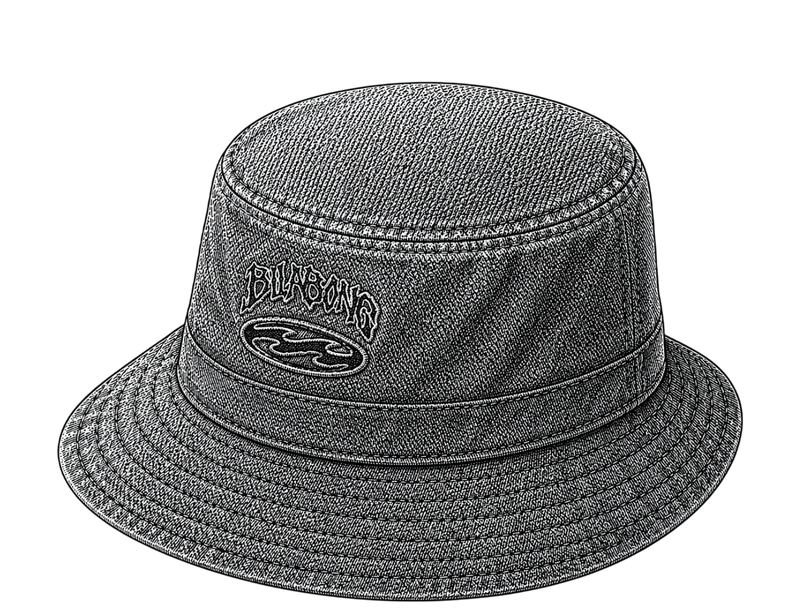
Bucket Hat With Long Hair
The bucket hat is the most forgiving hat for long hair. Its soft construction accommodates more crown volume than structured hats. Hair can be worn loose beneath it — the hat simply sits on the top of the hair mass rather than needing to fit over it precisely.
Hair worn loose below a bucket hat creates a specific aesthetic — casual, relaxed, with the hat as a soft-structured frame rather than a precise headwear choice. This works strongly in casual, outdoor, and festival contexts.
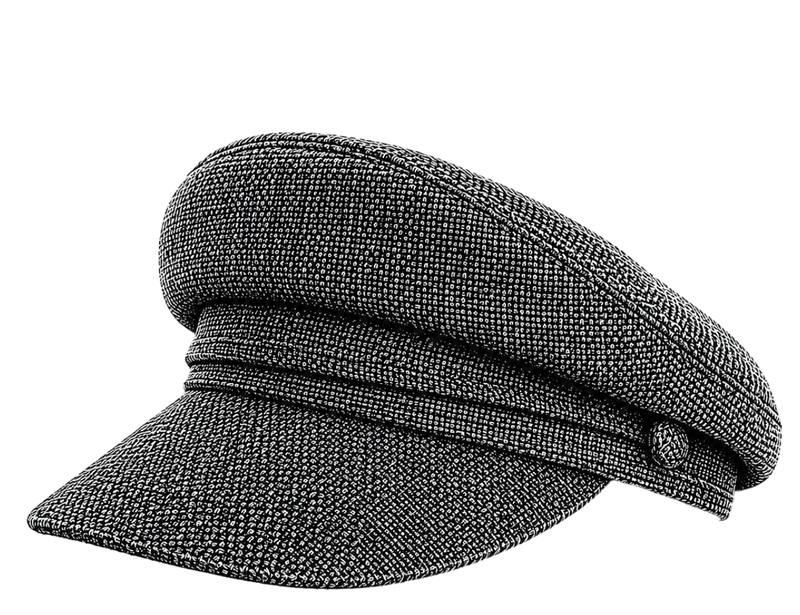
Flat Cap With Long Hair
Flat caps with long hair work best with hair gathered rather than loose. A loose ponytail or low bun at the nape is the standard combination — the flat cap sits correctly on the head and the gathered hair below provides a clear visual contrast.
Hair worn loose beneath a flat cap is trickier: the cap brim tends to interact awkwardly with hair at ear and jaw level, creating an unkempt rather than deliberate appearance. The exception is shorter long hair (ear-to-jaw length) worn loose, where the cap and hair at similar length scales work together.
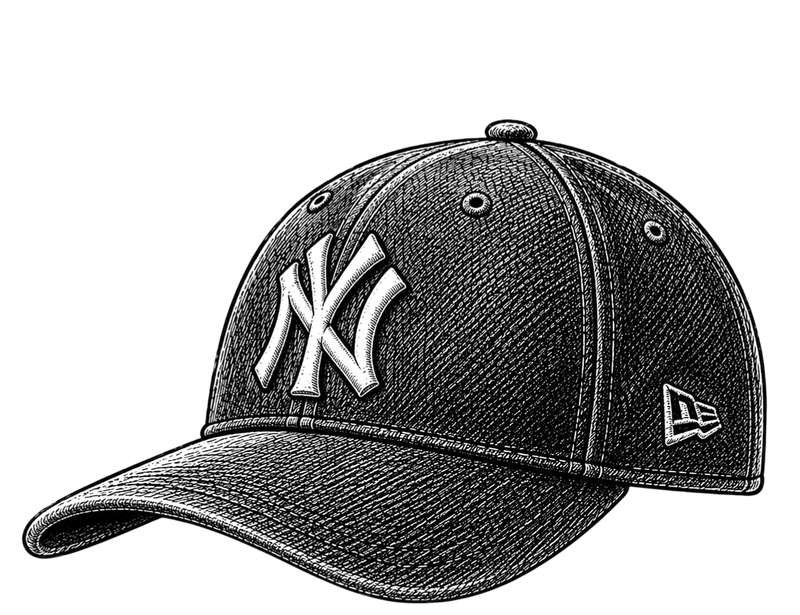
Baseball Cap With Long Hair
The most practical combination. Baseball caps are available in adjustable sizes that accommodate additional hair volume. Hair can exit through the gap at the rear of an adjustable cap in a low ponytail — this is the most common long-hair-and-cap approach and works well when executed cleanly (hair secured rather than loose through the gap).
Hair worn loose beneath a baseball cap at shoulder length or beyond creates volume conflicts at the sides and rear. The result works better when the hair is thinner and straighter; thicker or wavier hair at shoulder length beneath a cap tends to look unmanaged.
Hair Type Considerations
Straight fine hair: The most hat-compatible hair type. Minimal volume means less sizing conflict. Works with nearly any hat style and position.
Straight thick hair: Moderate volume — go up half to one hat size when wearing loose. Most hat styles work; very structured hats with precise sizing may need adjustment.
Wavy hair: Volume varies significantly depending on humidity and styling. Sizing decisions are less predictable. Adjustable or stretch-fit hats reduce this variable. Works well with most styles when hair is gathered.
Curly hair: High volume, significant sizing challenge for structured hats. Bucket hats and unstructured styles are the most practical choices for wearing hair loose. Structured hats typically require hair to be gathered to fit correctly.
Coily or very tight curl: Maximum volume. Most structured hats will not fit correctly over hair worn in its natural state. Bucket hats and very generous-fit adjustable caps are the practical choices. Hair gathered or pineapple-style under a structured hat.
Styling Approaches That Work Consistently
- Low bun + any structured hat. The most reliable combination regardless of hat style. The bun keeps crown volume controlled, the hat sits correctly, and the hair at the nape provides visual texture below.
- Loose hair + bucket hat or wide-brim sun hat. The soft construction accommodates volume. Works across hair types and lengths.
- Low ponytail through baseball cap rear gap. The most casual and practical approach. Hair exits cleanly through the cap rear rather than bunching beneath it.
- Half-up with fedora. The upper section gathered eliminates crown volume conflict; the lower section loose creates visual interest below the brim.
What to Avoid
- Forcing a structured hat over a high top knot or high bun. The hat cannot sit correctly and will perch rather than sit — it looks unstable and reads as unintentional.
- Very long loose hair tucked entirely inside a hat. This adds unpredictable volume that distorts the hat shape and is uncomfortable. Tuck hair behind ears or gather it rather than compressing it inside the crown.
- Sizing down hoping the hat will compress the hair. A hat that is too small will be pushed upward by the hair beneath it, rising throughout the day. Size to fit the hair in its wearing state, not the bare head.
Find fedoras, bucket hats, flat caps, and adjustable styles suited to long hair in the Hatloom collection.
Frequently Asked Questions
Can men with long hair wear fedoras?
Yes — the fedora is one of the strongest hat choices for long-haired men when the hair is worn loose and down or gathered in a low bun. The structured fedora silhouette creates a defined crown that works as a deliberate frame above long hair. Avoid wearing a fedora over high-gathered hair styles.
What hat size should I buy if I have long hair?
Measure your head circumference with your hair in its typical wearing state — the measurement you need is with the hair volume it will have when wearing the hat, not with hair flat. If you typically wear hair loose, measure with hair loose. Most long-haired men need to go up half to one full hat size compared to their bare-head measurement.
Do bucket hats work with long hair?
Yes — bucket hats are the most compatible structured hat style for long hair. The soft construction accommodates crown volume without requiring precise sizing, and hair worn loose below a bucket hat creates a strong casual aesthetic that works across most contexts.
How do you wear a flat cap with long hair?
The strongest approach is a low ponytail or low bun at the nape — the cap sits correctly on the controlled crown volume and the gathered hair creates a clean visual contrast below the cap. Hair worn loose beneath a flat cap works best at shorter long-hair lengths (ear to jaw) where the scales of cap and hair are compatible.
Does long hair make hats harder to style?
It adds one variable — volume and sizing — that short hair does not have. Once that variable is addressed (through correct sizing and deliberate hair gathering or positioning), long hair and hats are not harder to style than short hair. In some combinations — loose hair with a bucket hat or fedora — the long hair actively improves the aesthetic by providing textural contrast with the structured hat.