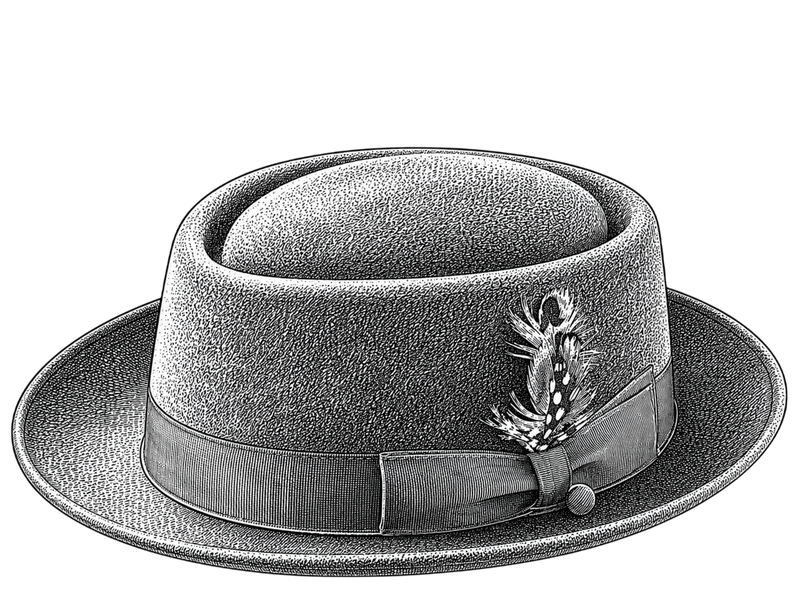
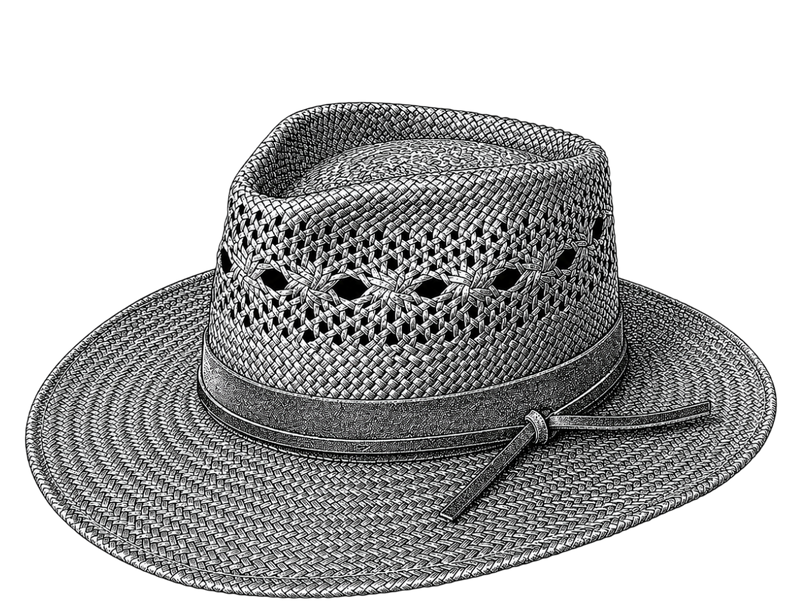
The question of hats and glasses together is rarely given serious treatment in style guides. Most coverage is either 'yes you can wear both' (which is obvious and unhelpful) or a brief mention that the brim should not press on the frames (which is the floor, not the ceiling). What actually happens when hats and glasses are worn together is a set of proportional interactions -- between brim width and frame width, between hat height and glasses shape, between hat style formality and frame style -- that determine whether the combination looks coherent or accidental.
The Core Proportional Relationship
Glasses define a horizontal element across the middle of the face. A hat's brim defines a horizontal element above the face. When both are present simultaneously, the eye registers two strong horizontal bands on or near the face, and the visual relationship between them is immediately apparent.
The key proportional rules:
- Brim width and frame width should not be dramatically mismatched. A very wide hat brim above very small, narrow glasses frames creates an imbalance where the hat dominates and the glasses seem minimal. A very narrow hat brim above very large, wide glasses frames inverts the problem. The brim width and the glasses frame width should be in a roughly similar scale range.
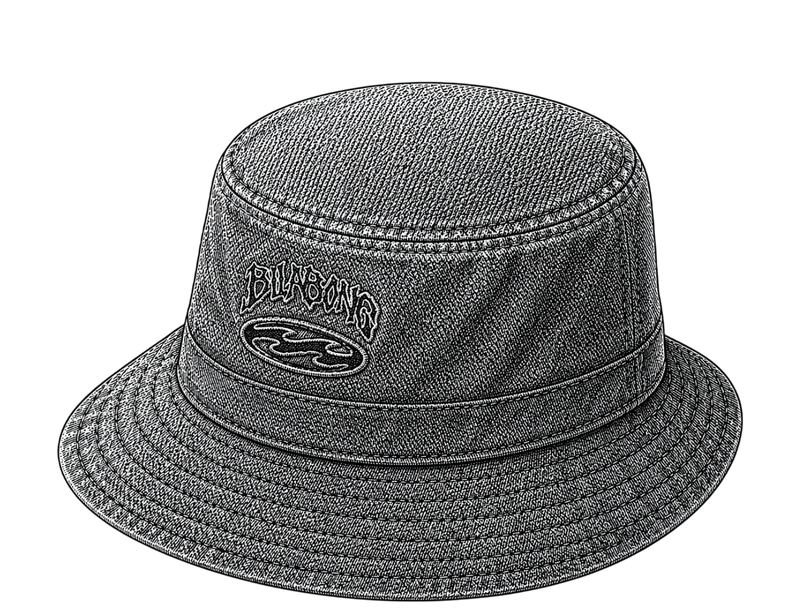
- Frame shape and hat shape can either harmonise or contrast. Round glasses with a soft, curved hat silhouette (like a bucket hat or soft fedora) create a harmonious, gentle visual. Angular glasses with a structured hat (a fedora with defined creases) creates an angular-on-angular combination. Cross-pairing (round glasses with angular hat, or angular glasses with rounded hat) creates intentional contrast.

Brim Depth and Glasses Clearance
Beyond visual proportions, the brim's physical relationship with the glasses frames is a practical consideration. A hat worn with a short brim or a brim set well above the face does not interact with glasses frames at all. A hat worn low on the forehead (standard position for most hat styles) may have the brim's underside very close to or touching the tops of tall glasses frames.
The most common issue: a wide-brim felt hat worn at the conventional position (2-3 cm above the eyebrows) has the brim's underside at approximately eyebrow level. Large, tall glasses frames whose tops reach near the eyebrow level can be touched or depressed by the brim. The solution is either to wear the hat slightly higher on the forehead (which changes the hat's intended proportion but solves the clearance issue) or to choose frames with a slightly shorter vertical height.
For most standard-sized glasses and most hats, this is not a practical issue -- the frames are clear of the brim. It becomes relevant when tall frames (rectangular glasses with significant vertical height) are worn with very wide, heavy brims (heavy felt hats that droop slightly at the front).
Style Pairings That Work Well
Fedora and Wayfarers or Rectangular Frames
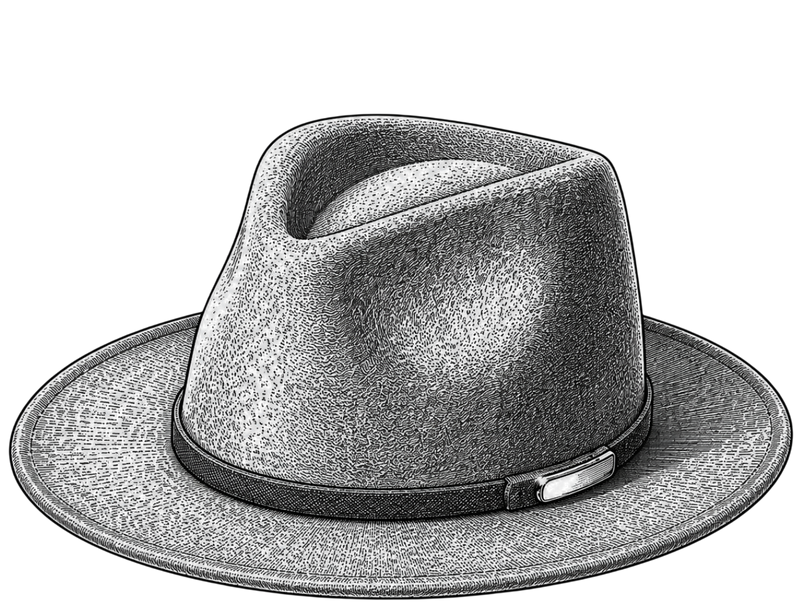
The fedora's defined, angular crown crease and horizontal brim create a combination of horizontal and angular elements. Wayfarer or rectangular glasses frames with their own defined horizontal top edge and angular corners create a harmonious repetition of angular detail. Both elements are in the structured, classic style register, which makes their combination feel considered rather than accidental.
Flat Cap and Round Glasses
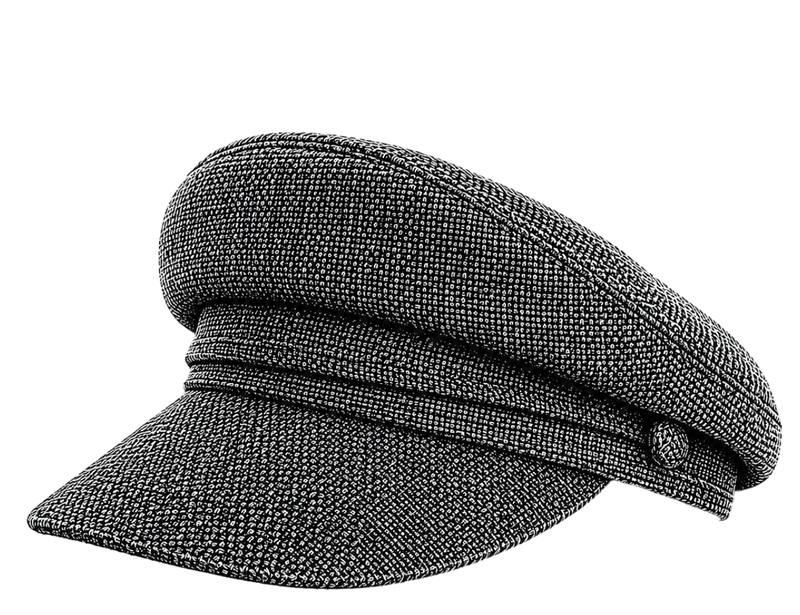
The flat cap's horizontal peak and the round glasses' curved frames create a contrast between the linear hat element and the circular frame element that many people find visually interesting. The flat cap is associated with intellectual and mid-century British aesthetics that the round glasses frame also references, creating a cultural as well as visual alignment.
Wide-Brim Sun Hat and Oversized Sunglasses
In outdoor, warm-weather contexts, a wide-brim sun hat and large-frame sunglasses can create a deliberate maximalist combination where both elements are scaled to relate to each other. Both are wide; both are horizontal; both are functional sun-protection items. The combination reads as intentional sun protection rather than style accident if the scale relationship is maintained -- oversized frames, not small frames, with the wide brim.
Beanie and Thin-Frame or Rectangular Glasses
A close-fitting beanie pushed back on the head (so the glasses are fully visible) with thin-wire or small rectangular frames creates a minimal, contemporary combination. The beanie occupies the top of the head without interacting visually with the frames at all. This is the low-interference option for glasses wearers who want a hat without thinking through the proportional relationship.

What to Avoid
- Very wide brim with very small frames: the scale mismatch makes the hat look oversized or the glasses look accidentally minimal
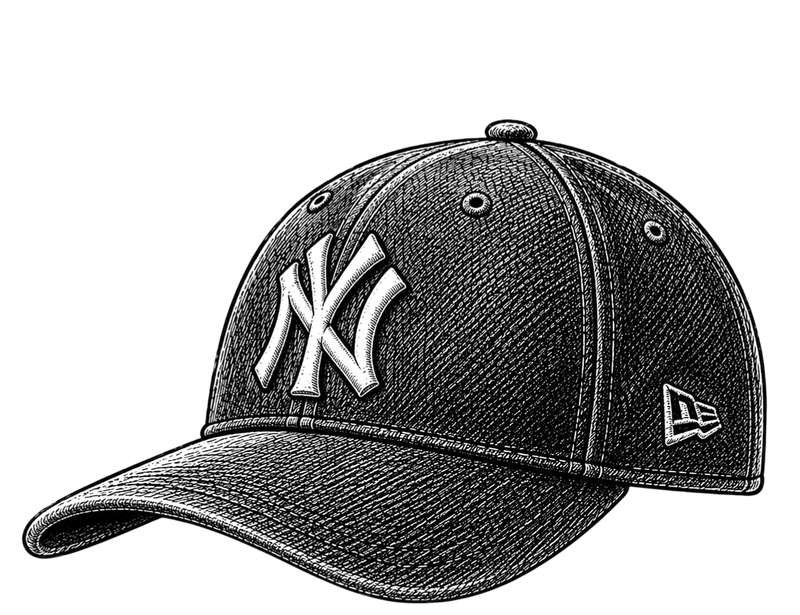
- Baseball cap visor that projects forward over the glasses: a forward-projecting visor that shades the glasses from above can make the glasses appear tucked under or hidden, depending on the angle of lighting
- Very tall hat crown above very large frames: if both the hat and the frames are large, the combined visual mass on the upper half of the face and above it can overwhelm the lower half of the face
Browse fedoras, flat caps, and sun hats at Hatloom.
Frequently Asked Questions
Can I wear a fedora with glasses?
Yes, and it is one of the more natural combinations because the fedora and most glasses styles share a classic, considered aesthetic. The main variable to watch is the proportional relationship between brim width and glasses frame width. A medium-brim fedora with medium-width glasses frames creates balanced proportions. A wide-brim fedora with very small frames (like minimalist wire circles) creates a scale contrast that may or may not be intentional depending on your style intent. For most people wearing most glasses, a standard fedora is entirely compatible with glasses wearing.
Do prescription glasses work differently with hats than sunglasses?
The proportional and physical considerations are identical. The visual weight and scale of the frames is what matters, not whether they are prescription or sun lenses. The main practical difference is that sunglasses are typically worn outdoors in bright conditions, where wide-brim hats are most commonly worn too, so the combination of wide hat and large-frame sunglasses is contextually natural. Prescription glasses are typically worn in all conditions including indoor and formal contexts where hat styles are different from outdoor contexts -- so the contextual alignment may require more thought.
Should my hat and glasses frames be in the same colour family?
Colour matching between hat and glasses is not a rule but can be a deliberate approach. Matching tones (a tortoiseshell frame with a warm brown hat, black wire frames with a black hat, clear frames with any hat) creates a cohesive visual. Contrast (dark frames with a light hat, or bold coloured frames with a neutral hat) creates a deliberate contrast-based look. The most common mistake to avoid is inadvertent near-match: a reddish-brown hat with a different reddish-brown frame that are clearly not the same tone. Deliberate match or deliberate contrast both work; accidental near-match reads as unintentional.