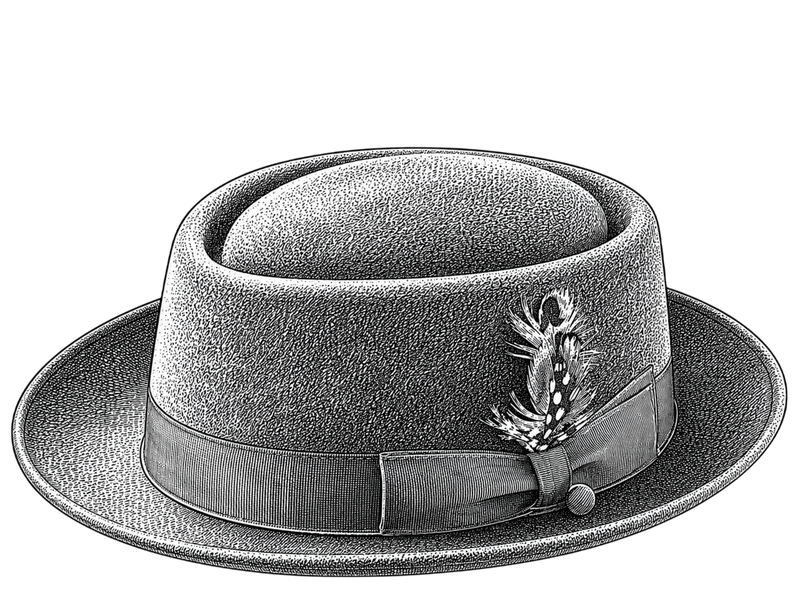
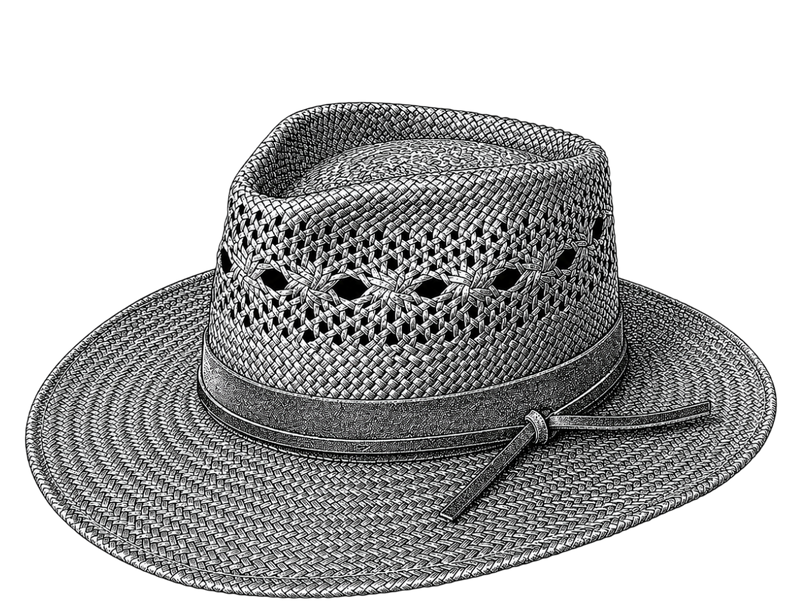
Glasses and hats compete for the same visual zone — the upper face — more directly than almost any other combination of accessories. When the combination works, the two pieces frame the face in a way that makes the wearer look more put-together than either piece alone would achieve. When it fails, both the glasses and the hat appear to fight for attention in the face area, and neither wins. The variables are limited enough that the correct combinations are identifiable and predictable.
The Core Problem With Glasses and Hats
The challenge is specifically geometric. The hat brim creates a horizontal line across the upper face (or casts a shadow there). The glasses frame creates a second set of horizontal and vertical lines at the eye level. When the brim line and the glasses frame are in close visual proximity — a fedora brim that sits just above the glasses frame, or a baseball cap pulled low — the result is two competing geometric structures within 5 cm of each other, creating visual density in the face area that draws attention to the individual elements rather than to the face itself.
The successful combination either:
- Separates the brim and glasses with clear space: The hat brim sits high enough above the glasses that the two elements are in different visual zones — the hat frames the head, the glasses frame the eyes, and there is no conflict between them.
- Coordinates the lines deliberately: The hat and glasses share a deliberate visual relationship — similar proportions, similar weight, similar tonal relationship — so they read as a coordinated combination rather than as two independent choices that happen to coexist.
Hat Styles and How They Work With Glasses
Fedora With Glasses
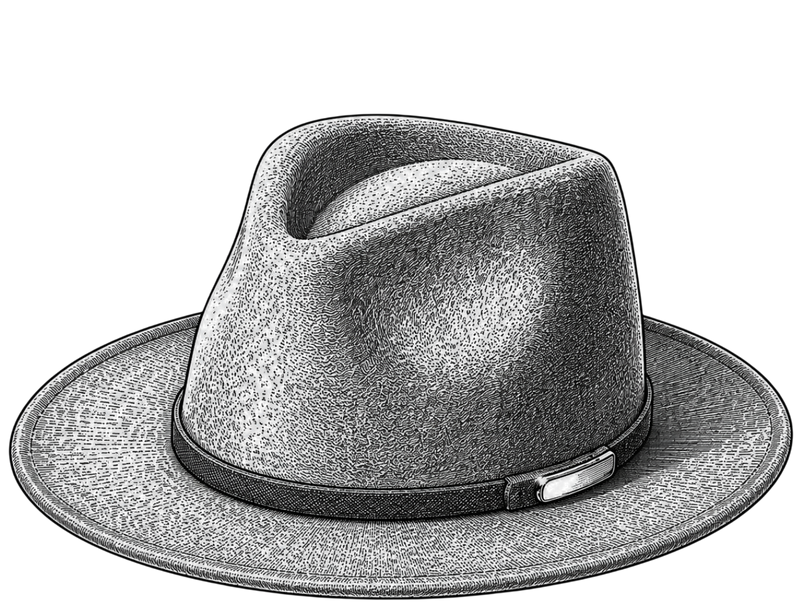
The fedora is generally the most compatible structured hat with glasses, because the brim angle can be adjusted to create the vertical separation between brim and frame that the combination requires. A fedora worn with the front brim angled slightly upward (the brim line higher over the forehead and eyes) creates clear separation between the brim shadow and the glasses frame.
The glasses frame proportions that work best with a fedora: medium-size rectangular or square frames that echo the angular geometry of the fedora silhouette. Very delicate, thin-wire frames can disappear beneath the visual weight of a substantial fedora. Very large, thick-frame glasses can compete with the hat's visual prominence in the face zone. Medium-weight frames in the 45–50 mm width range work most consistently.
Flat Cap With Glasses
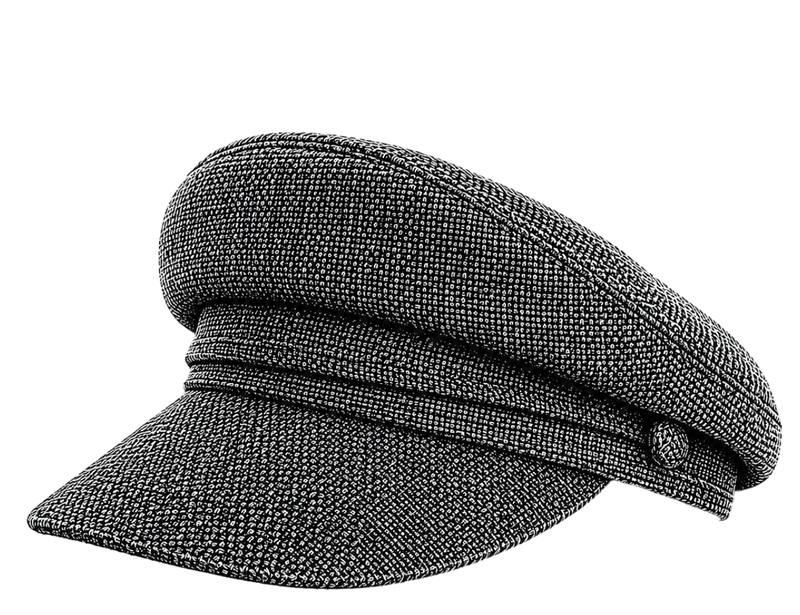
The flat cap is one of the strongest glasses-compatible hat styles because the peak (visor) extends forward rather than surrounding the head at brim height. The visual conflict between brim shadow and glasses frame that affects fedoras is significantly reduced — the flat cap peak is above and forward of the glasses rather than surrounding them at the same height.
Frame types that work well with flat caps: round and oval frames echo the cap's rounded crown shape and create a harmonious circular theme. Wire or lightweight frames tend to work better than heavy sculptural frames, as the flat cap reads as understated and a very heavy frame can overwhelm it.
Baseball Cap With Glasses
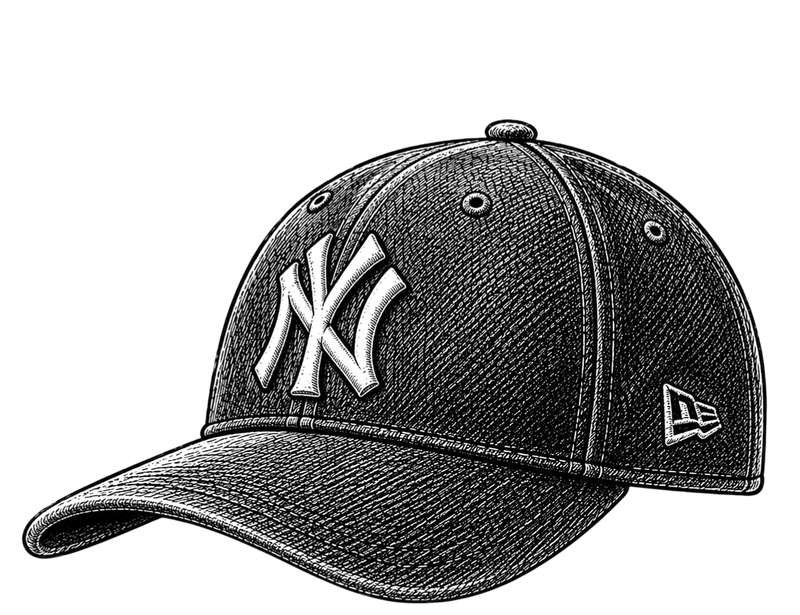
The baseball cap creates the most direct conflict with glasses because the curved visor, when worn forward, is positioned directly above the glasses frame at close visual distance. The separation issue is most acute here. Management approaches:
- Wear the cap with the visor very slightly higher above the brow — this increases the space between visor and glasses frame
- Avoid wrapping the cap low on the forehead; sit it back slightly
- Choose glasses with lighter, thinner frames to reduce the visual weight at the eye zone
Wider-arm, sportier glasses frames (the style associated with athletic wear) are more coherent with baseball caps than rectangular fashion frames — the casual register of the cap is matched by the sporty frame.
Wide-Brim Hat With Glasses
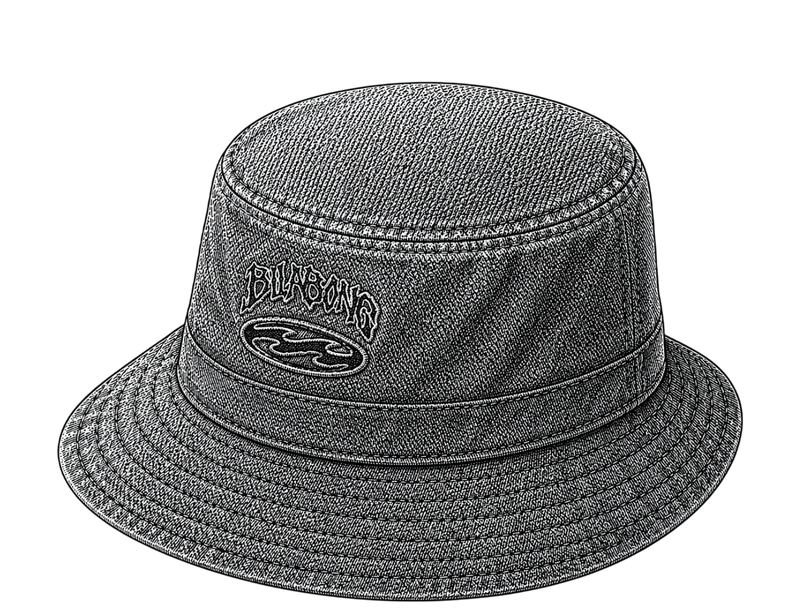
A wide-brim hat (10+ cm brim) with glasses creates the shadow problem most acutely: the deep brim shadow falls across the glasses, making the lenses appear darker and the frames harder to read from the wearer perspective. In outdoor contexts where the hat provides UV protection, this shadow on the glasses is actually beneficial — it reduces glare. For purely aesthetic purposes, a wide-brim hat works best with larger glasses frames that are visible even within the shadow, rather than small, delicate frames that the shadow absorbs.
Glasses Frame Considerations
Frame Weight and Hat Weight Should Match
The visual weight of the glasses frame and the hat should be in the same register. A substantial, heavy-set fedora paired with very delicate wire glasses creates an imbalance — the hat dominates and the glasses appear inadequate. Very bold, thick-frame glasses paired with a fine-straw Panama hat is the reverse problem. The general principle: both objects should contribute similar levels of visual prominence to the face.
Frame Shape and Hat Shape
Angular glasses frames (rectangular, square) work with angular hat silhouettes (fedora, flat cap with defined peak). Rounded frames (round, oval) work with rounded or softer hat forms (Panama hats with natural curves, soft straw hats, berets). The echo-of-shape principle does not need to be precise — it simply means that the overall geometry of glasses and hat should not actively conflict.
Frame Color and Hat Color
The hat and glasses do not need to match in color, but they should share a temperature: warm-colored hats (camel, cognac, warm brown) work best with warm-colored frames (tortoiseshell, amber, gold). Cool-colored hats (charcoal, navy, black) work with cool-colored frames (silver, black, gray). The temperature mismatch (warm hat with cool frames or vice versa) is not always visible at normal viewing distance, but it creates a subtle visual disconnection that more experienced style observers notice.
Sun Hat and Sunglasses: A Special Case
The sun hat and sunglasses combination is the most common glasses-hat pairing worldwide, worn at beaches and outdoor events by millions of people who do not typically wear hats or glasses. The rules still apply, but the sun context shifts the priorities: functional fit (does the glasses arm interfere with the hat? Does the hat brim conflict with the glasses temple?) matters as much as aesthetic coordination.
Practical consideration: some hat styles with structured brims can press against the glasses arms, creating discomfort during extended wear. Wide-arm sunglasses (sporty styles) are more susceptible to this than slim-arm fashion frames. If this is an issue, styles with flexible brims (straw, soft fabric) rather than rigid brims (sennit boater, stiff felt) are more comfortable for extended wear with large-frame sunglasses.
Find classic fedoras, flat caps, and wide-brim styles suitable for eyeglass wearers in the Hatloom collection.
Frequently Asked Questions
Can you wear glasses and a hat at the same time?
Yes, and the combination is worn by millions of people daily. The styling considerations that make it work — visual weight matching, frame and hat geometry relationship, appropriate brim-to-glasses separation — are the variables that determine whether the combination looks deliberate or accidental. The combination works; the specific pairing may or may not work without attention to these variables.
What glasses look best with a fedora?
Medium-size rectangular frames in a weight that matches the hat's visual prominence. Tortoiseshell, brown, or warm-metal frames with a camel or brown fedora. Black or silver frames with a charcoal or dark fedora. The frame should be substantial enough to be visible at social viewing distance when worn under the fedora brim — very delicate frames can disappear under a prominent fedora, creating an imbalanced appearance where the hat dominates the face entirely.
Do hats hide glasses from overhead cameras or lighting?
A wide-brim hat significantly reduces the visibility of the face (including glasses) in high-angle or overhead lighting situations — which is relevant for CCTV contexts and less relevant for most everyday style considerations. In studio or portrait photography, the shadow a hat casts across the glasses is a common issue that photographers manage by adjusting the brim angle or the light position. For everyday wear this is not a practical concern.
Should the hat and glasses be bought together for coordination?
Not necessarily — buying the hat first and finding glasses that coordinate is the more common and equally valid approach. The key is applying the coordination principles (weight matching, temperature matching, geometry compatibility) consciously rather than relying on both being selected in a single session. Many experienced hat and glasses wearers maintain several pairs of frames and choose among them based on which hat they are wearing, rather than buying paired sets.
What type of hat works best for people with large glasses?
Large glasses frames already contribute significant visual weight to the face. A hat that competes with this will create a busy, crowded-face appearance. The best choices for large glasses: hats with relatively simple, clean lines and moderate proportions (a classic fedora without elaborate decoration, a clean flat cap) rather than hats with elaborate brims, decorative bands, or other visual elements that add further complexity to the face-and-head zone. The hat should frame the head without adding competing detail to an already prominent glasses-face combination.