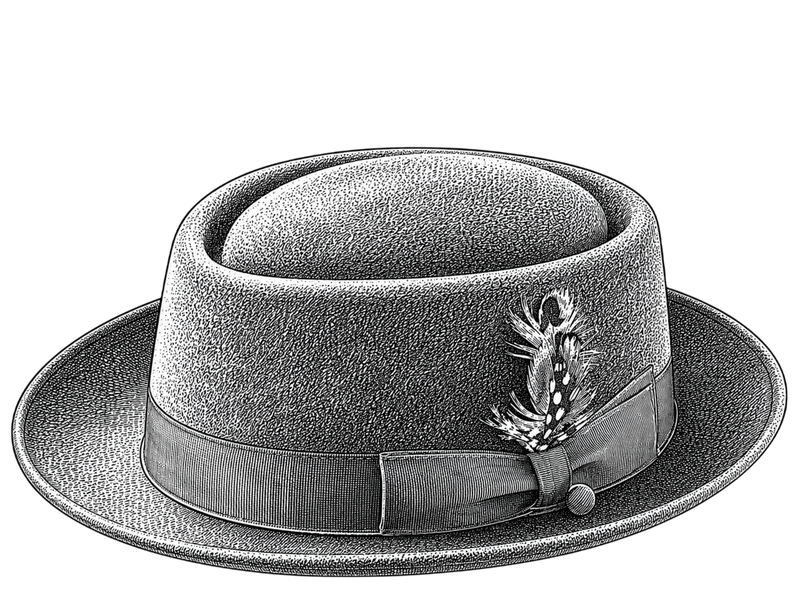
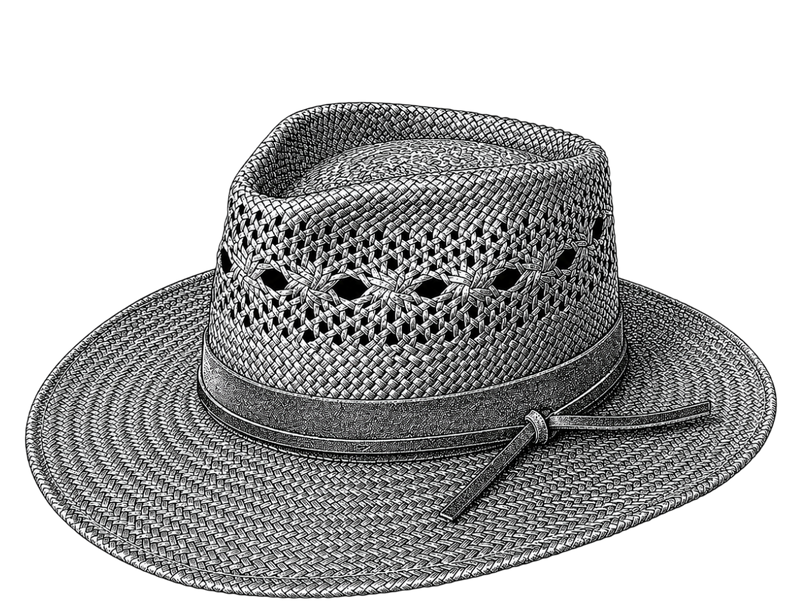
Bangs and hats interact at precisely the most visible point of any outfit -- the forehead and brow line. The hat placement that works for someone without bangs can flatten, distort, or push bangs in unintended directions on someone with them. Adjusting for bangs is not complicated, but it requires understanding exactly what the adjustment is and why.
The Core Problem: Standard Hat Placement With Bangs
The conventional hat placement guideline -- front edge 2-3 cm above the eyebrows -- assumes the forehead is clear. With bangs, placing the hat front edge at the conventional position either:
- Covers and flattens the bangs against the forehead, removing their styling effect entirely
- Pushes the bangs downward, compressing them against the forehead and bending them at the hat's edge, which creates an awkward crease in the bangs when the hat is removed
- Creates an awkward visible section where the bangs emerge from beneath the hat edge, neither fully in nor fully out

Adjusting Hat Placement for Bangs
The adjustment depends on what you want the bangs to do:
Option 1: Wear the Hat Over the Bangs
Place the hat so the front edge sits on the hairline or slightly into the bang area, covering all or most of the bangs beneath the hat. This works when:
- The bangs are thin or wispy enough that the hat sits on them without creating a visible bump or distortion in the hat's silhouette
- The hat is deep-crowned enough to accommodate the bang volume inside without being lifted off the head
- You are comfortable with the look of no visible bangs (this creates a clean, pulled-back face-framing effect even though the hair is actually present inside the hat)
Option 2: Wear the Hat Behind the Bangs
Place the hat further back on the head, so the bangs remain fully visible in front of the hat's edge. The hat sits at or behind the hairline rather than at the eyebrow line. This works when:
- The hat style suits a more backward position (beanies, cloches worn pushed back, some wide-brim hats worn at the back of the head)
- The look of hat-behind-bangs is intentional and the proportion works for the face
- The bang length and style creates a complete face-framing effect on its own, and the hat provides additional interest at the top rather than framing the face
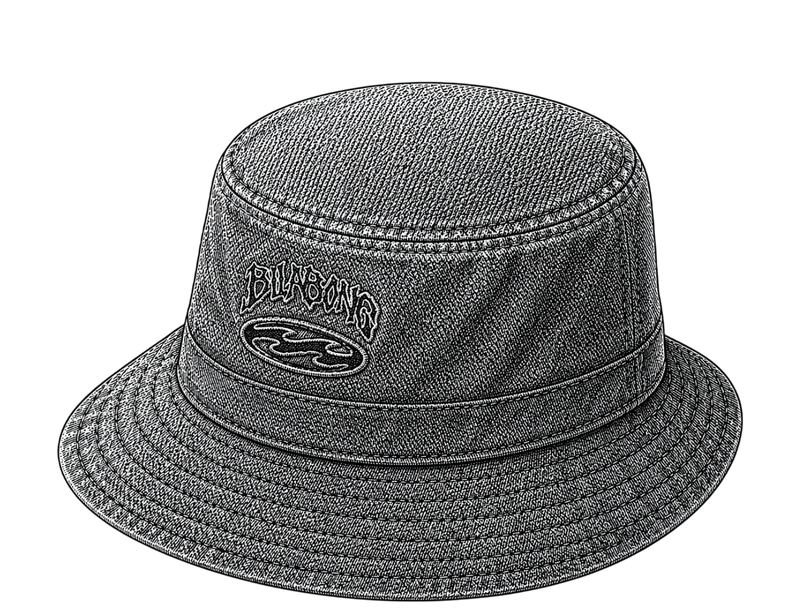
The limitation: some hat styles lose their proportional logic when worn too far back. A fedora pushed very far back on the head loses its proportional relationship with the face. This placement works better for hats that are designed to sit further back (cloches, berets, some bucket hats).
Option 3: Side-Swept or Pinned Bangs
For full blunt bangs that are neither suitable to be hidden inside the hat nor left fully visible with the hat pushed back, sweeping or pinning the bangs to one side before putting on the hat creates a modified starting position. The bangs can then fall naturally to the side when the hat is put on at the conventional position.
Which Hat Styles Work Best With Bangs
Wide-Brim Hats
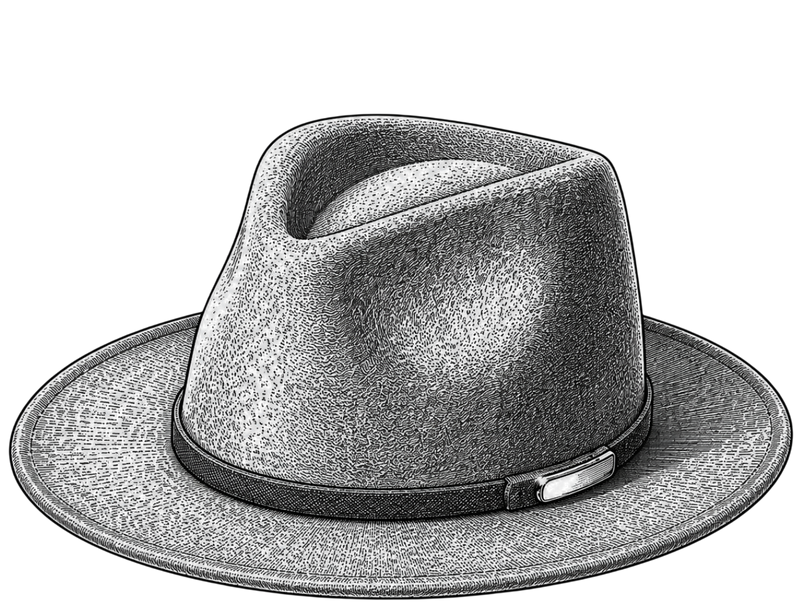
Wide-brim hats worn at the conventional placement position with bangs below the brim create one of the most aesthetically complete bang-and-hat combinations. The brim shadows the forehead from above; the bangs frame the upper face below the brim's edge. The combination works particularly well when the bangs are cut level and the hat brim is also level -- the two horizontal lines (brim and bangs) create a visual harmony rather than competing.
Berets
A beret can be worn in front of the bangs (the beret edge meets the start of the bangs) or behind them (bangs visible, beret further back). Both work; the front placement creates a complete soft framing of the face by the beret's edge and the bangs below it; the back placement leaves the full forehead and bangs visible with the beret as a top interest element.
Baseball Caps
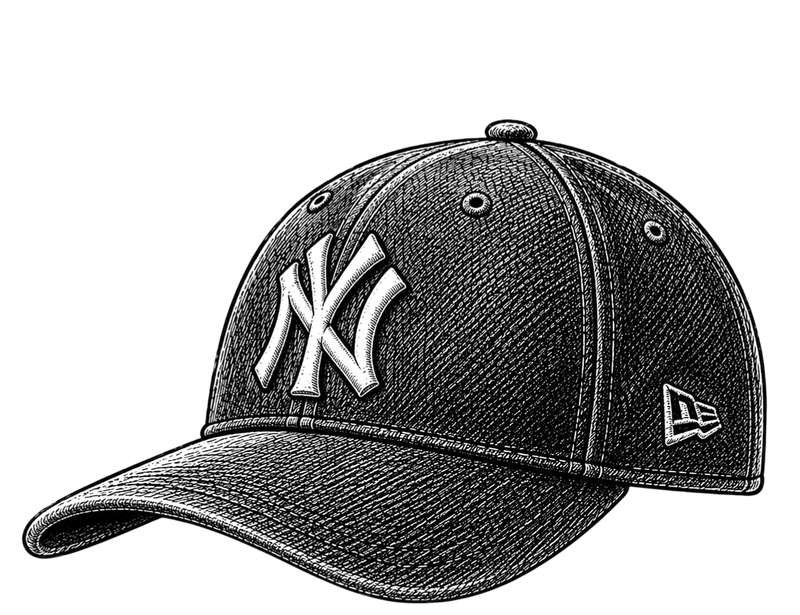
A baseball cap with full bangs: either the bangs emerge below the cap's edge (which works when the bangs are long enough that the cap-to-bang transition is not at an awkward length), or the cap is placed so the brim is at the hairline and the bangs are fully underneath. Many people with bangs instinctively push the cap backward to let the bangs show, which can look intentional (relaxed, casual) or unintentional depending on how far back the cap goes.
Maintaining Bangs Under a Hat
Bangs that have been styled lose their shape under a hat faster than most other hair sections because the hat's front edge applies pressure at the bang's widest, most structured point. To minimise disruption:
- Apply a small amount of light hold product (mousse, light gel) to bangs before hat wearing -- this gives bangs enough structure to return to their position when the hat comes off
- Choose hats with soft or fabric interior edges rather than rigid sweatband edges at the bang contact point -- less concentrated pressure at a single line
- Carry a small comb or brush for quick re-styling after the hat comes off
Browse hats suited to styling with bangs at Hatloom.

Frequently Asked Questions
Do hats ruin bangs?
Hats flatten bangs at the contact point for the duration they are worn. Whether the bangs are ruined depends on how quickly they recover and what restoration effort is required. Thick, blunt bangs cut with a strong line take longer to recover than thin, wispy bangs. Light product application before wearing significantly reduces recovery time. With thin or wispy bangs, the recovery after hat removal is often minimal -- a quick finger-brush restores them. With heavy, full bangs, a brief restyle (damp fingers, light product, a comb) may be needed.
Which hat has the least effect on bangs?
A hat whose front edge does not contact the bangs at all -- a hat worn behind the bangs entirely -- has no effect on them during wear. Among hats worn at conventional placement, a wide-brim hat with a flexible brim edge has less concentrated pressure on bangs than a hat with a rigid structured edge (like a baseball cap bill). A soft fabric hat with no rigid front structure (a soft bucket hat, a jersey knit cap) applies less discrete pressure than a structured cap.
Can you wear curtain bangs with a hat?
Curtain bangs (parted in the centre with the two sides swept outward) work well with hats because the centre part allows the hat to sit naturally on the head without the bangs being pushed in conflicting directions. The hat can be placed so the centre part is visible below the hat's front edge, with the curtain bang portions falling to either side of the face. Wide-brim hats, berets, and fedoras work particularly well with curtain bangs in this configuration.
What about hats and long side-swept bangs?
Long side-swept bangs (bangs cut long enough to tuck behind the ear) are the most flexible bang type for hat wearing because they can be swept back or to the side before the hat is placed, eliminating the bang-hat contact issue at the forehead. The hat goes on over hair that has been moved to the side, and the bangs fall back into their swept position naturally when the hat is removed with minimal styling restoration needed.